



OEM Apps Still Lacking
Consumers say they miss some desired features while finding others impractical.

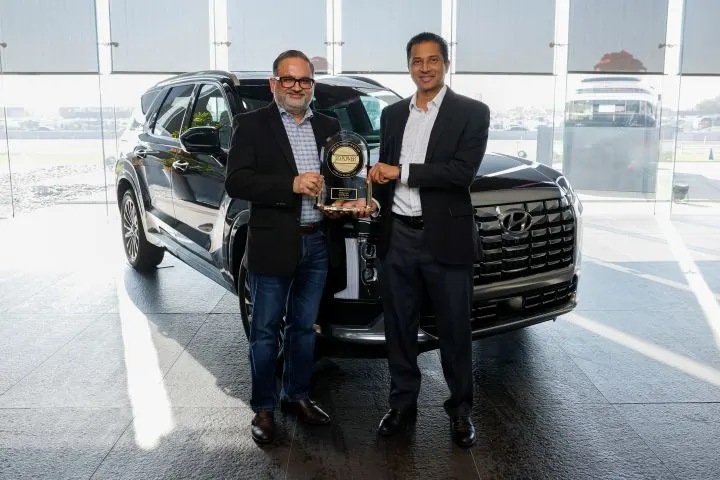
Hyundai Motor North America’s Manish Mehrotra, vice president, digital business planning and connected operations, and Vijay Rao, director, connected operations and owner apps/websites, celebrate winning J.D. Power's 2024 U.S. OEM ICE App trophy.
Hyundai
Many U.S. auto consumers value the potential of their vehicle manufacturer mobile applications, but the apps often fail to meet their expectations, according a recent survey.
The findings point to needed improvements, since 77% of survey respondents said they use an automaker’s app at least occasionally.
The autumn J.D. Power poll of gas-powered vehicle owners found that many of them experience automaker apps as unreliable and slow. Some also see no value in some app features while wanting features the apps don’t include.
App connectivity and response time particularly frustrated many consumers. Almost a third of survey respondents – 32% – said their apps’ connectivity had failed, up from 29% a year earlier. And 61% found apps’ response time slow at various degrees of frequency.
“Automakers have made improvements in app features, improved response times and fixed connectivity gaps but, to improve customer satisfaction, they need to deliver core features that perform reliably,” said J.D. Power Mobile Apps Lead Violet Allmandinger in a press release.
Among app features consumers long for are security features, such as vehicle camera views and security warnings – 83% of respondents said they want such capabilities. Many consumers could do without others, including vehicle marketplaces. Of the consumers who stopped using their vehicle apps, 25% blamed lack of desired features.
Hyundai's MyHyundai with Bluelink app is the top-ranked mass-market OEM app in this year's survey, scoring an impressive 895 on a 1,000-point scale, followed by Kia Access at 843 and MyNissan at 770. Genesis Intelligent Assistant is tops among premium brands at 874, Mercedes at 821, and My BMW at 815.
More Digital
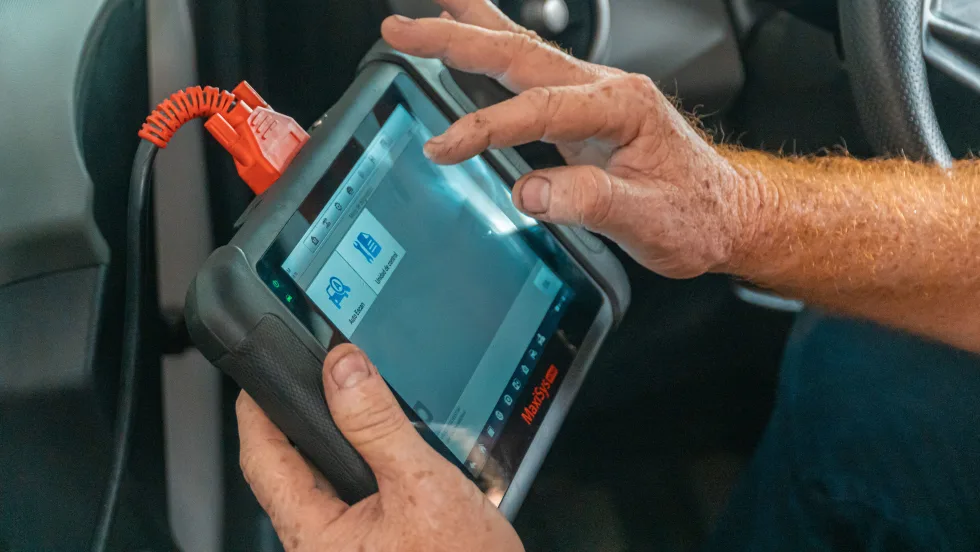
Fixed-Ops Automation Can Help Dealerships Stand Out
Technology turns everyday service repairs into lasting customer loyalty and dealer profitability.

AI and the Auto Dealer
These are risks you can’t ignore as the technology becomes more and more of a presence in the auto retail environment.

Data Drives Success
Dealerships that make decisions based on data rather than gut instinct or experience have a leg up on their competitors, according to a recent survey.

AI: Facilitator, Not Fixer, in F&I
The dealerships that thrive in the years ahead will be those that embrace technology while continuing to invest in the people who make customer interactions count.

Simple But Effective Hacking Surges
Data from the past year at U.S. auto dealerships finds that email and identity phishing are growing threat sources that can dispense with malware by exploiting trust.
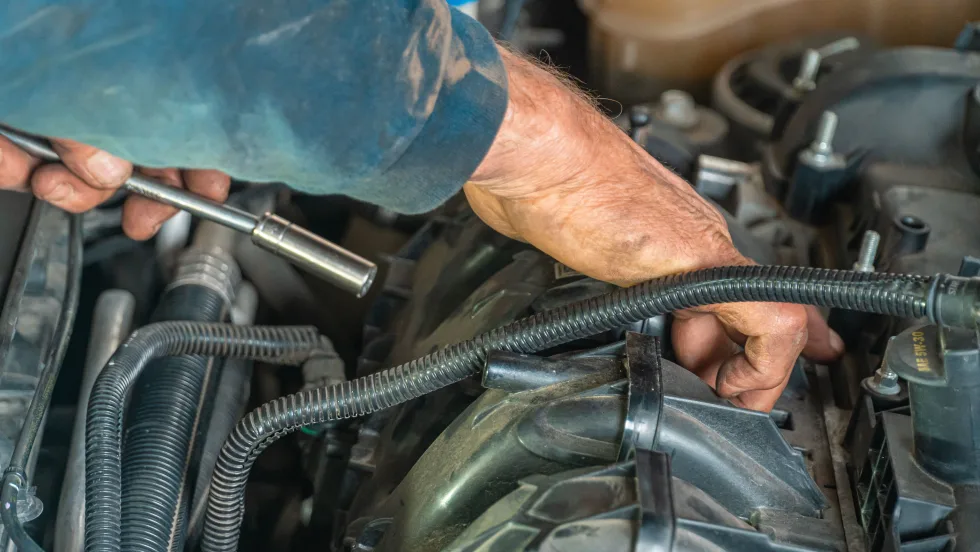
The Future of Car Dealerships
Artificial intelligence is reshaping the service-drive experience and will help retailers stay competitive.

Structure Leads to Optimized Auto Listings
As the average car-buying journey has shifted to a blend of digital and retail, a dealership’s vehicle listings must be optimized to answer shoppers’ questions clearly and accurately.

Real Intelligence
AI, though it presents many opportunities for productivity, efficiency and more, isn’t a one-for-one stand-in for people. It can augment human capital but not replace it altogether.

Zurich Launches Advisor IQ for F&I Manager Coaching
The new platform uses real transaction data and artificial intelligence-driven insights to help car dealerships improve consistency and performance.
F&I in the Digital Age
Digital retailing has not made the F&I manager obsolete. If anything, it has revealed how valuable the role can become when technology is used correctly.