


PIN: Employee Discounts Drive Consumers Away from Captive Financing
WESTLAKE VILLAGE, Calif. -- The employee discount programs being offered by the Big Three are moving some consumers away from financing through the manufacturers' captive financing arms, according to the Power Information Network (PIN).
WESTLAKE VILLAGE, Calif. -- The employee discount programs being offered by the Big Three are moving some consumers away from financing through the manufacturers' captive financing arms, according to the Power Information Network (PIN).
PIN finds that the percentage of consumers using the Big Three's captive financing services has dropped 13 percentage points — from 56 percent to 43 percent for new-vehicle finance and lease contracts since the companies began offering employee discounts to all consumers. Ford Credit and GMAC are down 27 percent, while Chrysler Financial is down 17 percent. During the same period, the captive financing arms of Toyota, Nissan and Honda have experienced a 0.6 percent decline in captive penetration.
"There are three primary reasons for these declines," said Tom Libby, senior director of industry analysis at the Power Information Network. "Banks, independents and credit unions were more aggressive, leasing was down and bonus cash incentives for captive financing have declined."
PIN finds that banks have decreased their buy rates by 18 to 29 basis points on their GM, Chrysler and Ford loans, while GMAC and Chrysler Financial both saw their buy rates increase by more than 50 points. Ford Credit's buy rates declined 7 points, compared to a 27-point decline among banks financing new Ford vehicles.
"Captives dominate the automotive leasing business and their programs tend to be more competitive than other lessors," Libby said. "Captive lease competitiveness comes from the residual support that their manufacturers provide. These current incentives do not encourage consumers to lease. This has forced the captives to get a greater percent of their business from loans."
Lease penetration rates at Ford Credit are down 16 percent, while GMAC leases are down 14 percent and Chrysler Financial 2 percent.
"In the past, GM, Chrysler, and Ford have used incentives that encouraged consumers to finance through their captives," Libby said. "These incentives have been on the decline over the past six months and have been minimal since the employee discount incentive programs were launched. Without these incentives, captives are clearly less competitive."
The average amount financed through captives by consumers using the employee discount programs from the captives is $25,373 — nearly $1,300 more than the average amount financed prior to the employee discount incentives. The average monthly payment has also increased from $468 to $489. In addition, the average financing term has expanded from 59 months to 61 months.
"A two-month increase in financing terms may seem insignificant," Libby said. "But when you consider the number of vehicles being sold and the average monthly payment of $489, it raises the consumer's obligation by $2,200 over the life of the loan."
More F&I

Integrating Nontraditional F&I Products
The niche presents a strategic advantage for auto dealerships as they move to adapt to fast-changing consumer expectations in today’s market.
Read More →
Trust Is Personal
Technology, no matter how efficient, can’t replace what the human F&I manager can do, which is to bridge the divide between cyberspace and the in-store experience.
Read More →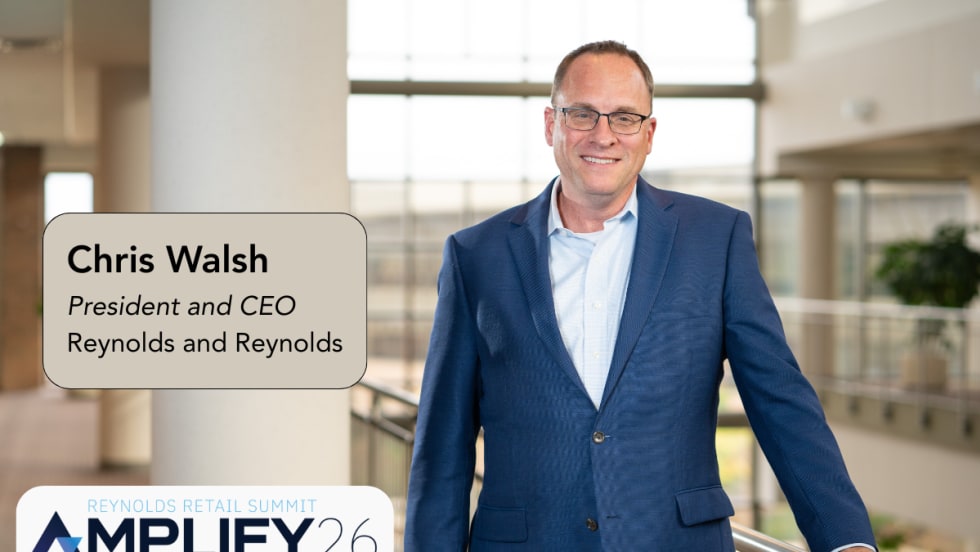
Amplify 2026 Billed as Turning Innovation Into Results
Reynolds and Reynolds says its annual retail summit will connect dealers with practical strategies, peer insight, and technology-driven ideas.
Read More →
Own Your Outcome: F&I in the Digital Customer Journey
Finance has historically been the last step in the car-buying process, but it doesn’t have to be. The customer’s journey starts long before they arrive at the dealership, and so should F&I’s involvement.
Read More →
Tariffs Could Raise Insurance Premiums
As U.S. import tariffs affect repair costs, consumers might find it more affordable to replace a damaged vehicle, according to recent Insurify tariff analysis.
Read More →
Smaller Loans, Longer Terms
The youngest generation of car buyers is more likely to finance less expensive vehicles, more than half of generation Z consumers borrowing less than $25,000.
Read More →
New Lifetime Battery F&I Product Meant to Drive Dealer Traffic
EFG Cos. offering is intended to create lifetime auto dealer engagement with customers.
Read More →
The Psychology Behind Menus That Increase Add-On Sales
There is a science to crafting a menu that gives customers confidence in the choices presented, and moving the process outside the F&I office can further boost results.
Read More →
Why Your F&I PVR Is Misleading You
Here’s a handy checklist of the numbers to track in 2026 instead.
Read More →
Auto Consumer Anxiety Presents Opportunity
A survey of U.S. drivers found the majority are concerned about finances and the economy, but those fears make many ready to buy vehicle-protection products.
Read More →