




New Lifetime Battery F&I Product Meant to Drive Dealer Traffic
Rare Earths Independence
Automakers seek alternatives to sourcing battery raw materials in volatile markets roiled by trade wars and disrupted supply chains.
September 21, 2026
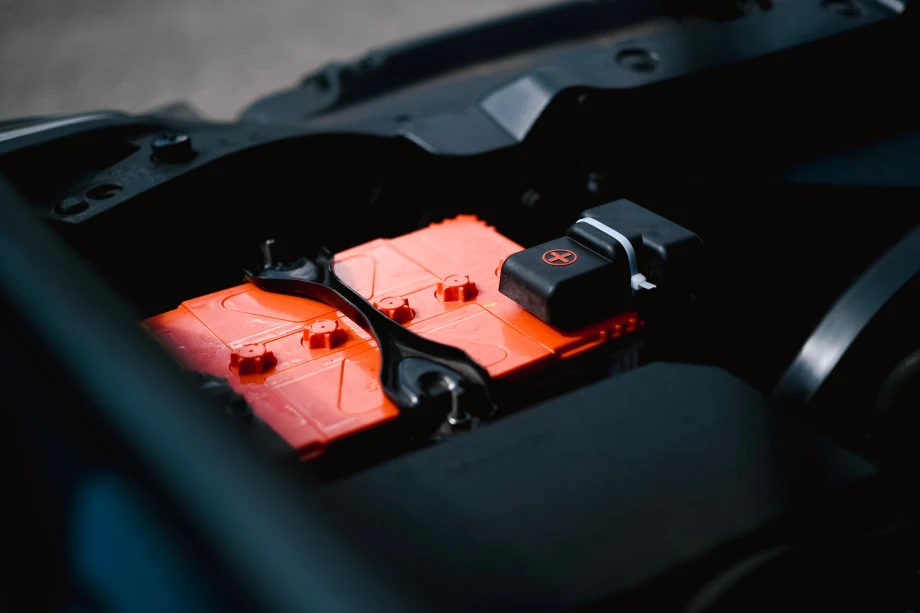
Some automakers are finding ways to compensate for the expensive and sometimes unpredictable rare earths market.
Credit:
Pexels/Ayyeee Ayyeee
2 min to read
Two automakers recently forged end arounds to the challenge of sourcing rare-earth materials for batteries and other manufacturing needs.
The commodities have become much sought-after by automakers and harder to come by. China has a corner on the market and last year curbed rare-earths exports in answer to U.S. tariffs.
Some automakers are finding ways to compensate. Porsche has partnered with multiple companies to recycle battery materials to make battery cells from entirely reused substances rather than raw rare earths by using a water-based process at plants in its home country.
The materials include lithium, nickel, cobalt and manganese and put Porsche on the road to what’s known as closed-loop battery manufacturing that would free the automaker from dependence on outside sources.
The German company said it’s testing the product of the pilot program in “real-world conditions” with the aim of new battery cell production starting in 2028.
“This innovation is a key step in advancing both circular economy principles and raw material resilience, always with the ambition of optimizing progress, quality and resource efficiency,” said Joachim Scharnagl, a member of Porsche’s Executive Board for Procurement.
Meanwhile, Honda has invested in a U.S.-based magnet maker that manufactures its product without rare earths.
The investment of an undisclosed amount in Niron Magnetics goes toward “[commercializing] the world’s first rare-earth-free iron nitride permanent magnets,” said Honda through its Honda Xcelerator Ventures innovation concern.
Honda Director, Executive Officer Mahito Shikama said most electric propulsion motors use permanent magnets made from rare earth metals. “Niron Magnetics is addressing these challenges, and Honda has high hopes for its potential,” he said.
The Niron magnet technology could be applied in automotive and other industries, Honda said.
“Rare-earth-free permanent magnets represent an important opportunity for the future of electrified mobility by helping reduce dependence on constrained global supply chains while supporting long-term performance, cost stability, and sustainability goals,” the Japanese automaker said.
Topics:Industry
More Industry

Nissan Names Vice Chairman
David Johnson will oversee operations across Canada, the U.S., Mexico and South America.
Audi Launches Subsidiary
The German automaker announced a new business model focused on recycling and reusing vehicles and parts and strengthening its supply chain.
Philly Family Sells Stores
The Hills are exiting the automotive retail market after serving the Philadelphia area for more than 30 years.

Automakers Must Switch Routes to Compete With China
An analysis of the ascendant players’ increasing market share and how they got there advises Western OEMs to follow a similar playbook to protect their businesses.

Managing Expectations
Learn how proactive communication, setting clear expectations, and providing solutions when plans change can strengthen customer trust and improve the overall service experience.
Hawkeye State Dealerships Trade Hands
One auto group and a single store sell as part of a recent deluge of U.S. buy-sell transactions making 2026 a hot M&A year.
Mainstay Georgia Auto Group Sells
Acquisition by Group 1 extends its presence in the U.S. luxury retail market with the addition of the 10-store stable.
New Auto Group Enters the Market
The Iowa transaction involved a Chevrolet GMC Chrysler Dodge Jeep Ram rooftop.
Connection Drives Consideration
Convenience and safety are top priorities for American drivers when it comes to connected vehicles and the services they expect with their next car.

New-Vehicle Prices Stay Put
Affordability pressures and model availability shaped new-vehicle sales in September, according to an analysis by Kelley Blue Book.