



Will Extended-Range Autos Make Inroads?
EREVs, also known as ‘series hybrids,’ may catch on in the U.S., where they currently have barely a toehold, as automakers tilt away from some purely electric models and consumers crave more range.

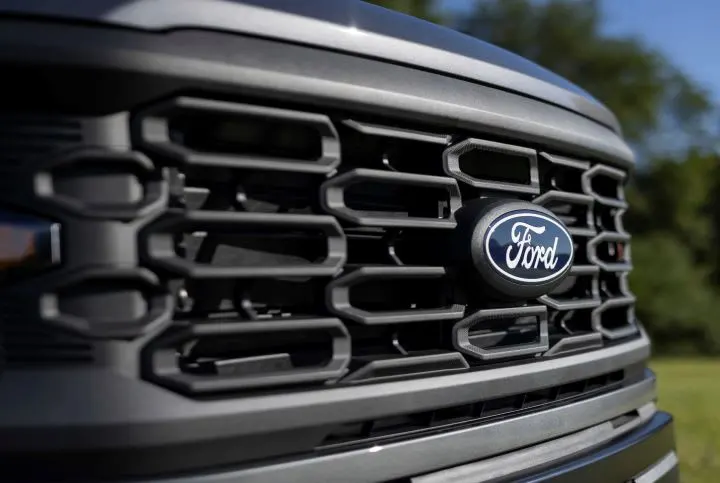
Ford nixed its all-electric F-150 Lightning pickup with plans to make the next generation an EREV.
Ford
Extended-range vehicles, though they’ve made barely a ripple in the U.S., or in Europe, for that matter, may be poised for growth in the important auto markets.
The power train has both a battery pack and typically an internal combustion engine. Its engine powers the battery, which in turn powers the vehicle. The combined range is therefore greater since it can recharge the battery on the road.
EREVs, as they’re commonly called in the industry – other variations include REEV and BEVx – have made significant inroads in China, where automakers have introduced more than 40 such models since 2020, said Benchmark Mineral Intelligence, a London-based EV supply chain data provider.
EREVs now make up 12% of China’s EV market, while they don’t represent even half a percentage point each of U.S. and European EV sales, according to Benchmark, which sees REEVs standing to gain traction in the two markets, in the U.S. due to the greater freedom they afford drivers.
“The powertrain will enable consumers to have a choice within electrified model line-ups without the same range of constraints as an all-electric alternative” Benchmark said in a recent report on the EREV power train. “This makes it well-suited to a US market that has witnessed several major BEV investment pull-backs by OEMs in recent years.”
Many U.S. automakers have rewritten their EV production plans since the U.S. government eliminated consumer tax credits for EV purchases and leases in October while greatly loosening auto emissions standards.
Ford, for instance, nixed its all-electric F-150 Lightning pickup with plans to make the next Lightning generation an EREV. It hasn’t yet announced launch timing. Stellantis is following suit with the Ram, and Volkswagen sister brand Scout said it will make the same power train pivot with the Terra truck and Traveler SUV.
“BEV development in the US has so far focused on large SUVs and pickup trucks. However, striking the balance between range and vehicle price, given the use of expensive and large high-nickel battery packs, has been a challenge,” Benchmark said.
“Amid weaker incentives for both consumers and vehicle manufacturers to electrify, the launch of REEVs in the US market provides greater flexibility to consumers. It provides them with an electrified option that better suits their range requirements.”
The question in the U.S. and Europe is whether EREVs sold in the two markets will be priced to fit consumers’ budgets. Benchmark said China has achieved that parity, though it’s of course playing on a different field.
More Showroom
New-Vehicle Prices Stay Put
Affordability pressures and model availability shaped new-vehicle sales in September, according to an analysis by Kelley Blue Book.
Read More →
EV Buyer Consideration Shifts
What drives American consumers to purchase an electric vehicle is shifting as the question moves away from Should I?' to 'Which features and experience do I want to have?'
Read More →
Year-to-Date Auto Sales Holding Their Own
A forecast through August shows that automakers have shifted strategies to keep deliveries and revenues up despite tariffs and other economic challenges.
Read More →
Slow to Robo
Ten years of polling consumers shows autonomous vehicles’ profiles have risen considerably, but even more people now want at least some level of control if they go that route.
Read More →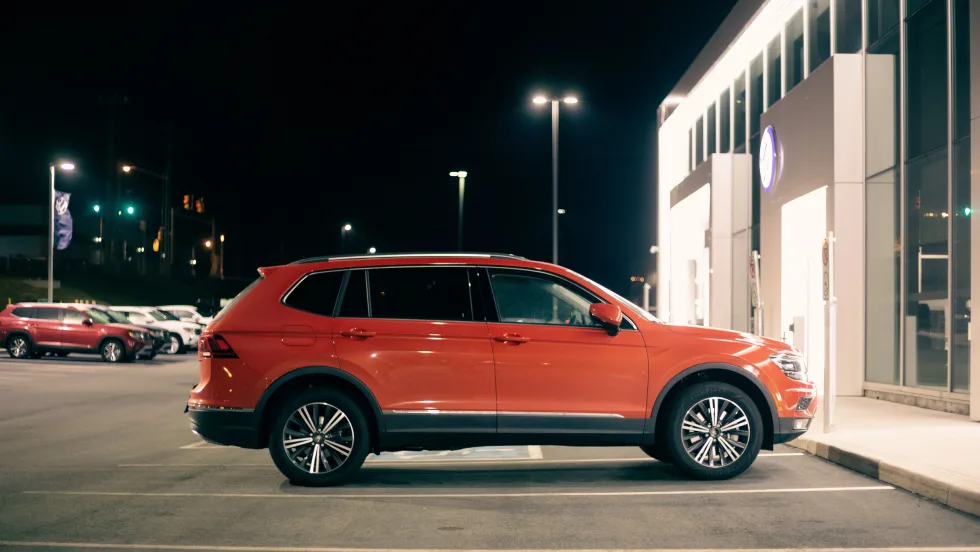
Dealers a Little Down
A third-quarter Cox Automotive survey finds them in a mixed mood, bummed by fallen customer traffic but encouraged by better profits, costs and EV interest.
Read More →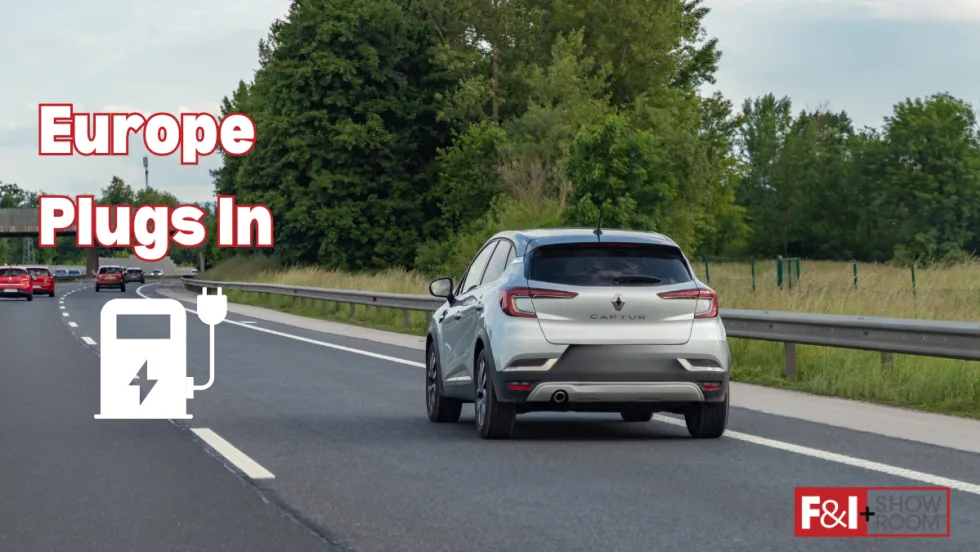
European EV Sales Skyrocket
The EV market on the continent held strong in July with almost 25% of new-car sales being fully electric units, a stark contrast to the U.S., where EV sales declined about 42%.
Read More →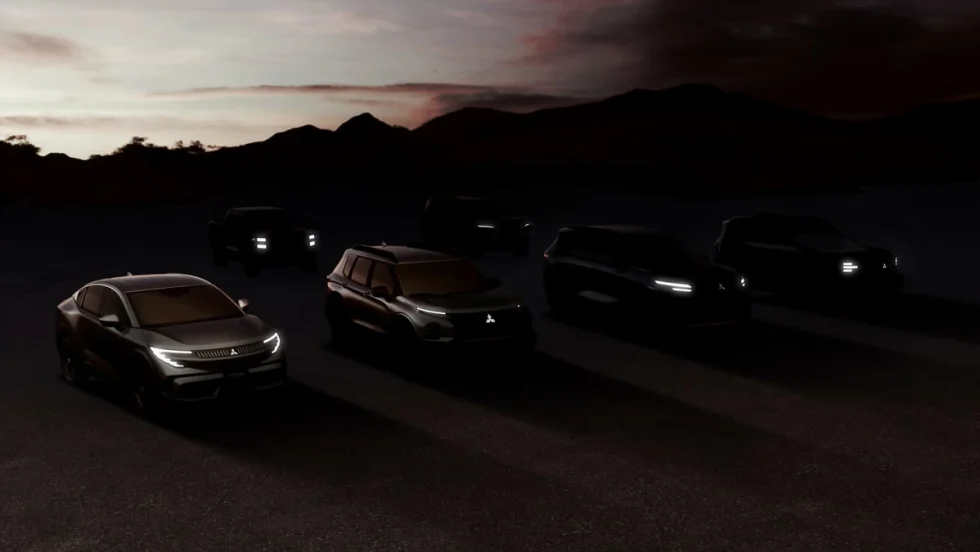
Mitsubishi Unveils U.S. Plan
The automaker announced a strategy that includes an expanded lineup and dealership presence, along with more ‘rugged’ and electric models.
Read More →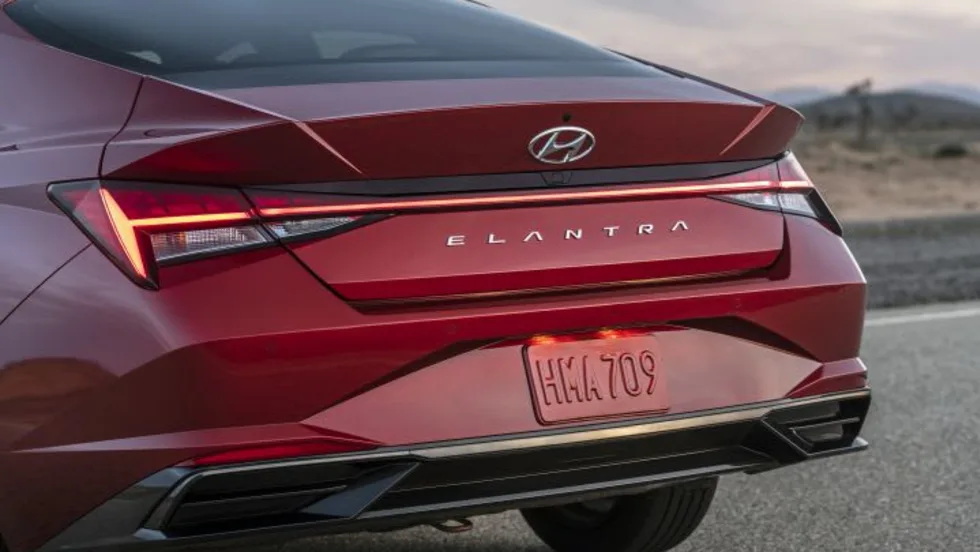
Used Lots Getting the Business
Many consumers are seeking out the units to save money, and the demand – higher in July than normal – is keeping supply limited and prices up.
Read More →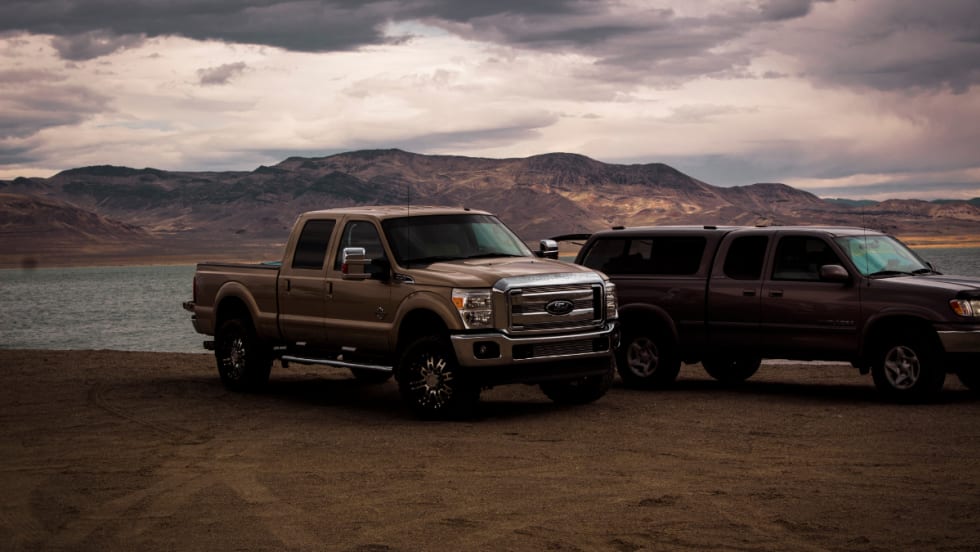
Used Market Stabilizes
The Carfax Used Car Index noted a major drop in used-vehicle price increases in July after several months of hikes.
Read More →
California Hybrids Reach State Record
The Golden State still leads the country in electric-vehicle registrations, but much like the rest of the U.S. its hybrid market share is up while full electrics stabilize after a dramatic first-quarter dip.
Read More →