



Regulators Appear to Endorse Alternative Credit Scoring
A joint statement from the nation’s biggest banking regulators expressed cautious optimism toward emerging decisioning models that could generate more auto loans.

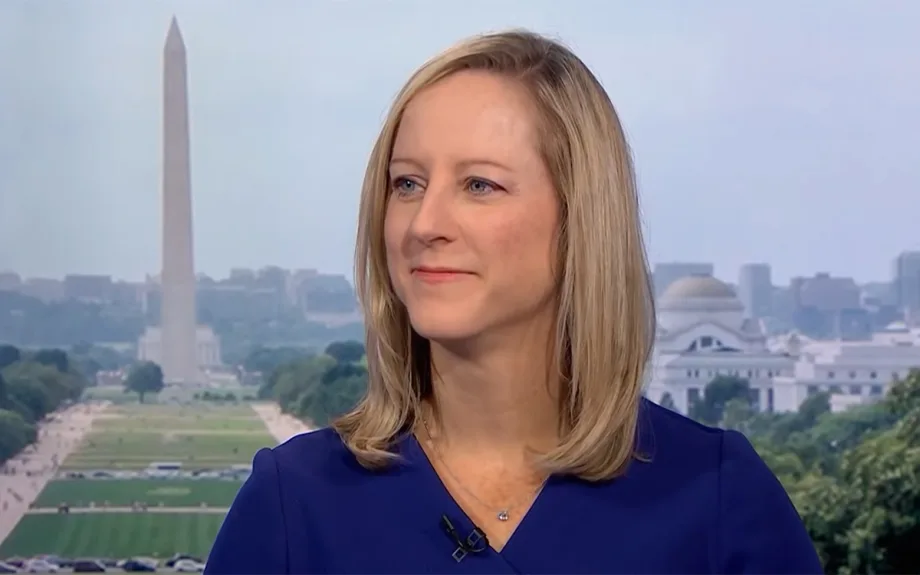
Kathy Kraninger is director of the Consumer Financial Protection Bureau, which joined four other federal banking regulators in offering a largely positive opinion of alternative credit data in a joint statement this week.
WASHINGTON — The Consumer Financial Protection Bureau and four other federal regulatory agencies released a joint statement offering tempered support for the use of alternative data in credit decisioning processes, including applications for auto loans.
Alternative credit data focuses less on credit history and more on cash flow, measuring activity relating to “nonfinancial” information such as bill and rental payments and bank account balance history. The use of alternative data in “second look” platforms for applicants who fail to qualify under traditional scoring models has grown over the past decade as creditors have sought new ways to reach more borrowers.
Read: Auto Loans and Leases Up 1% in Q3
The CFPB was joined as a signatory by the Board of Governors of the Federal Reserve System, the Federal Deposit Insurance Corp., the Office of the Comptroller of the Currency, and the National Credit Union Administration.
“Using alternative data may enable consumers to obtain additional products and/or more favorable pricing/terms based on enhanced assessments of repayment capacity,” the statement reads, in part. “These innovations reflect the continuing evolution of automated underwriting and credit score modeling, offering the potential to lower the cost of credit and increase access to credit.”
The alternative model generated 27% more approvals and reduced annual percentage rates by an average of 16%.
The statement follows the August release of a CFPB-commissioned study, undertaken in partnership with Upstart Network, an alternative scoring technology provider, that set out to compare decisioning results from traditional and alternative models.
Analysts found the alternative model generated 27% more approvals and reduced annual percentage rates by an average of 16%; no bias toward any race, ethnicity, or gender was detected.
However, “As with prior developments in the evolution of credit underwriting, including the advent of credit scoring, the use of alternative data and analytical methods also raises questions regarding how to effectively leverage new technological developments that are consistent with applicable consumer protection laws,” the regulators noted, listing unfair, deceptive, or abusive acts or practices standards and the Fair Credit Reporting Act as examples.
More Auto Finance

Interest Rates Further Squeeze Auto Consumers
Last month’s hike and a potential second increase this month add to a growing list of inflation woes that could continue to dent overall car sales.
Read More →
Mind Your Process
Consistent steps taken in various aspects of the F&I office can make valuable differences over time, similar to an outline for a best-selling book.
Read More →
Top Five Credit Application Fraud Flags
Compliance audits regularly reveal bad habits that can lead to fraud charges and should have been stamped out decades ago.
Read More →
More Auto Loans for the Taking in August
Riskier categories were on the uptick for the month as lenders loosened access in several areas while balancing out the exposure in another, Cox Automotive reported.
Read More →
July Was Hot for Auto Borrowers
Credit proved readily available for many, but most loans left buyers in negative territory, Cox Automotive said.
Read More →
Dealer Lender Preferences Revealed
When lenders provide consistent, fast service, their overall satisfaction scores with dealers greatly improve, according to JD Power research.
Read More →
Auto Refi Savings Surge
Consumers with 84-month auto loan terms who refinanced saved the most on monthly payments, according to a new report by auto refinancing provider Caribou.
Read More →
Subaru Enters Lending Business
The automaker follows other brands in adding captive financing in the U.S., and says the move will strengthen its position here.
Read More →
Positive Equity Reaches Record High
Mainstream vehicle owners who bought a car seven years ago are likely to have positive equity when trading in for a new vehicle, according to second-quarter Edmunds data.
Read More →
Dealerships Are Paying the Price for Extended Car Loans
Growing negative-equity scenarios mean such lengthy terms should be addressed in a forward-looking way to make them work for the dealer and the consumer down the road.
Read More →