



EV Collision Claims Spike
Third-quarter battery electric vehicle insurance claims were up 4% year-over-year. A new report says EV claims cost the most due to complex technology and limited after-market parts supply.

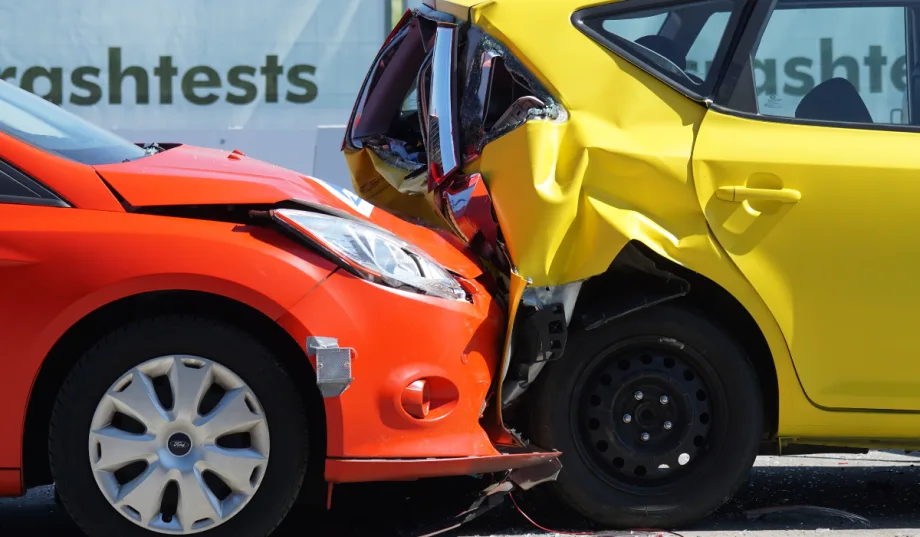
The high cost of repairs and higher purchase prices could undermine EV sales, according to Insurify.
Canva
Battery-electric vehicle insurance claims rose 4% year-over-year in the third quarter, according to insurance comparison shopping website Insurify, citing data by the Mitchell company.
A report by the collision repair information and technology firm indicates that over 3% of all U.S. collision claims in the quarter were repairable BEV damage. BEV collision claims cost the most due to complex technology and a limited supply of after-market parts, according to the report. Original equipment manufacturer parts accounted for about 85% of the parts costs for repairs in the quarter.
Insurify data shows that EVs cost 49% more to insure than gas-powered vehicles, something consumers should take into account when shopping for a new vehicle.
“EV drivers and buyers need to think about repair costs and insurance premiums. More EVs are getting repaired under collision claims, which means EVs are costing insurers more to cover,” Insurify data journalist Matt Brannon said.
The high costs of repairs and higher purchase prices of EVs could undermine EV sales, Insurify said. In an earlier Insurify driver survey, 45% of EV owners said they wouldn’t have bought their EVs without the federal tax credit that expired last fall, and over 30% said they wouldn’t be able to buy an EV at full price now without the incentive.
BEV sales spiked 36% year-over-year in the third quarter, according to Insurify, which said that during that time EV owners filed more claims for repairable collision damage than ever.
“Some drivers have the misconception that EVs get totaled more often than internal combustion vehicles,” Brannon said. “But the latest available data indicates their loss rates are about the same. For EVs, it’s 7.35%, and it’s 7.47% for comparable gas-powered vehicles.”
More F&I

AI: Facilitator, Not Fixer, in F&I
The dealerships that thrive in the years ahead will be those that embrace technology while continuing to invest in the people who make customer interactions count.
Read More →
Modern Technology Objection Handling
In this video, Trent White shares how to confidently handle technology-based objections by helping customers understand the value of protection, even with modern vehicle technology.
Read More →
Consistency at Scale: Driving F&I Performance
With 75 rooftops across the Sunshine State, Morgan Auto Group has proven to Floridians that it knows a thing or two about driving performance in a competitive market. But it didn’t start at the top.
Read More →
Gitty Up on GAP
The foundational finance-and-insurance product hasn’t kept up with the latest conditions for auto dealers. Is the time ripe?
Read More →
How AI-Powered Coaching Is Transforming F&I Performance
See how AI-powered coaching can turn F&I customer conversations into actionable insights that support compliance, performance and profitability
Read More →
Sell Value, Build Trust
In this video, Trent White explains why selling on value, not fear, builds lasting customer trust, reduces cancellations, and drives long-term success.
Read More →
F&I Sales Give Dealers First-Half Lift
Product business shored up total profits to avoid an overall revenue tanking as product penetrations held steady, StoneEagle reported.
Read More →
Targeted Training Drives Results
Today’s technology, instead of threatening F&I managers, can actually make them better, according to an industry veteran who’s watched market setbacks roil the unprepared.
Read More →
Double the Change, Double the Chance
When an F&I manager gets a customer refusal, it’s a wise move to tweak more than one thing in the product offering.
Read More →
Just Do It
F&I managers need training, but instead of resisting application or expecting perfection, they should improve by simply acting on what they learn.
Read More →