



Report Claims Honda's Loan Markups Are Higher for Blacks
A report by Mark Cohen, a professor at Vanderbilt University, claims that black car buyers consistently paid more in auto loan markups than white customers when financing through American Honda Finance Corp. His findings are based on studying 383,652 Honda Finance contracts from June 1999 to April 2003.
A report by Mark Cohen, a professor at Vanderbilt University, claims that black car buyers consistently paid more in auto loan markups than white customers when financing through American Honda Finance Corp. His findings are based on studying 383,652 Honda Finance contracts from June 1999 to April 2003.
Cohen has been hired as an expert witness by plaintiffs' lawyers in a class-action suit against Honda Finance and several other captive finance companies. He conducted similar studies of General Motors Acceptance Corp., Nissan Motor Acceptance Corp. and Ford Motor Credit Co.
Cohen said the study controlled for factors such as loan term, vehicle type and borrowers' creditworthiness.
Although the dealers set the customers' loan rates, the report said Honda Finance's markup cap policy "aggravates the disparity and especially disadvantages those who can least afford it." It lets dealers charge a 2 percent maximum markup to most customers but a 3.5 percent maximum markup to new-car buyers in the lowest credit tier.
"There appears to be no business justification for this differential markup policy," said Cohen.
According to the report, 43.3 percent of black borrowers are charged a markup, compared to 22.2 percent of white borrowers. It also claimed black borrowers paid more than twice as much as white borrowers in subjective markups -- $557 versus $227.
Honda said in a statement that it doesn't tolerate discrimination by its dealers against customers or credit applicants.
More F&I

Integrating Nontraditional F&I Products
The niche presents a strategic advantage for auto dealerships as they move to adapt to fast-changing consumer expectations in today’s market.
Read More →
Trust Is Personal
Technology, no matter how efficient, can’t replace what the human F&I manager can do, which is to bridge the divide between cyberspace and the in-store experience.
Read More →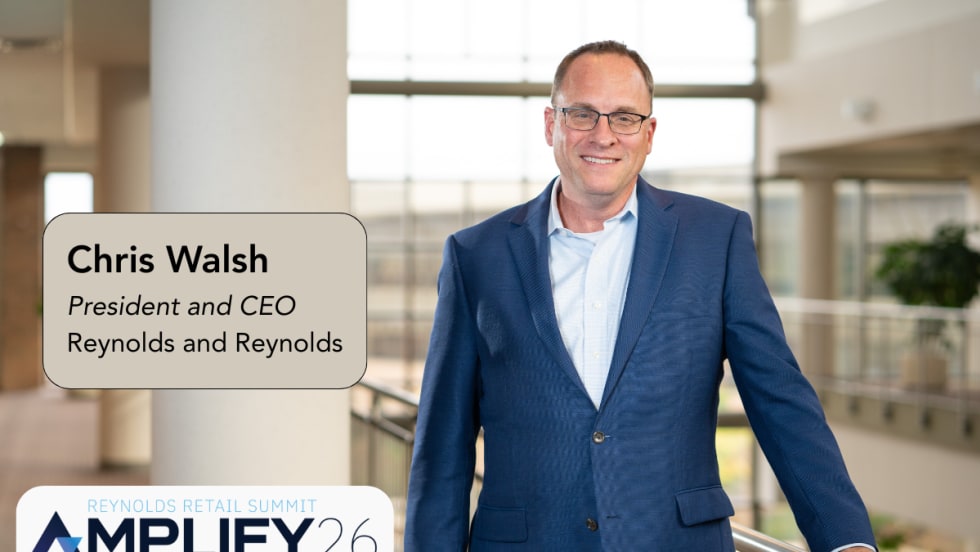
Amplify 2026 Billed as Turning Innovation Into Results
Reynolds and Reynolds says its annual retail summit will connect dealers with practical strategies, peer insight, and technology-driven ideas.
Read More →
Own Your Outcome: F&I in the Digital Customer Journey
Finance has historically been the last step in the car-buying process, but it doesn’t have to be. The customer’s journey starts long before they arrive at the dealership, and so should F&I’s involvement.
Read More →
Tariffs Could Raise Insurance Premiums
As U.S. import tariffs affect repair costs, consumers might find it more affordable to replace a damaged vehicle, according to recent Insurify tariff analysis.
Read More →
Smaller Loans, Longer Terms
The youngest generation of car buyers is more likely to finance less expensive vehicles, more than half of generation Z consumers borrowing less than $25,000.
Read More →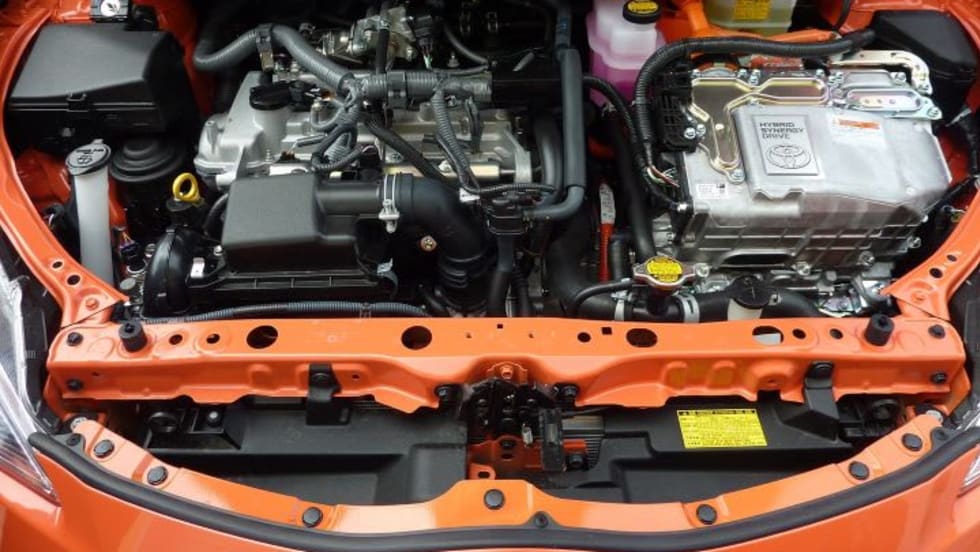
New Lifetime Battery F&I Product Meant to Drive Dealer Traffic
EFG Cos. offering is intended to create lifetime auto dealer engagement with customers.
Read More →
The Psychology Behind Menus That Increase Add-On Sales
There is a science to crafting a menu that gives customers confidence in the choices presented, and moving the process outside the F&I office can further boost results.
Read More →
Why Your F&I PVR Is Misleading You
Here’s a handy checklist of the numbers to track in 2026 instead.
Read More →
Auto Consumer Anxiety Presents Opportunity
A survey of U.S. drivers found the majority are concerned about finances and the economy, but those fears make many ready to buy vehicle-protection products.
Read More →