



Study: Blacks Pay Higher Auto Loan Rates
Blacks have been charged higher auto loan rates than other auto buyers, federal research says. But the gap in loan rates could narrow, and possibly disappear, as the result of recently concluded lawsuits.
WASHINGTON — Blacks have been charged higher auto loan rates than other auto buyers, federal research says. But the gap in loan rates could narrow, and possibly disappear, as the result of recently concluded lawsuits.
Blacks paid a typical auto loan rate of 7 percent for new cars, compared with a rate of 5 percent for whites in 2004, according to a consumer organization's analysis of the Federal Reserve Survey of Consumer Finances.
And blacks were more likely than auto buyers in general to have auto loan rates higher than 15 percent. For used car loans, 27 percent of blacks who buy cars were charged interest rates of 15 percent or more. Blacks were three times as likely as whites — 27 percent to 9 percent — to have auto loan rates at least that high, according to the report released Monday.
Hispanics were paying a typical rate of 5.5 percent for new car loans, while 19 percent of Hispanics had loans for used cars over 15 percent, the analysis found.
Lenders' suggested quote rates are based largely on the buyer's credit history, but auto dealers often raise the rate higher than that risk-related rate without discussing the rate with the customer, consumer advocates said. And they question the causes of those rate differences.
"It's hard to believe that any differences in creditworthiness explain all of these rate gaps," said Stephen Brobeck, executive director of the Consumer Federation of America. "They size you up, the car salesmen and finance and interest guys. They must think African-Americans are more vulnerable to a markup."
But a series of legal actions against auto finance firms seeking fair treatment for minorities could help solve that problem.
"We had 11 lawsuits, the last of the cases settled last month," said Stuart Rossman of the National Consumer Law Center. "We reached a settlement with each of the finance firms. Our cases involved discrimination. We believe the terms of the settlements will eliminate discrimination."
The first of the lawsuits was filed in 1998 in Nashville, Tenn., against General Motors Acceptance Corporation and was settled in 2004. The last settlement became final in April.
The effects of those legal actions may not be known for some time, however.
The National Auto Dealers Association questioned what accounts for the rate differences, but encouraged auto buyers to do their homework before going to buy a car.
"The question that still is unanswered is why," said David Hyatt, a spokesman for the dealer's association. "People should do their homework and shop around. It speeds up the transaction, makes for a smoother transaction and is more likely to result in a satisfied buyer."
Hyatt said an organization supported by the auto dealers, Americans Well Informed on Automobile Retailing Economics (AWARE), offers tips to potential car buyers.
Chris Stinebert, president and chief executive of the American
Financial Services Association, said his group is interested in educating consumers.
"AFSA and its members believe there is no place for discrimination in the vehicle financing system," he said.
The lawsuit settlements against auto finance companies call for caps on dealer markups, opportunities for blacks and Hispanics to get loans with no markups within the next few years, more information about interest rate terms and consumer education for minorities.
"The lower markup caps have leveled the playing field," Rossman said.
Consumer advocates say prospective auto buyers should call their bank or credit union for a rate quote to expect on an auto loan. That could protect them from unfair markups. Consumers should also consider other ways to hold down costs, such as: make all loan payments on time, buy a used car or less expensive new car or take out a loan over a shorter period of time.
The survey of 4,519, including 605 blacks, was analyzed by Catherine Montalto, a consumer specialist at Ohio State University for the Consumer Federation of America. The survey was conducted between May and December of 2004.
More F&I

Integrating Nontraditional F&I Products
The niche presents a strategic advantage for auto dealerships as they move to adapt to fast-changing consumer expectations in today’s market.
Read More →
Trust Is Personal
Technology, no matter how efficient, can’t replace what the human F&I manager can do, which is to bridge the divide between cyberspace and the in-store experience.
Read More →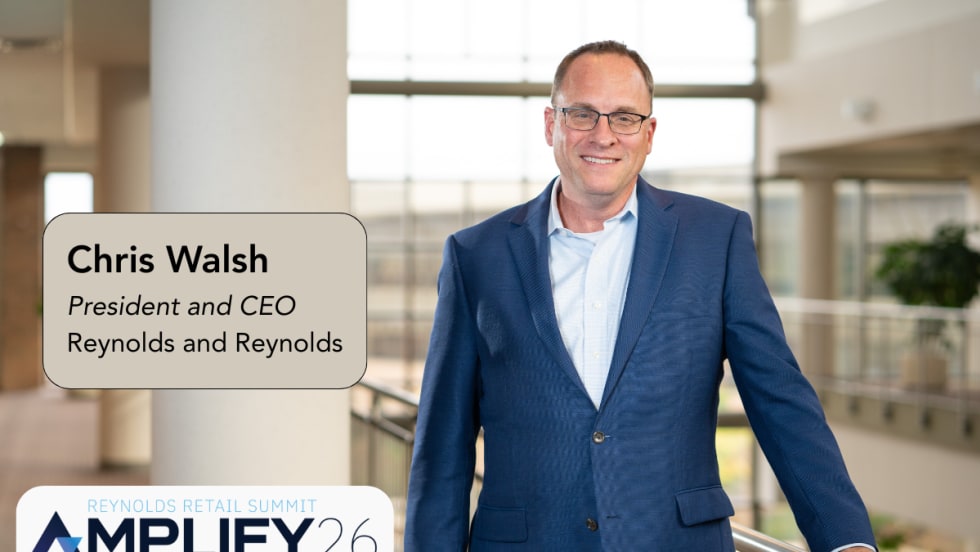
Amplify 2026 Billed as Turning Innovation Into Results
Reynolds and Reynolds says its annual retail summit will connect dealers with practical strategies, peer insight, and technology-driven ideas.
Read More →
Own Your Outcome: F&I in the Digital Customer Journey
Finance has historically been the last step in the car-buying process, but it doesn’t have to be. The customer’s journey starts long before they arrive at the dealership, and so should F&I’s involvement.
Read More →
Tariffs Could Raise Insurance Premiums
As U.S. import tariffs affect repair costs, consumers might find it more affordable to replace a damaged vehicle, according to recent Insurify tariff analysis.
Read More →
Smaller Loans, Longer Terms
The youngest generation of car buyers is more likely to finance less expensive vehicles, more than half of generation Z consumers borrowing less than $25,000.
Read More →
New Lifetime Battery F&I Product Meant to Drive Dealer Traffic
EFG Cos. offering is intended to create lifetime auto dealer engagement with customers.
Read More →
The Psychology Behind Menus That Increase Add-On Sales
There is a science to crafting a menu that gives customers confidence in the choices presented, and moving the process outside the F&I office can further boost results.
Read More →
Why Your F&I PVR Is Misleading You
Here’s a handy checklist of the numbers to track in 2026 instead.
Read More →
Auto Consumer Anxiety Presents Opportunity
A survey of U.S. drivers found the majority are concerned about finances and the economy, but those fears make many ready to buy vehicle-protection products.
Read More →