



Study: Highline Buyers Defy Expectations
A study conducted by Jumpstart Automotive Media and Ipsos Connect sought to identify luxury car buyers and determine what motivates them, and the results were surprising.
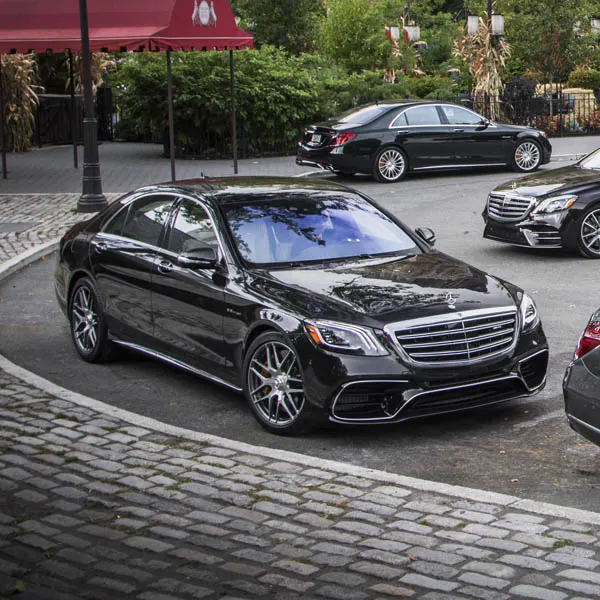
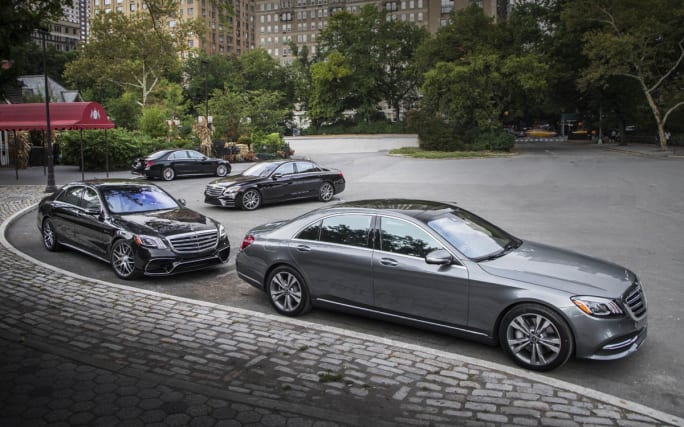
A new study commissioned by Jumpstart Automotive Media finds today’s luxury-car buyers are younger than expected and more motivated by the total ownership experience than a desire to impress others. Photo courtesy Mercedes-Benz USA LLC
SAN FRANCISCO — Jumpstart Automotive Media (div. Hearst Autos) released its latest auto shopper study, “Today’s Luxury Auto Owners: How Emotion, Experience and Loyalty Drive Purchase Decisions,” in collaboration with Ipsos Connect. The report looks at new trends in luxury auto shopping to better understand the luxury auto shopper mindset.
Analysts found the luxury market looks significantly different today compared to a decade or two ago. Today, luxury automakers are continuously introducing a bevy of entry-level vehicles that compete with non-luxury choices filled with advanced technology and features. This, combined with more aggressive financing and CPO options, means it’s never been more affordable to drive a luxury vehicle.
In response, luxury sales have grown. Today, luxury accounts for 13% of total sales, up 3% from 2014. Across Jumpstart sites, 34% of shoppers are researching luxury vehicles, up 4% from 2014, according to the company.
Working with global research firm Ipsos Connect, Jumpstart conducted qualitative research (18 in-home interviews with consumers who either currently own a luxury vehicle or have in the past) as well as an expert panel with professionals from the advertising, travel, food, journalism and sociology industries. The firms then quantified those findings through a national survey of 751 auto owners to reveal new insight into today’s luxury auto owners. This study looks at general perceptions of luxury, and how emotion, experience and loyalty drive purchase decisions.
According to the findings, today’s luxury owners are young, college-educated homeowners who are willing to pay more to get what they want. What’s more, they are more likely to be self-employed, and they are 69% more likely to use their vehicles primarily for their personal business. This is perhaps counter to the long-held perception that luxury owners are older and more established.
One of the characteristics that motivate today’s buyers is centered around the fact that luxury owners today are looking to impress themselves, rather than others. In fact, 91% of luxury buyers interviewed said they would rather have a vehicle that is satisfying to them, rather than impressive to others. This is also counter to previous perceptions, where it was deemed important to show off luxury to family and friends.
The study found that the “total brand experience” is critical in connecting to and impressing today’s luxury auto shopper, above and beyond just offering a car with brand panache. Luxury owners today are open to experiential events and reliant on the dealership more for maintenance, which also gives dealers the chance to influence consumers even when they are not in the buying state of mind.
“Loyalty remains a strong characteristic among luxury owners, but it’s important for dealers to understand what motivates today’s luxury shopper so they can continue to improve on sales opportunities and keep satisfaction levels high,” said Aline Hilsabeck, senior director of strategic insights and analytics at Jumpstart. “This is especially critical for mass-market owners, who may not be in-market immediately and ready to buy, but are always keeping one eye on their next vehicle and influenced by a number of criteria in their shopping.”
“This study highlights how brand experiences, as they do in so many categories, influence luxury auto purchase and loyalty. From the car’s performance and events to the dealership and maintenance experience, consumer perception is impacted throughout the entire shopping journey. Automotive marketers must take heed and understand and cater to the luxury buyers’ needs and expectations,” said Michael Baer, senior vice president and team lead for Ipsos' Affluent Intelligence Group.
The study also takes an in-depth look at mass market owners, luxury brand loyalty, and how emotions are driving consideration. To download the full study, click here.
More Showroom

Making the Safe Choice
Kelley Blue Book has turned households with teen drivers onto safe and affordable options for their vehicles of choice
Read More →
Inventory Holds Steady
September new-vehicle inventory rose slightly month-over-month, but dealer lots are laden with MY2026 vehicles as the typical model year changeover trudges along.
Read More →
October Auto Sales Fall With the Leaves
A forecast anticipates retail deliveries are down this month as consumers continue to face cost challenges, though more are tapping long loans in order to buy.
Read More →
California Sees Quarterly Gains
California’s new-vehicle market saw a boost in hybrids in the third quarter and its first overall quarterly market gain of the year.
Read More →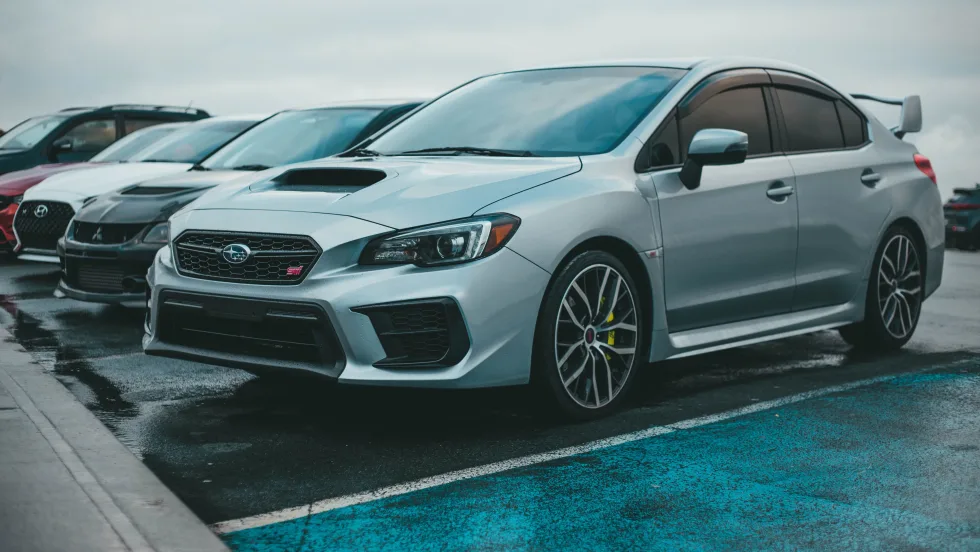
New-Vehicle Prices Stay Put
Affordability pressures and model availability shaped new-vehicle sales in September, according to an analysis by Kelley Blue Book.
Read More →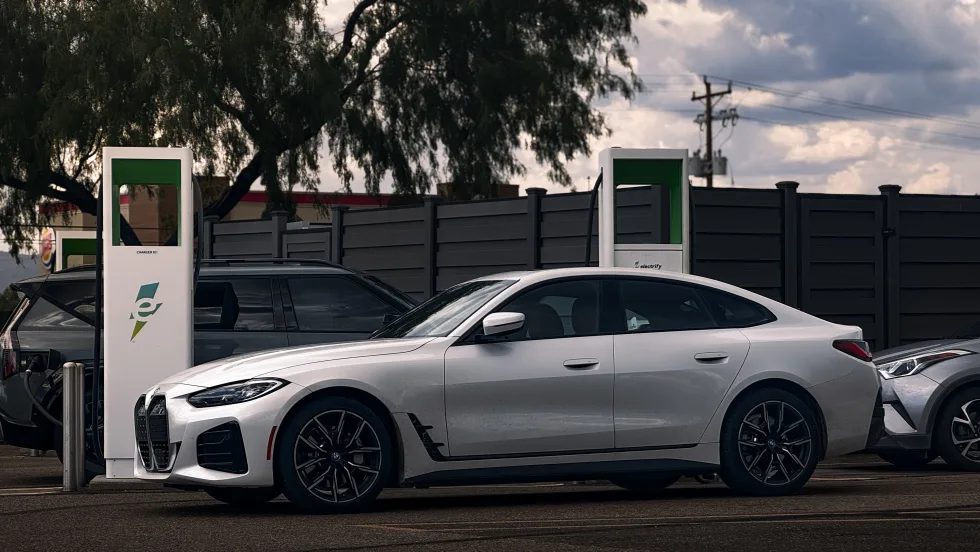
EV Buyer Consideration Shifts
What drives American consumers to purchase an electric vehicle is shifting as the question moves away from Should I?' to 'Which features and experience do I want to have?'
Read More →
Year-to-Date Auto Sales Holding Their Own
A forecast through August shows that automakers have shifted strategies to keep deliveries and revenues up despite tariffs and other economic challenges.
Read More →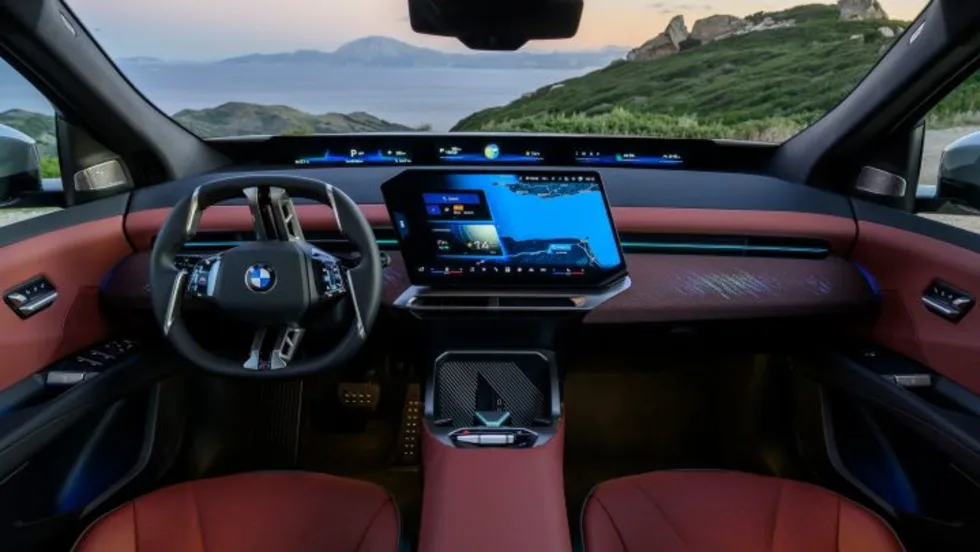
Slow to Robo
Ten years of polling consumers shows autonomous vehicles’ profiles have risen considerably, but even more people now want at least some level of control if they go that route.
Read More →
Dealers a Little Down
A third-quarter Cox Automotive survey finds them in a mixed mood, bummed by fallen customer traffic but encouraged by better profits, costs and EV interest.
Read More →
European EV Sales Skyrocket
The EV market on the continent held strong in July with almost 25% of new-car sales being fully electric units, a stark contrast to the U.S., where EV sales declined about 42%.
Read More →