



Study: Vehicle Owners Destined to Stay 'Upside Down'
IRVINE, Calif. -- The latest study from Kelley Blue Book Marketing Research, New Vehicle Buyer Attitude Study on Financing, finds that six out of 10 people who are about to buy a new vehicle prefer a longer term loan with low monthly payments.
IRVINE, Calif. -- The latest study from Kelley Blue Book Marketing Research, New Vehicle Buyer Attitude Study on Financing, finds that six out of 10 people who are about to buy a new vehicle prefer a longer term loan with low monthly payments.
Industry estimates are that nearly 30 percent of new-vehicle shoppers currently owe more on their vehicles than they are worth. Additionally, the average term for a consumer vehicle loan grew from 48 months in 2000 to 63 months in 2004. These consumers who are "upside-down" in their current vehicle loan could put themselves further into financial jeopardy by extending their next new-vehicle loan past the average four-to-five year term, yet as a group they do not seem concerned about the ramifications.
"Consumers who purchased vehicles with little or no money down and for a six or seven year term, will find they owe more than the car is worth when seeking out their next new vehicle," said Jack R. Nerad, editorial director of Kelley Blue Book's kbb.com. "This negative equity leaves future buyers two unpalatable choices: either stay in their current vehicle longer or pile on still more debt."
Both choices have negative implications for carmakers. If this one-third of the market keeps their vehicles longer, new sales and growth potential will be stymied in what is already a sluggish new-vehicle market. And if consumers add more debt, carmakers can expect more defaults on vehicle loans and bankruptcies, costing carmakers' captive finance arms millions and limiting market growth.
"Just as an over-reliance on low-cost, subsidized leases came back to bite manufacturers and financial institutions in the 1990s, so too could the move to increasingly longer loan terms in this decade," Nerad said.
More F&I
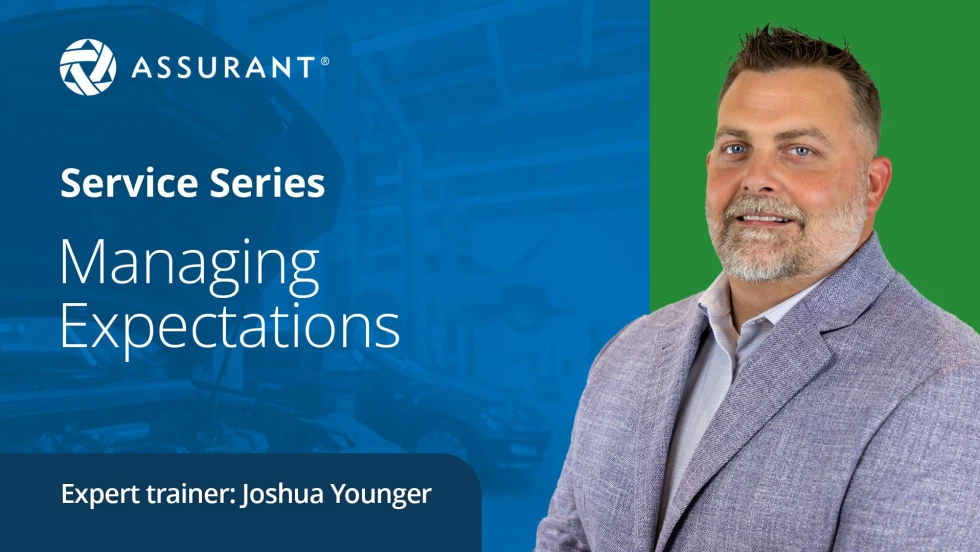
Managing Expectations
Learn how proactive communication, setting clear expectations, and providing solutions when plans change can strengthen customer trust and improve the overall service experience.
Read More →
The F&I Manager's Report Card
The best managers take the time and attention to measure the behaviors behind the numbers.
Read More →
AI: Facilitator, Not Fixer, in F&I
The dealerships that thrive in the years ahead will be those that embrace technology while continuing to invest in the people who make customer interactions count.
Read More →
Modern Technology Objection Handling
In this video, Trent White shares how to confidently handle technology-based objections by helping customers understand the value of protection, even with modern vehicle technology.
Read More →
Consistency at Scale: Driving F&I Performance
With 75 rooftops across the Sunshine State, Morgan Auto Group has proven to Floridians that it knows a thing or two about driving performance in a competitive market. But it didn’t start at the top.
Read More →
Gitty Up on GAP
The foundational finance-and-insurance product hasn’t kept up with the latest conditions for auto dealers. Is the time ripe?
Read More →
How AI-Powered Coaching Is Transforming F&I Performance
See how AI-powered coaching can turn F&I customer conversations into actionable insights that support compliance, performance and profitability
Read More →
Sell Value, Build Trust
In this video, Trent White explains why selling on value, not fear, builds lasting customer trust, reduces cancellations, and drives long-term success.
Read More →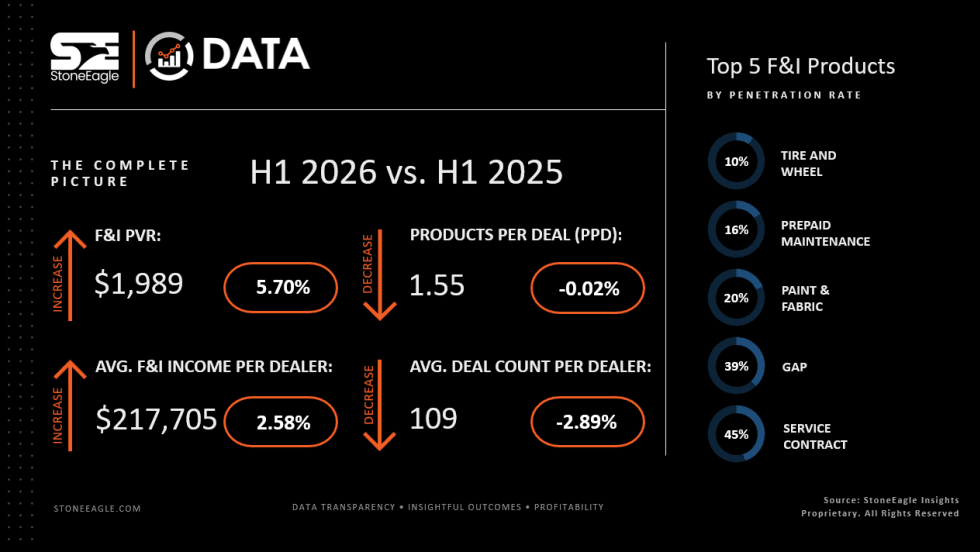
F&I Sales Give Dealers First-Half Lift
Product business shored up total profits to avoid an overall revenue tanking as product penetrations held steady, StoneEagle reported.
Read More →
Targeted Training Drives Results
Today’s technology, instead of threatening F&I managers, can actually make them better, according to an industry veteran who’s watched market setbacks roil the unprepared.
Read More →