



SUV/CUV Loyalty Reaches Record Levels
IHS Markit analysts say more than two-thirds of SUV and crossover buyers remain loyal to the segment, far outpacing the industry average with no signs of slowing.
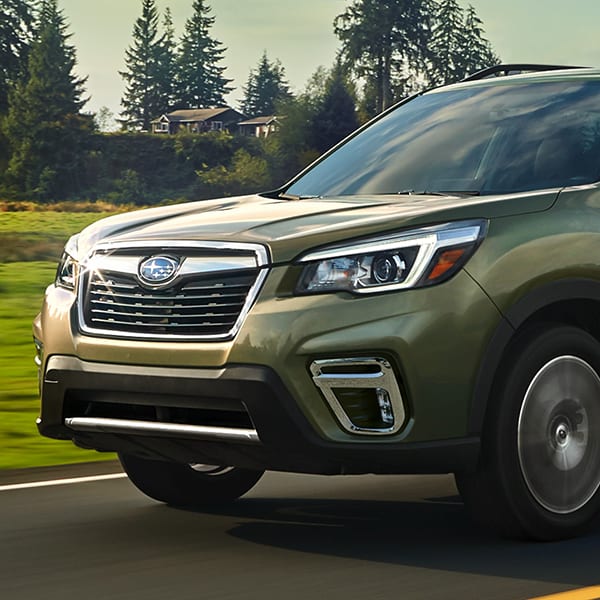

Loyalty to sport and crossover utility vehicles such as the Subaru Forester stands at 66.9%, an increase of more than 10 percentage points since 2012, according to IHS Markit. Photo courtesy Subaru of America Inc.
SOUTHFIELD, Mich. — Consumer loyalty to utility vehicles continues to grow at record levels, according to a recent analysis by business information provider IHS Markit. This trend is expected to continue, given the steady growth of utilities and pickups at the expense of sedans. According to IHS Markit forecasts, over the next three years, there will be five times as many new utility nameplates introduced to the U.S. market as new sedans.
The IHS Markit analysis of 17.1 million new-vehicle registrations in 2017 proves loyalty to utility vehicles reached a record high 66.9% last year, up from 64.4% in 2016 and from 54.3% in 2012. Two of every three households with a utility vehicle in the garage that returned to market in 2017 acquired another utility vehicle. Utility loyalty is 14.6 percentage points higher than the industry average loyalty of 52.3%. In addition, pickup truck loyalty in 2017 has risen, measuring 50.6%, up 8.1 percentage points since 2012.
Conversely, sedan loyalty has fallen to 47.7% in 2017, down 8.5 percentage points since 2012, representing the furthest drop of all body types over the five-year period. In 2012, sedan loyalty led the industry with 56.2% loyalty.
“Not only do utilities offer an attractive combination of benefits not available with sedans, but the broad range of utilities available, whether it be based on size, price or technology, now rivals the choice among sedans and continues to grow,” said Tom Libby, loyalty principal, IHS Markit.
From a market share perspective, the IHS Markit analysis found that utilities have gained record share versus sedans, with the body style growing 11 percentage points — from less than 32% in 2012 to 43% in 2017. In addition, five other vehicle body types are all losing share, including van, hatchback, coupe, station wagon, and convertible.
As households have moved to sport utilities and pickups at the expense of other categories, all car body styles have lost market share, and sedans are down more than 10 percentage points over the past five years. In addition, the combined share of the four lower-volume car body styles (hatchback, coupe, station wagon, and convertible) has dropped more than three points to just 8.2%, which suggests that, combined, these four categories now account for fewer than one of every 10 new vehicles registered.
The analysis included those new vehicle transactions that took place between January 2012 and December 2017. The “utility” body style as defined by the research includes SUV and CUV models collectively. Loyalty rates are based on the propensity of a household returning to market to acquire the same body style previously owned. In addition, the second vehicle may be an addition to the household fleet, not necessarily a replacement.
More Showroom
Dealers a Little Down
A third-quarter Cox Automotive survey finds them in a mixed mood, bummed by fallen customer traffic but encouraged by better profits, costs and EV interest.
Read More →
European EV Sales Skyrocket
The EV market on the continent held strong in July with almost 25% of new-car sales being fully electric units, a stark contrast to the U.S., where EV sales declined about 42%.
Read More →
Mitsubishi Unveils U.S. Plan
The automaker announced a strategy that includes an expanded lineup and dealership presence, along with more ‘rugged’ and electric models.
Read More →
Used Lots Getting the Business
Many consumers are seeking out the units to save money, and the demand – higher in July than normal – is keeping supply limited and prices up.
Read More →
Used Market Stabilizes
The Carfax Used Car Index noted a major drop in used-vehicle price increases in July after several months of hikes.
Read More →
California Hybrids Reach State Record
The Golden State still leads the country in electric-vehicle registrations, but much like the rest of the U.S. its hybrid market share is up while full electrics stabilize after a dramatic first-quarter dip.
Read More →
My Mercedes in the U.S.
The German brand debuted its studio dealership concept for the first time in the states in Los Angeles, tapping Americans’ penchant for creative distinctions.
Read More →
Used Sales Hit Summer Drag
The vacation season, combined with high prices, has dented deliveries and added to inventories, though supply is still slim enough to keep listings elevated.
Read More →
California Launches EV Rebate Program
Participating automakers are matching the state's $13.5 million investment in new electric-vehicle rebates scheduled to take effect later this summer.
Read More →
OEM Poll Sees Industry Evolution
Kerrigan Advisors’ survey of automakers finds that tariffs, technology, network tightening and other factors are poised to reshape auto retail.
Read More →