



Texas Bankers Association Endorses Wolters Kluwer Indirect Lending Solutions
Wolters Kluwer Financial Services announced that the Texas Bankers Association (TBA) has expanded its endorsement of the company's banking compliance products to include its indirect lending solutions.
MINNEAPOLIS – Wolters Kluwer Financial Services announced that the Texas Bankers Association (TBA), the largest and oldest state bankers’ association in the nation, has expanded its endorsement of the company's banking compliance products to include its indirect lending solutions.
In partnering with Wolters Kluwer Financial Services, TBA will offer Wolters Kluwer Financial Services’ indirect lending products to the community and regional banks, bank holding companies and savings institutions that make up its membership.
"TBA is focused on helping banking institutions find the best resources that can help them succeed in the challenging financial services environment," said Lenelle Freeman, executive vice president, TBA. "By connecting our members with Wolters Kluwer Financial Services, they are able to access a number of resources that ease the burden of addressing ongoing regulatory issues."
"We are very pleased to expand our relationship with the TBA, which has built a strong reputation on keeping bankers educated and informed on the matters that affect their business," said Kevin Kopp, director of Indirect Lending at Wolters Kluwer Financial Services. "Through this partnership, we’re focused on strengthening that commitment by helping more lenders successfully handle the growing demands of compliance."
Wolters Kluwer Financial Services offers many customizable tools that address the regulatory compliance requirements of professionals in the indirect lending market, including those at banks, finance companies and automotive dealerships. Its portfolio of indirect lending solutions includes motor vehicle retail sales installment contracts and motor vehicle lease agreements, as well as CompliSource, a Web-based tool that provides comprehensive, state-by-state information about indirect lending laws, and AppOne, an Internet-based risk mitigation service for banks, auto finance companies and auto dealers.
More F&I

Integrating Nontraditional F&I Products
The niche presents a strategic advantage for auto dealerships as they move to adapt to fast-changing consumer expectations in today’s market.
Read More →
Trust Is Personal
Technology, no matter how efficient, can’t replace what the human F&I manager can do, which is to bridge the divide between cyberspace and the in-store experience.
Read More →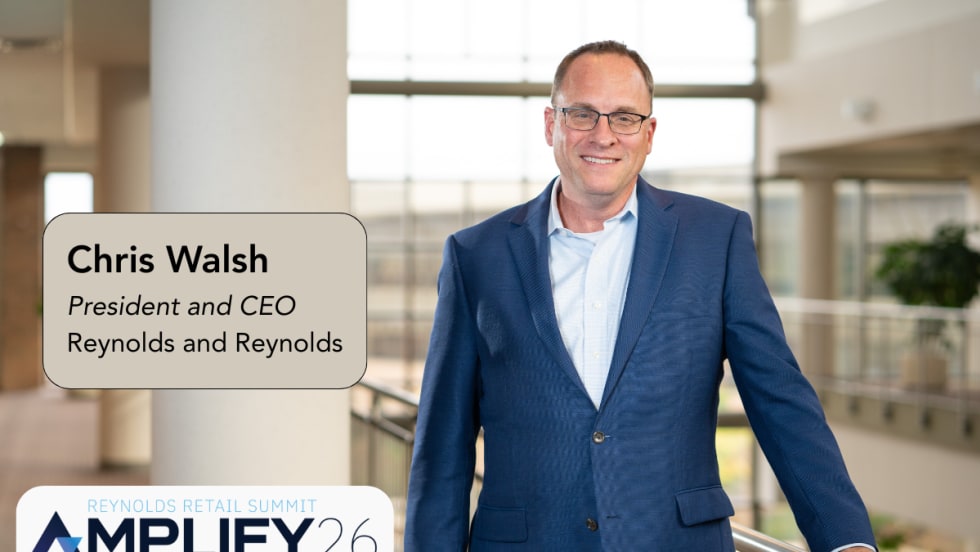
Amplify 2026 Billed as Turning Innovation Into Results
Reynolds and Reynolds says its annual retail summit will connect dealers with practical strategies, peer insight, and technology-driven ideas.
Read More →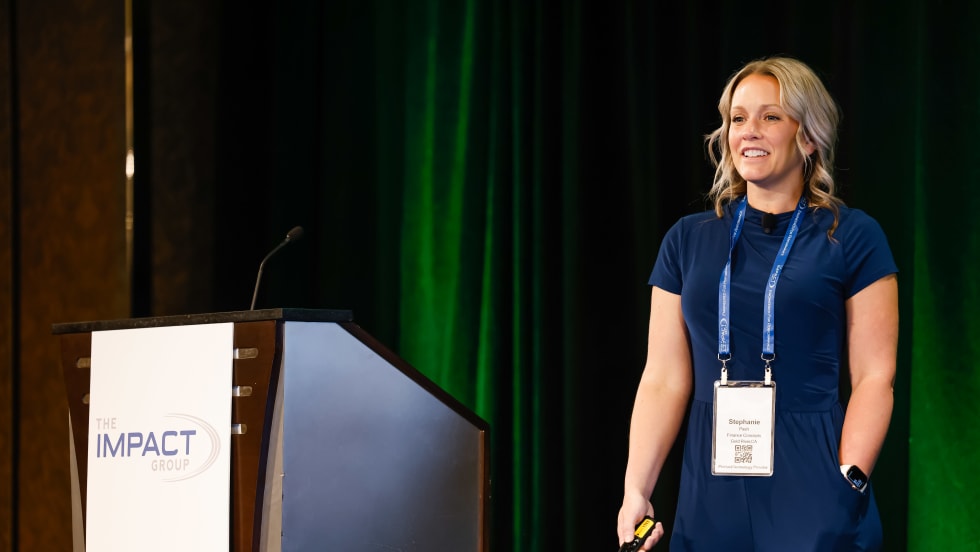
Own Your Outcome: F&I in the Digital Customer Journey
Finance has historically been the last step in the car-buying process, but it doesn’t have to be. The customer’s journey starts long before they arrive at the dealership, and so should F&I’s involvement.
Read More →
Tariffs Could Raise Insurance Premiums
As U.S. import tariffs affect repair costs, consumers might find it more affordable to replace a damaged vehicle, according to recent Insurify tariff analysis.
Read More →
Smaller Loans, Longer Terms
The youngest generation of car buyers is more likely to finance less expensive vehicles, more than half of generation Z consumers borrowing less than $25,000.
Read More →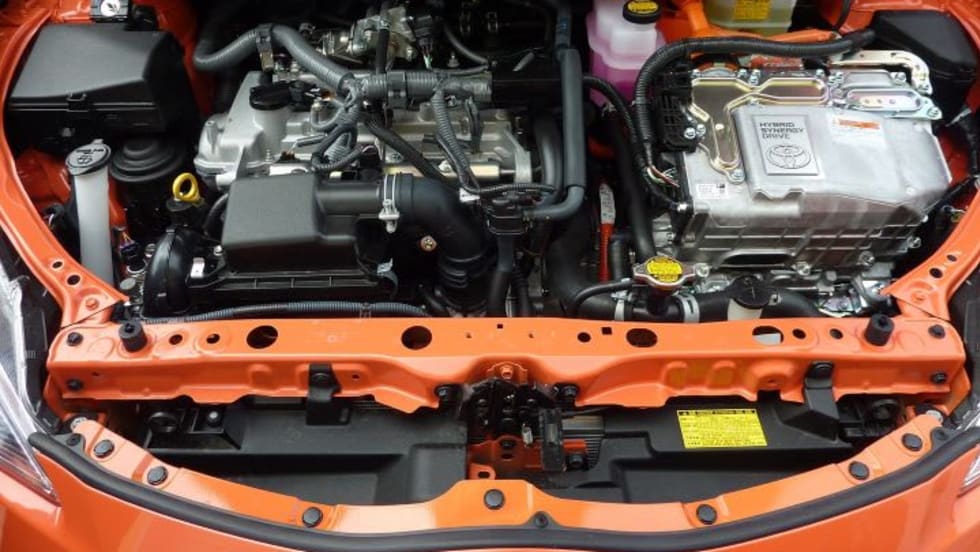
New Lifetime Battery F&I Product Meant to Drive Dealer Traffic
EFG Cos. offering is intended to create lifetime auto dealer engagement with customers.
Read More →
The Psychology Behind Menus That Increase Add-On Sales
There is a science to crafting a menu that gives customers confidence in the choices presented, and moving the process outside the F&I office can further boost results.
Read More →
Why Your F&I PVR Is Misleading You
Here’s a handy checklist of the numbers to track in 2026 instead.
Read More →
Auto Consumer Anxiety Presents Opportunity
A survey of U.S. drivers found the majority are concerned about finances and the economy, but those fears make many ready to buy vehicle-protection products.
Read More →