



Toyota Ends Scion Experiment
The automaker announced on Wednesday it plans to transition the youth-geared brand back into the Toyota brand, with several model-year 2017 vehicles expected to be rebadged as Toyota beginning in August.
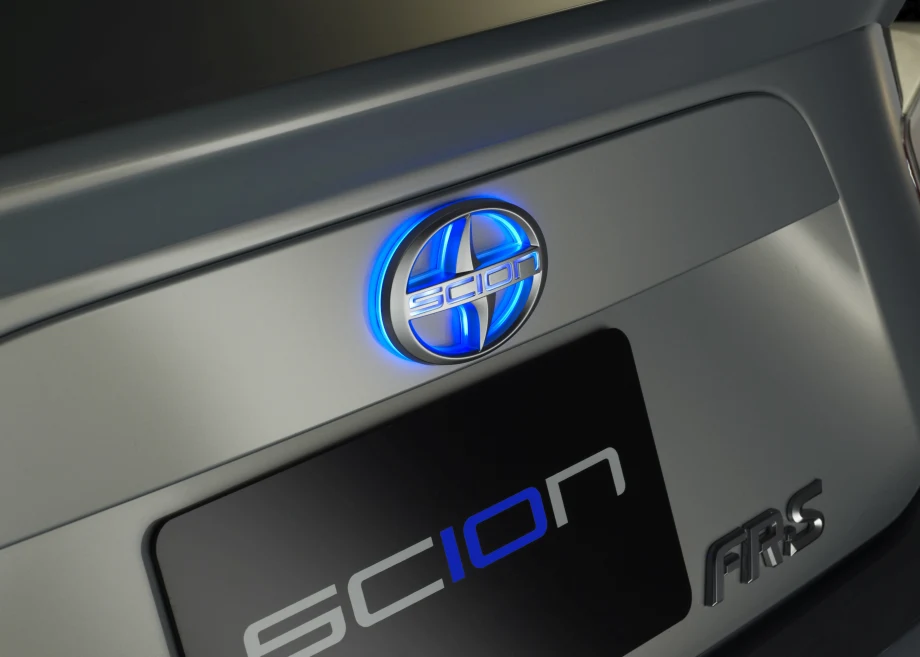
TORRANCE, Calif. — Toyota’s Scion experiment had ended, with the automaker announcing on Wednesday that the youth-geared brand will be transitioned back into the Toyota brand. The announcement comes almost 13 years after the automaker established Scion as a separate brand to explore new products and processes that attract youth customers.
The automaker said model-year 2017 Scion vehicle will be rebadged as Toyota beginning this August, with the FR-S sports car, iA sedan and iM five-door hatchback expected to become part of the Toyota family. The tC sports coupe, however, will have a final release series edition and end production in August. The C-HR, which debuted at the Los Angeles Auto Show, will also become part of the Toyota lineup.
“This isn’t a step backward for Scion; it’s a leap forward for Toyota. Scion has allowed us to fast-track ideas that would have been challenging to test through the Toyota network,” said Jim Lentz, founding vice president of Scion and now CEO of Toyota Motor North America. “I was there when we established Scion and our goal was to make Toyota and our dealers stronger by learning how to better attract and engage young customers. I’m very proud because that’s exactly what we have accomplished.”
Service and repairs for Scion customers will remain unaffected by the change, officials said, as customers will continue visiting Toyota dealership service departments.
More than a million Scion cars have been sold since the brand was established in June 2003, with the automaker noting that 70% of those purchases were made by customers new to Toyota. Additionally, 50% of those purchases were made by buyers under the age of 35.
The automaker claimed in its press releasing announcing the decision that the average age of the Scion buyer was 36, with the average age of the tC sports coupe buyer coming in at 29 — the lowest average age buyer in the industry.
As for the 22 dedicate Scion team members who handle sales, marketing, distribution, strategy, and product and accessory planning, the automaker said they will have the opportunity to take on jobs at Toyota Motor Sales in Torrance, Calif. Scion regional representatives will assume different responsibilities in their respective Toyota sales offices.
“Scion has had some amazing products over the year and our current vehicles are packed with premium features at value prices,” said Andrew Gilleland, an executive with Scion. “It’s been a great run and I’m proud that the spirit of Scion will live on through the knowledge and products soon to be available through the Toyota network.”
The Scion brand gave birth to several products, sales and marketing process, including the brand’s no-haggle Pure Pricing and Pure Process Plus online car-buying process. Personalization was also big with the brand, with buyers offered an array of accessories from which to choose.
The brand also served as a training ground for Toyota execs. Aside from Lentz, Mark Templin, managing officer for Toyota Motor Corp. and executive vice president of Lexus International, Jack Hollis, group vice president of Toyota marketing, and Doug Murtha, group vice president of corporate strategy and planning for Toyota Motor North America, held roles with Scion.
The brand’s best year in terms of sales was 2006, when Scion sold 173,034 units. Sales, however, never topped 100,000 units after that. In 2015, the Scion brand sold 56,167 units.
“We appreciate our 1,004 Scion dealers and the support they’ve given the brand,” said Bob Carter, Toyota senior vice president of automotive operations. “We believe our dealers have gained valuable insights and have received a strong return on their investment. During this time of transition, we will work closely with them to support this process and help communicate this change to customers.”
More Auto Finance

Interest Rates Further Squeeze Auto Consumers
Last month’s hike and a potential second increase this month add to a growing list of inflation woes that could continue to dent overall car sales.
Read More →
Mind Your Process
Consistent steps taken in various aspects of the F&I office can make valuable differences over time, similar to an outline for a best-selling book.
Read More →
Top Five Credit Application Fraud Flags
Compliance audits regularly reveal bad habits that can lead to fraud charges and should have been stamped out decades ago.
Read More →
More Auto Loans for the Taking in August
Riskier categories were on the uptick for the month as lenders loosened access in several areas while balancing out the exposure in another, Cox Automotive reported.
Read More →
July Was Hot for Auto Borrowers
Credit proved readily available for many, but most loans left buyers in negative territory, Cox Automotive said.
Read More →
Dealer Lender Preferences Revealed
When lenders provide consistent, fast service, their overall satisfaction scores with dealers greatly improve, according to JD Power research.
Read More →
Auto Refi Savings Surge
Consumers with 84-month auto loan terms who refinanced saved the most on monthly payments, according to a new report by auto refinancing provider Caribou.
Read More →
Subaru Enters Lending Business
The automaker follows other brands in adding captive financing in the U.S., and says the move will strengthen its position here.
Read More →
Positive Equity Reaches Record High
Mainstream vehicle owners who bought a car seven years ago are likely to have positive equity when trading in for a new vehicle, according to second-quarter Edmunds data.
Read More →
Dealerships Are Paying the Price for Extended Car Loans
Growing negative-equity scenarios mean such lengthy terms should be addressed in a forward-looking way to make them work for the dealer and the consumer down the road.
Read More →