



Toyota, Mitsubishi Extend Zero Percent Interest
Japanese auto manufacturers Toyota Motor Corp. and Mitsubishi Motors Corp. announced on Nov. 5 they would extend their current zero-interest financing deals in the United States until the end of November.
Zero percent and low interest loans have helped spark an an industry price war as automakers try to win back consumer confidence in the wake of the Sept. 11 terrorist attacks.
General Motors Corp. started the battle in September with others in the U.S. market soon joining the melee.
The financing deals have had the intended revitalizing effect on car sales, with October industry-wide sales hitting record numbers. October sales, at 1.72 million units, rose 24 percent to a seasonally adjusted annual rate of 21.3 million vehicles.
GM, Ford Motor Co and the Chrysler division of DaimlerChrysler AG have said they would offer their loan deals through mid-November. GM's deals currently run through Nov. 18, Chrysler's through Nov. 19, and Ford's through Nov. 20.
Analysts and car industry executives have warned that the zero percent loans, which are very costly for the car makers, are eroding profitability and eating into future sales.
Mitsubishi is offering zero interest financing on six models it sells in the United States, including its Montero Sport and Montero Limited SUVs.
Toyota offers the deals on three older vehicles: its Tundra pickup truck, Corolla sedan and the Fourunner sports utility vehicle.
Toyota's US sales skyrocketed 28 percent in October, while Mitsubishi's sales rose 13 percent.
Other Japanese auto manufacturers have been slower to jump on the bandwagon. Honda Motor Co. Ltd. and Mazda Motor Co. Ltd. have not offered bargain basement financing in the United States.
Honda's U.S. sales rose 19 percent, due largely to strong brand loyalty and a spillover effect from the prevalence of cheap financing, which apparently has inspired more people to visit car showrooms in general.
Mazda's U.S. sales rose six percent.
Nissan, after offering zero interest loans on two older models in October, has mostly discontinued the deals. Its U.S. sales rose eight percent in October.
More F&I

Integrating Nontraditional F&I Products
The niche presents a strategic advantage for auto dealerships as they move to adapt to fast-changing consumer expectations in today’s market.
Read More →
Trust Is Personal
Technology, no matter how efficient, can’t replace what the human F&I manager can do, which is to bridge the divide between cyberspace and the in-store experience.
Read More →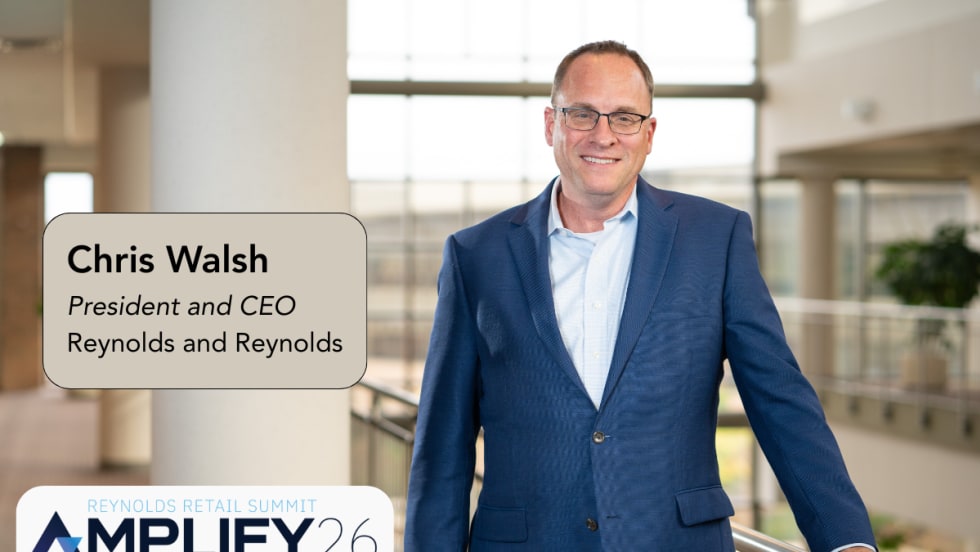
Amplify 2026 Billed as Turning Innovation Into Results
Reynolds and Reynolds says its annual retail summit will connect dealers with practical strategies, peer insight, and technology-driven ideas.
Read More →
Own Your Outcome: F&I in the Digital Customer Journey
Finance has historically been the last step in the car-buying process, but it doesn’t have to be. The customer’s journey starts long before they arrive at the dealership, and so should F&I’s involvement.
Read More →
Tariffs Could Raise Insurance Premiums
As U.S. import tariffs affect repair costs, consumers might find it more affordable to replace a damaged vehicle, according to recent Insurify tariff analysis.
Read More →
Smaller Loans, Longer Terms
The youngest generation of car buyers is more likely to finance less expensive vehicles, more than half of generation Z consumers borrowing less than $25,000.
Read More →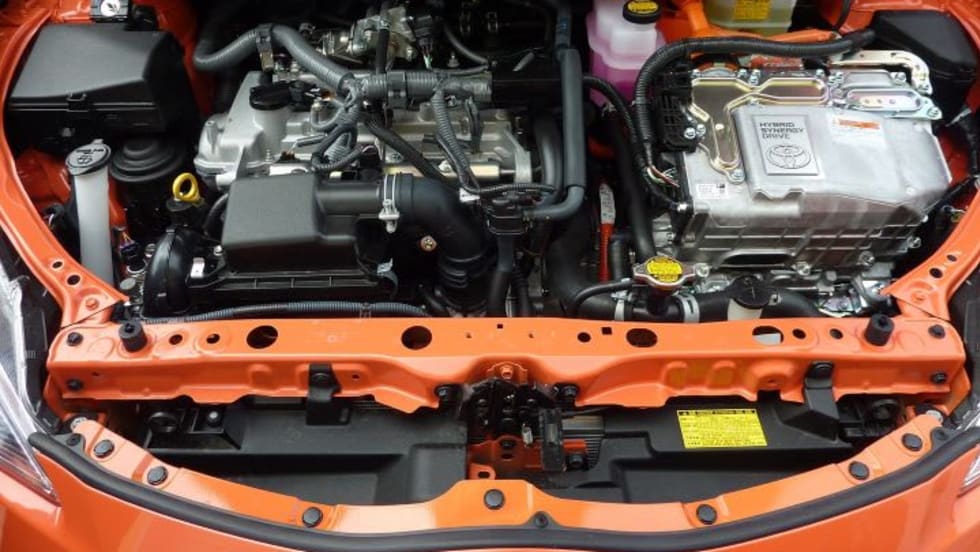
New Lifetime Battery F&I Product Meant to Drive Dealer Traffic
EFG Cos. offering is intended to create lifetime auto dealer engagement with customers.
Read More →
The Psychology Behind Menus That Increase Add-On Sales
There is a science to crafting a menu that gives customers confidence in the choices presented, and moving the process outside the F&I office can further boost results.
Read More →
Why Your F&I PVR Is Misleading You
Here’s a handy checklist of the numbers to track in 2026 instead.
Read More →
Auto Consumer Anxiety Presents Opportunity
A survey of U.S. drivers found the majority are concerned about finances and the economy, but those fears make many ready to buy vehicle-protection products.
Read More →