



Traffic Fatalities Fall
Federal agency still decries heavy toll in first six months.


Thirty-eight states, Washington, D.C., and Puerto Rico saw fatality decreases, one state was flat, and 11 saw traffic death increases.
Pexels/Taras Makarenko
U.S. road deaths fell in the first half of the year by 8%, even as Americans clocked more miles. The decrease continued a decline that started last year after a pandemic-era surge.
The decrease, the steepest first-half drop since 2008, nevertheless resulted in the sobering number of slightly more than 17,000 people killed in six months, according to National Highway Traffic Safety Administration estimates.
“These preliminary figures are encouraging and reflect NHTSA’s close collaboration with state and local partners, especially law enforcement, to improve safety on our roads,” NHTSA Chief Counsel Peter Simshauser said in the federal agency’s midyear report.
“But even as we see progress, these numbers are far too high, and we remain focused on reducing traffic fatalities even further.”
Vehicle miles traveled in the U.S. rose by a staggering 12 billion, NHTSA said. That makes for a fatality rate of about 1.1 deaths per 100 million miles, down about 9% year-over-year and the lowest midyear rate since 2014.
Thirty-eight states, Washington, D.C., and Puerto Rico experienced fatality decreases, one state was flat, and 11 saw traffic death increases, NHTSA reported.
Time will tell how the second half of 2025 fares when it comes to traffic safety. A report by Carfax indicates that the fall season is the most dangerous on the road based on the percentage of crashes. It found that there are more wrecks in the autumn than other seasons in 39 states.
Carfax cited decreasing daylight hours meaning more driving time in the dark, more slick tree debris on roads, and more crashes with deer, which are on the move during mating season.
DIG DEEPER: Risking-Driving Prevention Tech to Be Required for Props
More Industry
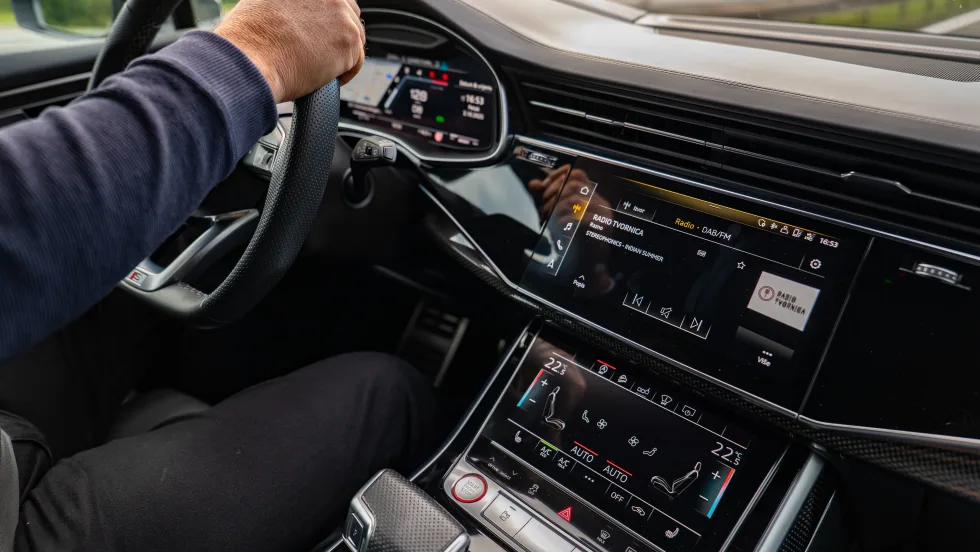
Connection Drives Consideration
Convenience and safety are top priorities for American drivers when it comes to connected vehicles and the services they expect with their next car.
Read More →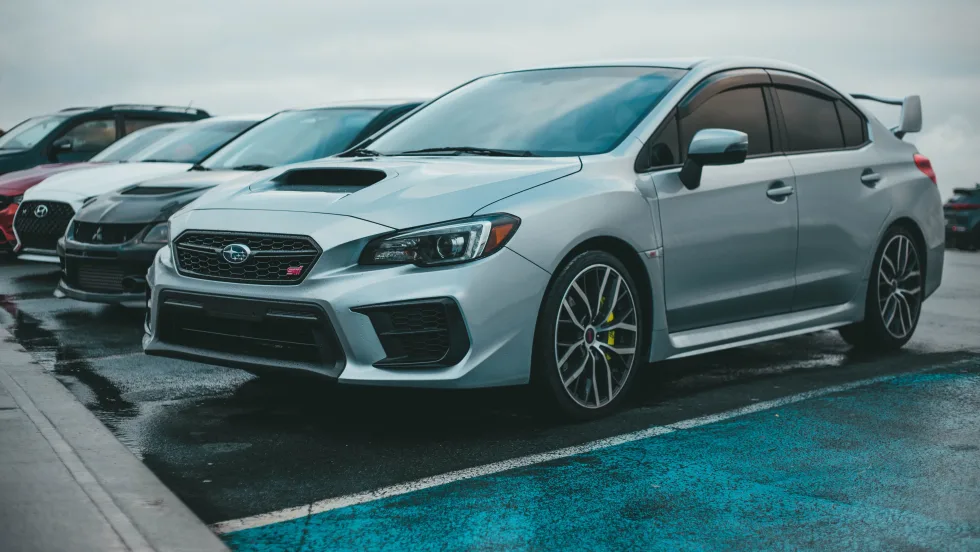
New-Vehicle Prices Stay Put
Affordability pressures and model availability shaped new-vehicle sales in September, according to an analysis by Kelley Blue Book.
Read More →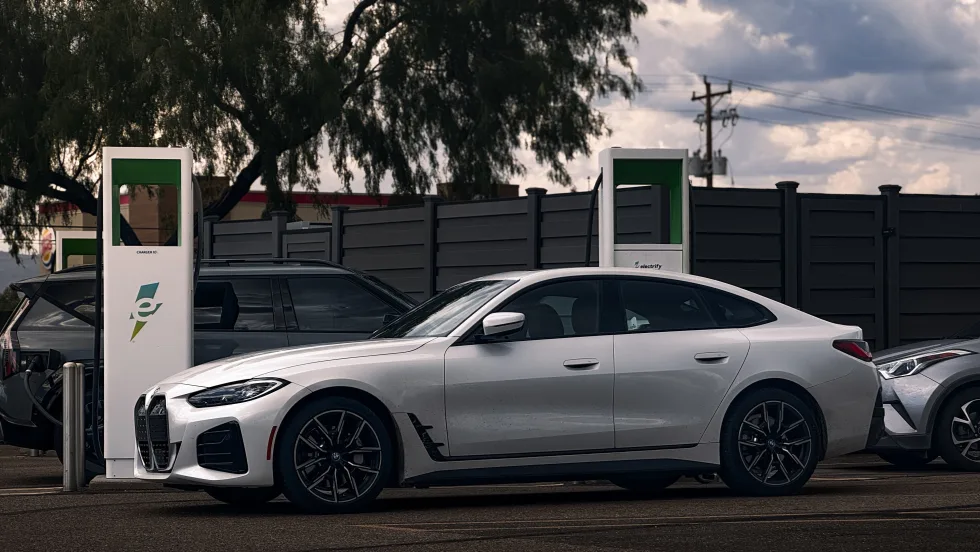
EV Buyer Consideration Shifts
What drives American consumers to purchase an electric vehicle is shifting as the question moves away from Should I?' to 'Which features and experience do I want to have?'
Read More →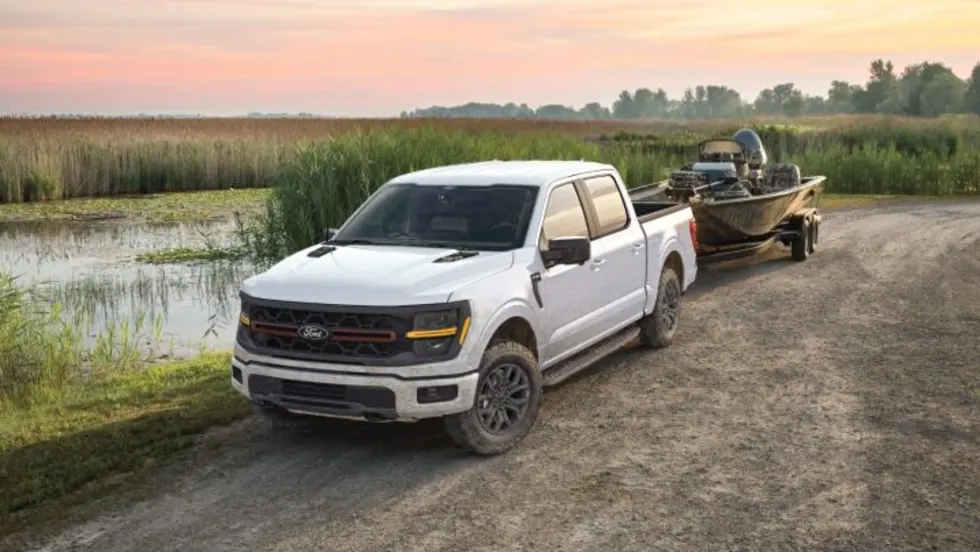
Auto Nameplate Loyalty Holds in Tough Times
Consumers have been faithful to brands despite financial pressures, and JD Power says that’s because automakers have made some wise moves.
Read More →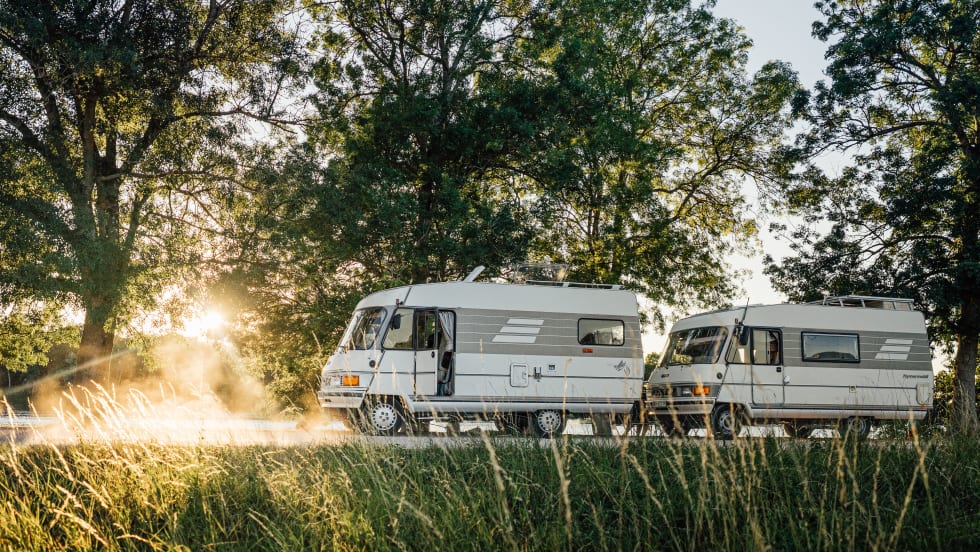
Top New Jersey RV Store Sells
Myer’s RV Superstore is expanding its footprint in the state with two new locations that it acquired from Ed Hutchinson Jr.
Read More →
Alliance Analyzes Technician Pipeline
A new industry report examines the state of skilled trades in the U.S. and details the drivers of demand for automotive repair and how technicians enter and grow in the workforce.
Read More →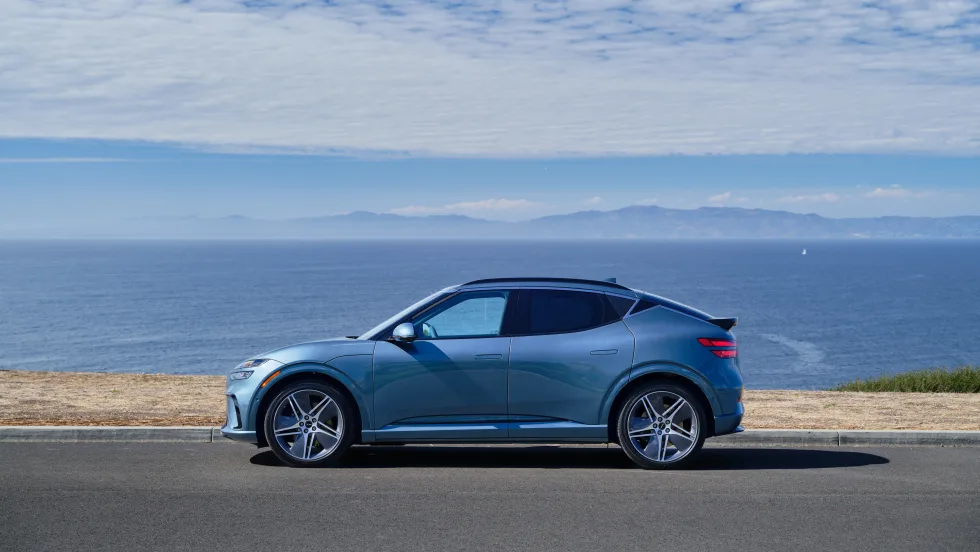
Luxury Rooftop Changes Hands
Genesis of Glenview is getting a new owner and a new location, but its name will stay the same.
Read More →
Future-Proof Your Business
A new industry outlook details several ways that automotive companies can use the rise in artificial intelligence and advanced technologies to their advantage.
Read More →
Dealership Buy-Sells Keep Going Up
First-half transactions reflect continued high appetite for acquisitions despite falling profits, the most sought-after franchises bringing record prices.
Read More →
California Makes Electric Moves
New laws in the Golden State aim to advance consumer access to public electric-vehicle chargers and reduce costs and barriers to its infrastructure.
Read More →