



U.S. Credit Card, Auto ABS Can Withstand Unemployment Stress, Reports Fitch
Fitch believes that typical prime credit card and auto transactions could withstand an increase in the unemployment rate of four to five times the current rate at the AAA level and roughly one-and-one-half to two times at the BBB level.
Washington While many factors can be indicative of the state of the U.S. economy as a whole, the unemployment rate is one of the most widely acknowledged indicators of consumer health. Therefore, Fitch Ratings has analyzed the historical relationship between changes in the unemployment rate and changes in U.S. consumer asset-backed securities (ABS) loss rates. Based on this analysis, Fitch believes that typical prime credit card and auto transactions could withstand an increase in the unemployment rate of four to five times the current rate at the AAA level and roughly one-and-one-half to two times at the BBB level, all else being equal. Fitch’s forecast is for unemployment to increase steadily to the 5.5 percent range by year end.
After reaching multi-year lows in first half-2007, the unemployment rate, auto loan losses and credit card losses have been rising. While they are all still considerably lower than the recent highs reported in mid-2003, ABS investors are seeking more information on the potential impact of continued increases in the unemployment rate on auto loan and credit card transactions.
According to analysis performed by Fitch, increases in the unemployment rate are expected to cause auto loan and credit card loss rates to increase proportionally with subprime assets experiencing the highest proportional rate. For example, prime credit card charge-offs should increase on a one-to-one basis. Accordingly, a 100 percent increase in the current unemployment rate, from 4.8 percent to 9.6 percent, would lead up to a 100 percent increase in current prime credit card charge-offs, from 5.6 percent to 11.2 percent. For subprime credit cards and auto loans the proportional increase is closer to 1.3-to-one meaning a 100 percent increase in unemployment would lead up to a 130 percent increase in charge-offs or losses.
Based on this analysis, unemployment in isolation would have to increase, from 4.8 percent to more than 20 percent in order to cause a first dollar loss to typical “AAA” rated credit card and auto transactions. Typical “BBB” securities could withstand an increase in the unemployment rate to more than 9 percent for auto transactions and close to 11 percent for credit card transactions. For comparison, the unemployment rate is estimated to have peaked in the 24-25 percent range in 1933. Post-war unemployment levels peaked at 10.8 percent in 1982 and over the past 30 years the unemployment rate has averaged approximately 6 percent. “Consumer ABS transactions rated ‘AAA’ can withstand unemployment stresses to levels not seen since the Great Depression,” said Kevin Duignan, managing director and ABS group head.
Fitch stated in February that it expects collateral performance to decline steadily throughout 2008 in the credit card receivable and auto loan assets. However, Fitch believes that the credit enhancement and structural features of the transactions are sufficient to stave off widespread negative rating actions in those sectors.
More F&I
Integrating Nontraditional F&I Products
The niche presents a strategic advantage for auto dealerships as they move to adapt to fast-changing consumer expectations in today’s market.
Read More →
Trust Is Personal
Technology, no matter how efficient, can’t replace what the human F&I manager can do, which is to bridge the divide between cyberspace and the in-store experience.
Read More →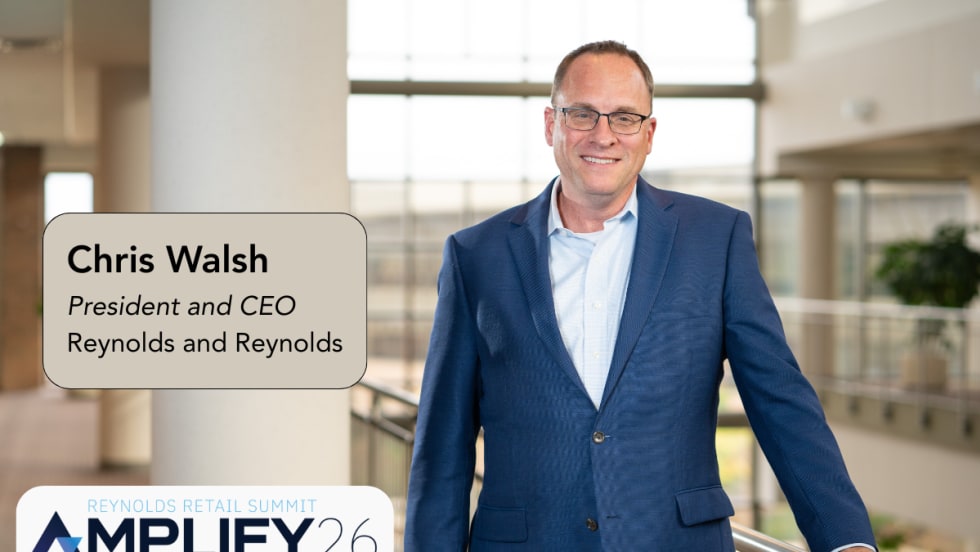
Amplify 2026 Billed as Turning Innovation Into Results
Reynolds and Reynolds says its annual retail summit will connect dealers with practical strategies, peer insight, and technology-driven ideas.
Read More →
Own Your Outcome: F&I in the Digital Customer Journey
Finance has historically been the last step in the car-buying process, but it doesn’t have to be. The customer’s journey starts long before they arrive at the dealership, and so should F&I’s involvement.
Read More →
Tariffs Could Raise Insurance Premiums
As U.S. import tariffs affect repair costs, consumers might find it more affordable to replace a damaged vehicle, according to recent Insurify tariff analysis.
Read More →
Smaller Loans, Longer Terms
The youngest generation of car buyers is more likely to finance less expensive vehicles, more than half of generation Z consumers borrowing less than $25,000.
Read More →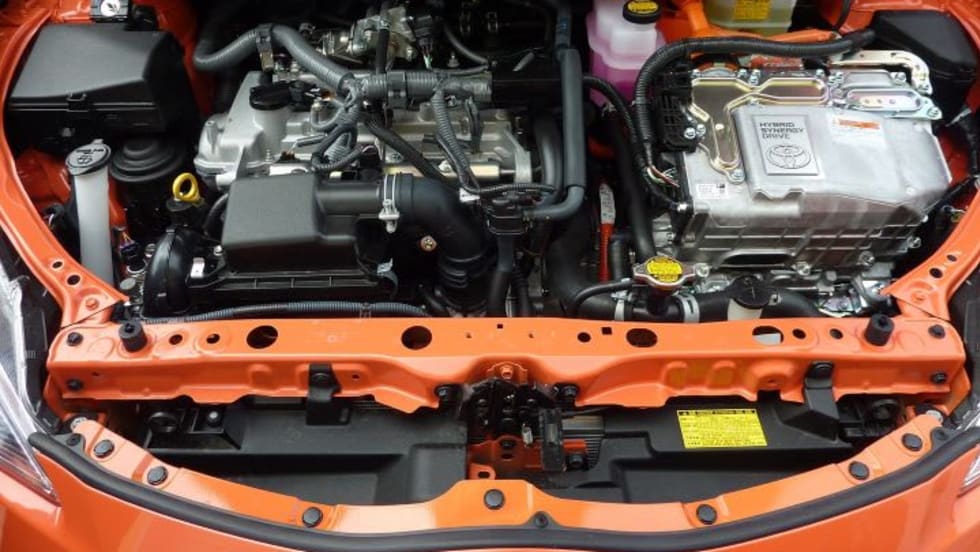
New Lifetime Battery F&I Product Meant to Drive Dealer Traffic
EFG Cos. offering is intended to create lifetime auto dealer engagement with customers.
Read More →
The Psychology Behind Menus That Increase Add-On Sales
There is a science to crafting a menu that gives customers confidence in the choices presented, and moving the process outside the F&I office can further boost results.
Read More →
Why Your F&I PVR Is Misleading You
Here’s a handy checklist of the numbers to track in 2026 instead.
Read More →
Auto Consumer Anxiety Presents Opportunity
A survey of U.S. drivers found the majority are concerned about finances and the economy, but those fears make many ready to buy vehicle-protection products.
Read More →