



Used Vehicle Index Rises for Third Straight Month
Black Book’s monthly analysis shows used-vehicle values are closing out the final quarter of 2017 with continued strength.
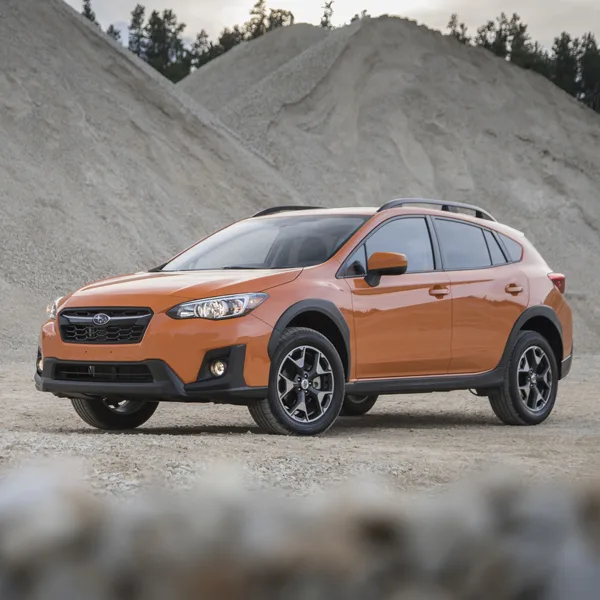
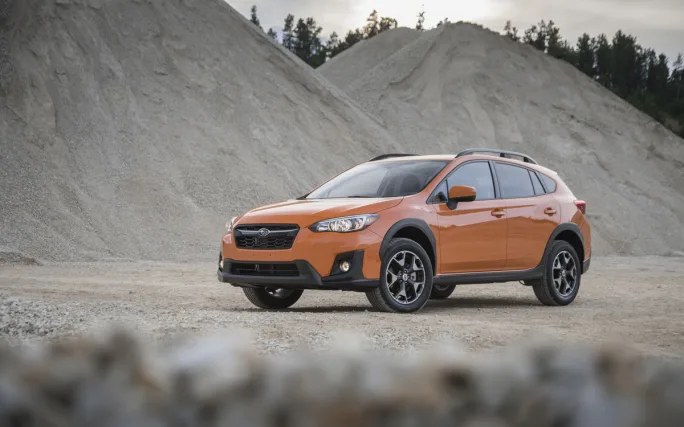
Compact crossover SUVs such as the Subaru Crosstrek are one of several categories showing continued value-retention strength in the waning months of 2017. Photo courtesy Subaru of America
LAWRENCEVILLE, Ga. — Black Book (div. Hearst Business Media) released its Used Vehicle Retention Index for November, with the index increasing 0.3% month-over-month from 114.6 to 115.0, its third straight monthly increase dating back to August when it was at 112.6.
The Black Book Used Vehicle Retention Index is calculated using Black Book’s published wholesale average value on two- to six-year-old used vehicles, as percent of original typically equipped MSRP. It is weighted based on registration volume and adjusted for seasonality, vehicle age, mileage and condition. The index offers an accurate, unbiased view of the strength of today’s used vehicle market values.
The index rose for the third-straight month giving used cars and trucks relative strength heading into the final month of the year. The index has increased in five months during 2017, with a sixth month unchanged (June through July). It’s the first time since 2013 that the index increased at least five times during the calendar year.
Nine segments saw increases in the index during November: compact crossover/SUVs, full-size cars, full-size pickups, full-size vans, luxury cars, midsize crossover/SUV, mid-size luxury crossover/SUV, prestige luxury cars and small pickups.
“The continued strengthening of the index indicates 2017 has been a little stronger than expected for used cars and trucks, helped along the way by the hurricane-replacement activity,” said Anil Goyal, senior vice president of automotive valuation and analytics for Black Book. “Any continued strengthening over the next few months will mean we’re getting an early jump at the oncoming tax spending season, when consumers use their checks to replace their vehicles in the spring.”
The index dates back to January 2005, where Black Book published a benchmark index value of 100.0 for the market. During 2008, the index dropped by 14.1% while during 2016, the index fell by just 6.4%. During 2011, the index rose strongly from 113.3 to 123.0 by the end of the year as the economy picked up steam and used vehicle values rose higher. It continued to remain relatively stable, rising slightly until May of 2014 when it hit a peak of 128.1.
To obtain a copy of the latest Black Book Wholesale Value Index, click here.
More Showroom

California Sees Quarterly Gains
California’s new-vehicle market saw a boost in hybrids in the third quarter and its first overall quarterly market gain of the year.
Read More →
New-Vehicle Prices Stay Put
Affordability pressures and model availability shaped new-vehicle sales in September, according to an analysis by Kelley Blue Book.
Read More →
EV Buyer Consideration Shifts
What drives American consumers to purchase an electric vehicle is shifting as the question moves away from Should I?' to 'Which features and experience do I want to have?'
Read More →
Year-to-Date Auto Sales Holding Their Own
A forecast through August shows that automakers have shifted strategies to keep deliveries and revenues up despite tariffs and other economic challenges.
Read More →
Slow to Robo
Ten years of polling consumers shows autonomous vehicles’ profiles have risen considerably, but even more people now want at least some level of control if they go that route.
Read More →
Dealers a Little Down
A third-quarter Cox Automotive survey finds them in a mixed mood, bummed by fallen customer traffic but encouraged by better profits, costs and EV interest.
Read More →
European EV Sales Skyrocket
The EV market on the continent held strong in July with almost 25% of new-car sales being fully electric units, a stark contrast to the U.S., where EV sales declined about 42%.
Read More →
Mitsubishi Unveils U.S. Plan
The automaker announced a strategy that includes an expanded lineup and dealership presence, along with more ‘rugged’ and electric models.
Read More →
Used Lots Getting the Business
Many consumers are seeking out the units to save money, and the demand – higher in July than normal – is keeping supply limited and prices up.
Read More →
Used Market Stabilizes
The Carfax Used Car Index noted a major drop in used-vehicle price increases in July after several months of hikes.
Read More →