



Vehicle Ownership Costs Rising
Fuel prices, car prices and depreciation are all factors for new vehicles, and this year’s average annual numbers are up with the inclusion of electrics and hybrids.


Depreciation was the single largest ownership cost, according to this year’s analysis.
F&I and Showroom
The average annual cost to own and operate a new vehicle reached $12,863 this year, or $1,072.92 per month, according to AAA analysis.
That's up from 2025’s $11,577 annual average, but the organization noted that this year’s results aren’t a direct comparison with last year’s because it updated its methodology in 2026.
This year’s Your Driving Costs analysis integrated select electric vehicles and hybrids into standard vehicle categories that were once exclusively for gas-powered models.
The analysis features three key themes affecting the average annual cost: fuel prices, car prices and depreciation.
At the time of the study, AAA said the average cost of regular-grade gasoline was just over $4 per gallon and that gas prices were up 32% year-over-year. The electricity cost for at-home EV charging averaged 18 cents per kilowatt-hour, up 8%.
According to the analysis, the sales-weighted average manufacturer’s suggested retail price of new vehicles was $39,376, a slight increase, but AAA pointed out that incentives, demand and rebates ultimately round out what consumers pay.
The single largest ownership cost is depreciation, with vehicles losing a weighted average of $4,422 per year, AAA reported. For EV shoppers, vehicle type and purchase price had a significant effect on depreciation.
“For example, EV medium sedans had about twice the depreciation of gas-powered models,” AAA said.
Gas-powered medium sedans averaged $10,582 per year to own, $3,000 less than comparable EV models, according to the research.
While EVs had the lowest fuel costs, between 66% and 70% lower than gas-powered vehicles, AAA noted that those savings were “often outweighed by higher depreciation, fees and finance costs.”
By comparison, hybrids proved to be a lower-cost alternative to gas-powered medium sedans, compact SUVs, medium SUVs and pickup trucks. And many consumers are seeking them out at dealers nowadays due to high gas prices.
More Industry
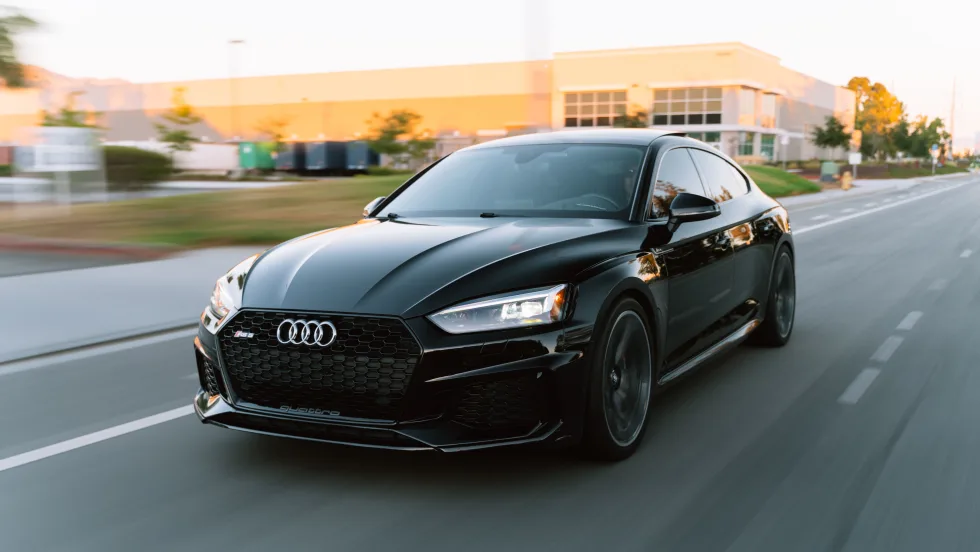
Audi Launches Subsidiary
The German automaker announced a new business model focused on recycling and reusing vehicles and parts and strengthening its supply chain.
Read More →
Philly Family Sells Stores
The Hills are exiting the automotive retail market after serving the Philadelphia area for more than 30 years.
Read More →
Automakers Must Switch Routes to Compete With China
An analysis of the ascendant players’ increasing market share and how they got there advises Western OEMs to follow a similar playbook to protect their businesses.
Read More →
Managing Expectations
Learn how proactive communication, setting clear expectations, and providing solutions when plans change can strengthen customer trust and improve the overall service experience.
Read More →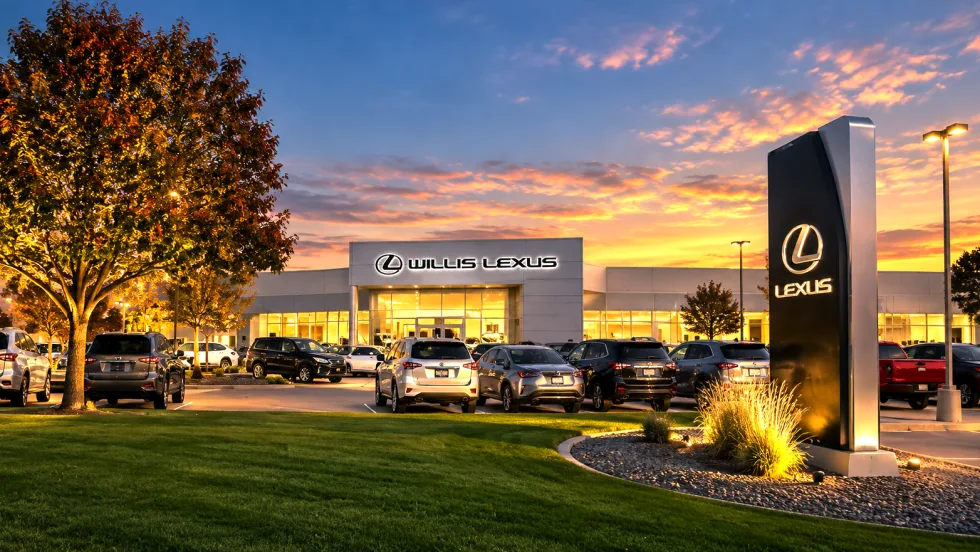
Hawkeye State Dealerships Trade Hands
One auto group and a single store sell as part of a recent deluge of U.S. buy-sell transactions making 2026 a hot M&A year.
Read More →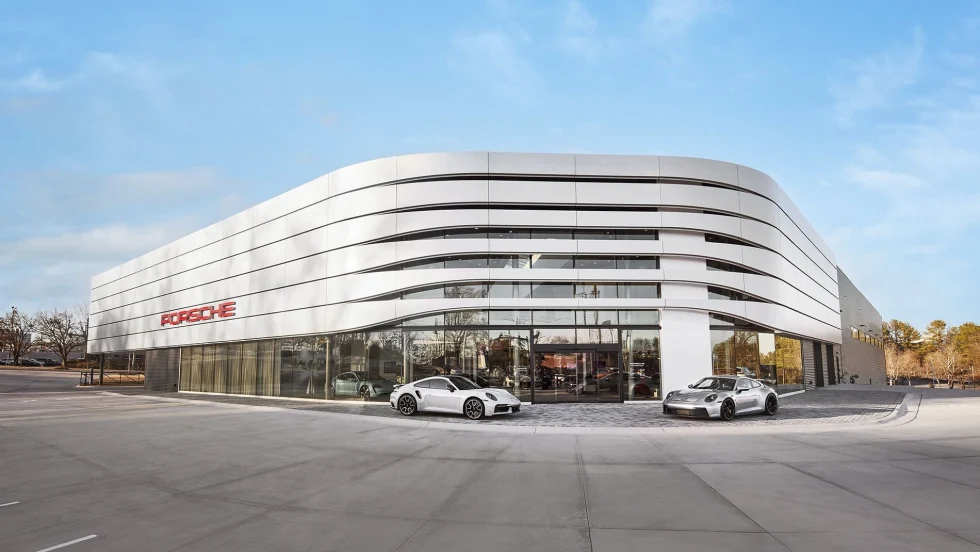
Mainstay Georgia Auto Group Sells
Acquisition by Group 1 extends its presence in the U.S. luxury retail market with the addition of the 10-store stable.
Read More →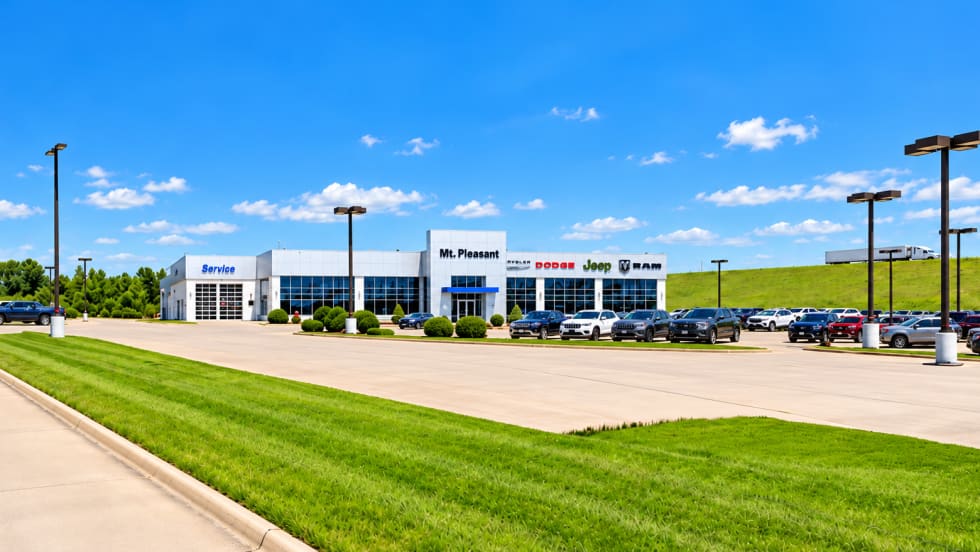
New Auto Group Enters the Market
The Iowa transaction involved a Chevrolet GMC Chrysler Dodge Jeep Ram rooftop.
Read More →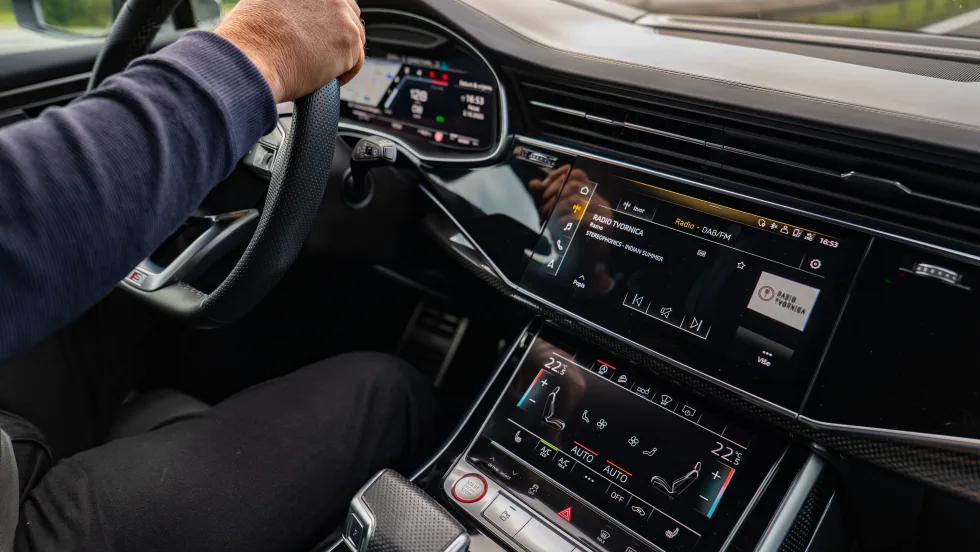
Connection Drives Consideration
Convenience and safety are top priorities for American drivers when it comes to connected vehicles and the services they expect with their next car.
Read More →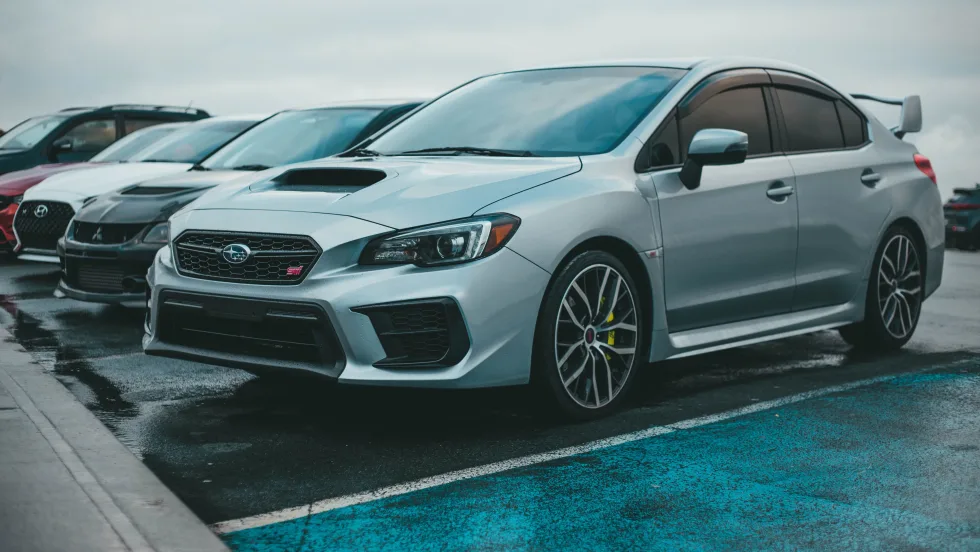
New-Vehicle Prices Stay Put
Affordability pressures and model availability shaped new-vehicle sales in September, according to an analysis by Kelley Blue Book.
Read More →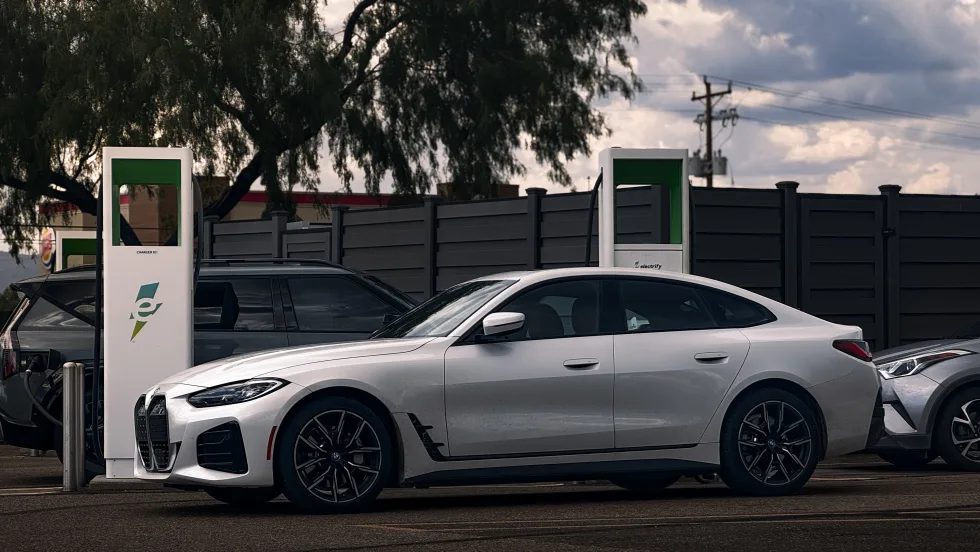
EV Buyer Consideration Shifts
What drives American consumers to purchase an electric vehicle is shifting as the question moves away from Should I?' to 'Which features and experience do I want to have?'
Read More →