
F&I Showroom Magazine

 MENU
MENU SEARCHMENUSEARCH
Loading data...

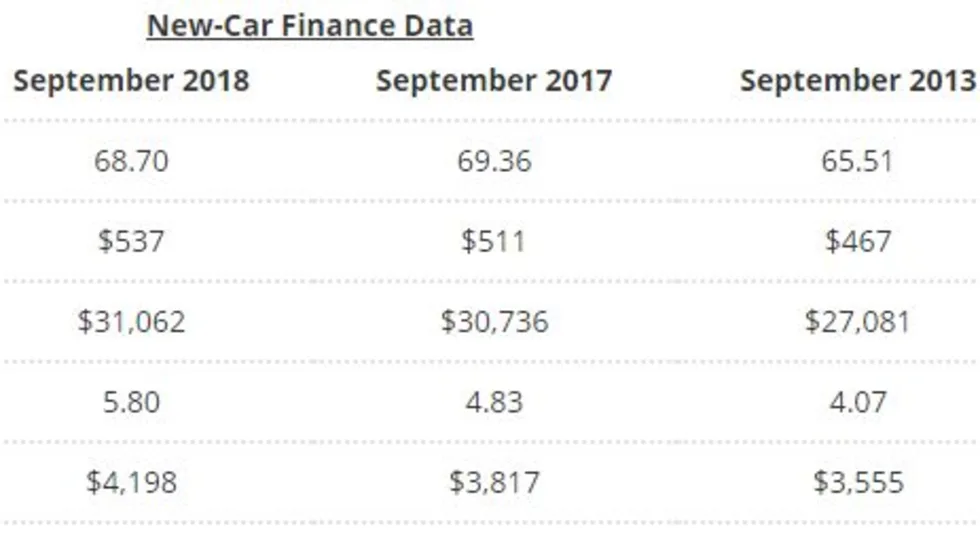
The average interest rate for a U.S. new-vehicle loan fell below 6% for the first time all year as automakers and dealers extended model-year selldown promotions.
Read More →



TransUnion analysts report more consumers in the prime and superprime credit tiers are choosing to buy used as off-lease units continue to flood the market, offering a budget-friendly alternative to increasingly expensive new cars.
Read More →U.S. dealers sold slightly fewer new vehicles last month than in May of 2018, but the annual forecast increased to 17.4 million units — thanks in no small part to strong fleet sales.
Read More →The annual forecast for U.S. light-vehicle sales fell to 16.41 million as volume fell 2.3% year-over-year in an April that was expected to bring the year’s first gain following an underwhelming first quarter.
Read More →Edmunds analysts say it keeps getting harder for shoppers to afford a new car as prices continue to rise and interest rates remain elevated.
Read More →Edmunds says the average APR for a U.S. new-vehicle loan was 6.36% in March, putting dealers and consumers on the cusp of a ‘dramatic shift’ toward the used-car market.
Read More →With September in the books, Edmunds reported this week that interest rates have stayed above 5% for eight months in a row and now mirror levels not seen since before the Great Recession.
Read More →Two years ago, zero percent finance deals accounted for 14.6% of transactions. Last month, they only accounted for 7.4%. Edmunds analysts point to higher interest rates as one of the reasons for the scarcity in zero percent finance deals in August.
Read More →Current market trends are playing right into the F&I product pitch, but they also reveal trouble ahead for the automotive retail industry at large.
Read More →June’s annual percentage rate of 5.82% marked a 17% increase since January 2018. Add rising rates to a virtually saturated U.S. market, record-high vehicle prices, and historically high numbers of people who owe more than their cars are worth, and the stage is set for a market contraction, the firm said.
Read More →