



CFPB Methodology Flawed, New Study Concludes
A new study released by the American Financial Services Association finds bias and high error rates in the CFPB's proxy methodology for determining disparate impact.
WASHINGTON — A comprehensive study of more than 8.2 million auto financing contracts found that the disparity alleged by the Consumer Financial Protection Bureau (CFPB) between the amount of dealer reserve charged to minorities and non-minorities is not supported by data.
The study, “Fair Lending: Implications for the Indirect Auto Finance Market,” was commissioned by the American Financial Services Association (AFSA) and conducted by Charles River Associates. It examined the proxy methodology used by the CFPB and found significant bias and high error rates.
“The AFSA’s results are much lower than what the CFPB alleges as problematic in the marketplace, because the association’s study factored in complexities of the automotive market that the CFPB did not consider, and errors associated with the CFPB methodology,” AFSA President & CEO Chris Stinebert said. “The interplay between factors such as geography, new versus used, length of loan, down payment, trade-in vehicle, credit score and competitive factors, such as meeting or beating a competing offer, is evidence of a dynamic market.”
Central to the study was an examination of the Bayesian Improved Surname Geocoding (BISG) proxy methodology used by the CFPB to determine disparate impact to legally protected groups.
BISG estimates race and ethnicity based on an applicant’s name and census data. The AFSA’s study calculated BISG probabilities against a test population of mortgage data, where race and ethnicity are known. Among the findings:
When the proxy uses an 80% probability that a person belongs to an African American group, the proxy correctly identified their race less than 25% of the time.
Applying BISG on a continuous method overestimates the disparities and the amount of alleged harm and provides no ability to identify which contracts are associated with the allegedly harmed consumers.
“Alleged pricing discrepancies between minorities and nonminorities for auto financing rates are simply not supported by data,” Stinebert said. “We have reviewed our study results with the CFPB and look forward to continuing our work with the bureau to address the issues we raised and to ensure consumers have access to affordable credit.”
More F&I

Why Your F&I PVR Is Misleading You
Here’s a handy checklist of the numbers to track in 2026 instead.
Read More →
Auto Consumer Anxiety Presents Opportunity
A survey of U.S. drivers found the majority are concerned about finances and the economy, but those fears make many ready to buy vehicle-protection products.
Read More →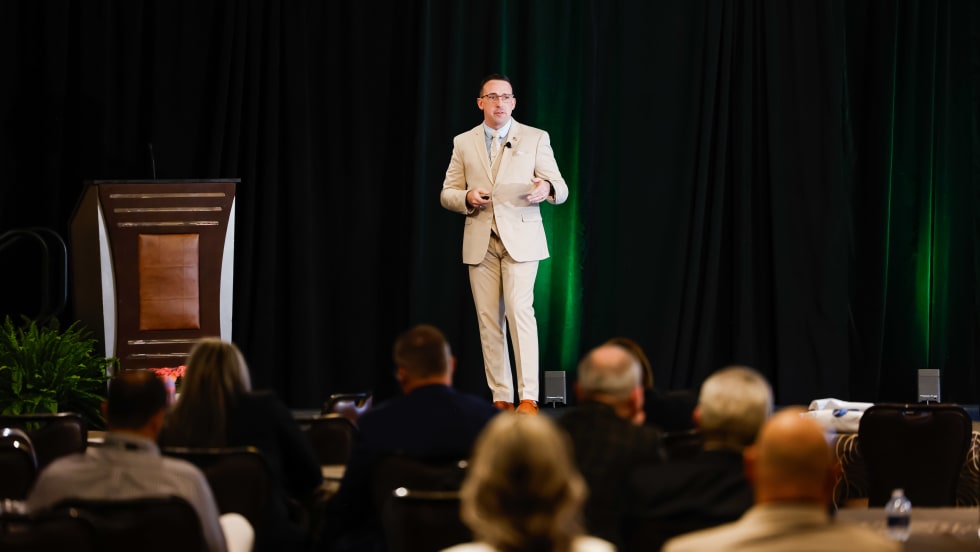
Humble and Hungry: 12 Rules for an F&I Life
Dustin Gingerich, with a decade in the F&I business under his belt, shares his thoughts on leadership, building trust with customers, and the importance of learning and innovation.
Read More →
Focus on the Opening
F&I managers must learn as much as possible about their customers, starting before they walk into their offices. The bulk of today’s consumers expect that, and good results will follow.
Read More →
F&I Reaches for the Sky
The increasingly important profit center continued making gains in the first quarter, according to StoneEagle data, ancillary products proving more popular as consumers hold onto their buys longer.
Read More →
Timing the Market Can Hurt Long-Term Program Performance
For dealer-owned reinsurance entities, avoiding volatility entirely can mean falling behind inflation and missing market rebounds that drive long term surplus growth. Missing just a handful of strong market days can materially impact cumulative returns—an important reminder for long horizon trust and investment strategies.
Read More →
The 90/10 Rule
In this video, Ryan Ruff explains the rule that elite sales professionals use to turn ordinary conversations into unforgettable customer experiences.
Read More →
Your Office Is Talking
What’s the atmosphere saying about you to your customers? You can make minor adjustments and additions that transform your space into one that creates trust with the people on the other side of the desk.
Read More →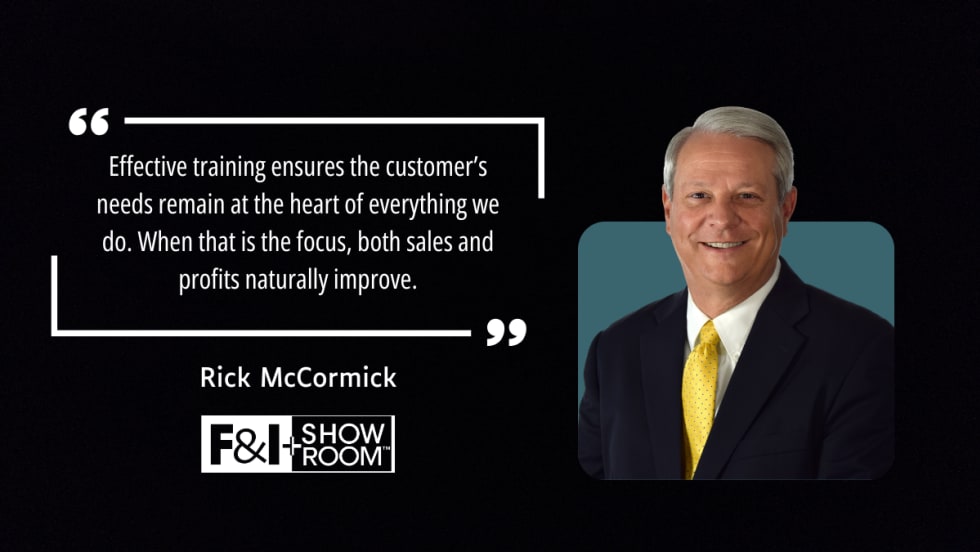
F&I Training Fundamentals
How can auto dealerships help F&I managers fulfill their vital role in the most effective ways? Industry expert Rick McCormick shares his insights on the best ways to train these professionals and help them maintain good habits.
Read More →
Not Just Any Tire Will Do
More consumers and businesses are opting for all-season options for various reasons as safety, sustainability and convenience push practical change.
Read More →