



GE Selling Hyundai Capital Shares to Hyundai, Kia
GE announced today that it has signed an agreement to sell its 23.3% stake in Hyundai Capital Services to Hyundai Motor Co. and Kia Motors. The announcement comes less than a month after it unloaded its transportation business unit to BMO Financial Group.
FAIRFIELD, Conn. — GE has signed an agreement to sell a 23.3% stake of Hyundai Capital Services to Hyundai Motor Company and Kia Motors as part of a broader deal to exit its entire 43.3% ownership of the consumer HCS. The transaction, which is subject to regulatory approval, represents aggregate GE ending net investment of approximately $900 million.
Hyundai Capital is an 11-year-old join venture between Hyundai Motor Co. and GE Capital. It provides consumer financial products, including auto financing, auto leasing services, personal loans and home mortgages.
“As we continue to sell most of the assets of GE Capital, we are working with our joint venture partners such as a Hyundai to find solutions that work best for all parties,” said Keith Sherin, GE Capital chairman and CEO. “We’re pleased that we were able to take this step toward a longer term strategy to fully exit our stakes in Hyundai Capital and Hyundai Card.”
As previously announced, GE is embarking on a strategy to focus on high-value industrial businesses and is selling most of GE Capital’s assets.
On Dec. 3, GE Capital unloaded its transportation finance business to BMO Financial Group. At closing, the business unit, which represents North American’s largest financier to the truck and trailer segment, had net earning assets of about $8.9 million.
When GE completes its sale of its HCS shares, the transaction will contribute approximately $600 million of capital to the overall target of approximately $35 billion of dividends expected to be paid to GE under this plan. The broader transaction is subject to customary regulatory approval and is expected to close in April 2016.
More F&I

Why Your F&I PVR Is Misleading You
Here’s a handy checklist of the numbers to track in 2026 instead.
Read More →
Auto Consumer Anxiety Presents Opportunity
A survey of U.S. drivers found the majority are concerned about finances and the economy, but those fears make many ready to buy vehicle-protection products.
Read More →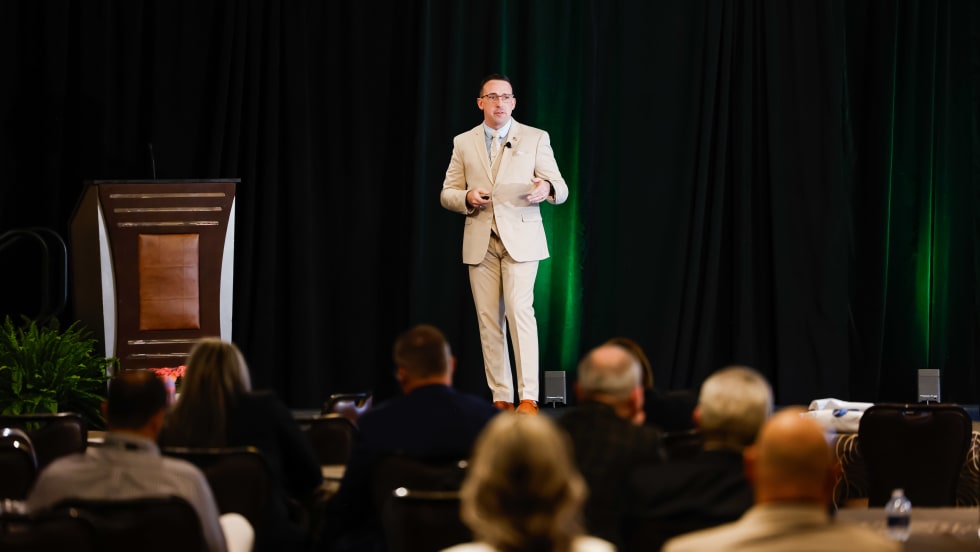
Humble and Hungry: 12 Rules for an F&I Life
Dustin Gingerich, with a decade in the F&I business under his belt, shares his thoughts on leadership, building trust with customers, and the importance of learning and innovation.
Read More →
Focus on the Opening
F&I managers must learn as much as possible about their customers, starting before they walk into their offices. The bulk of today’s consumers expect that, and good results will follow.
Read More →
F&I Reaches for the Sky
The increasingly important profit center continued making gains in the first quarter, according to StoneEagle data, ancillary products proving more popular as consumers hold onto their buys longer.
Read More →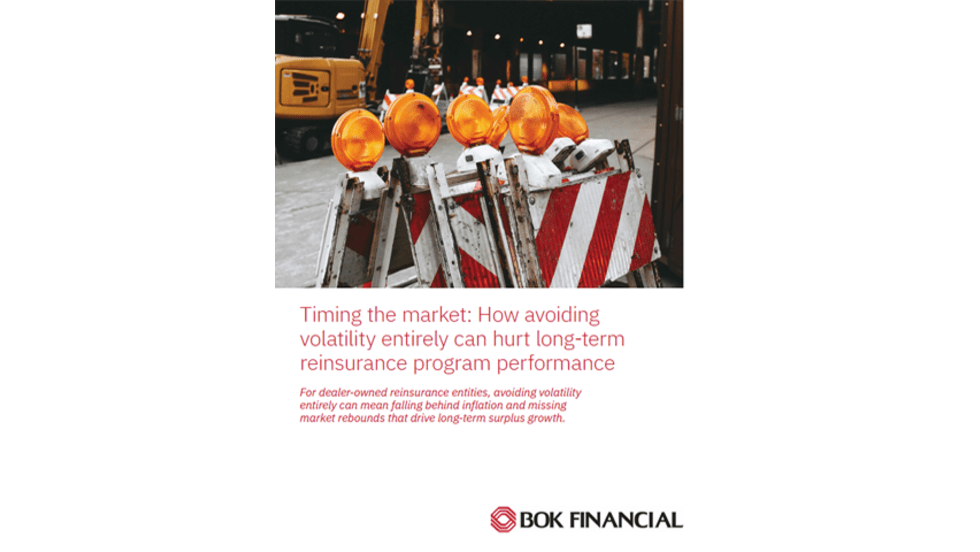
Timing the Market Can Hurt Long-Term Program Performance
For dealer-owned reinsurance entities, avoiding volatility entirely can mean falling behind inflation and missing market rebounds that drive long term surplus growth. Missing just a handful of strong market days can materially impact cumulative returns—an important reminder for long horizon trust and investment strategies.
Read More →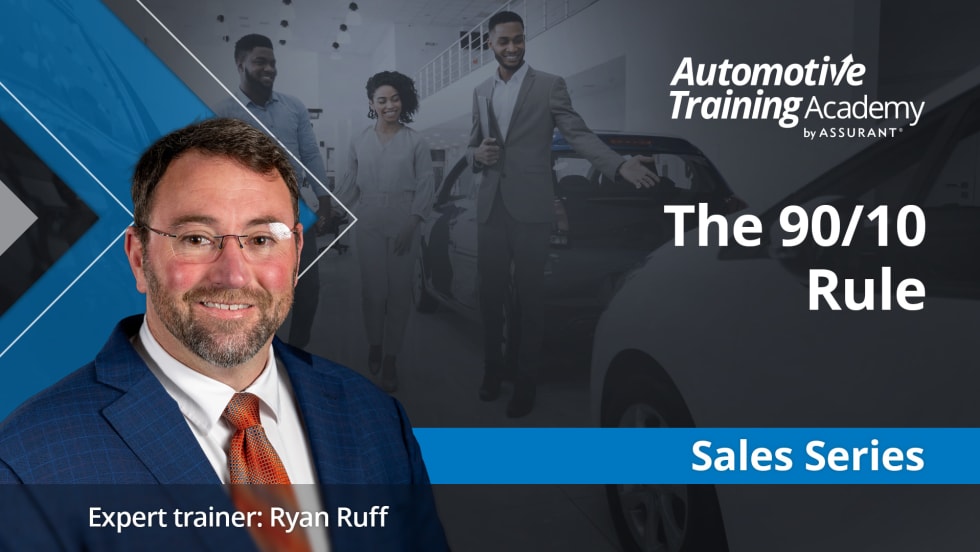
The 90/10 Rule
In this video, Ryan Ruff explains the rule that elite sales professionals use to turn ordinary conversations into unforgettable customer experiences.
Read More →
Your Office Is Talking
What’s the atmosphere saying about you to your customers? You can make minor adjustments and additions that transform your space into one that creates trust with the people on the other side of the desk.
Read More →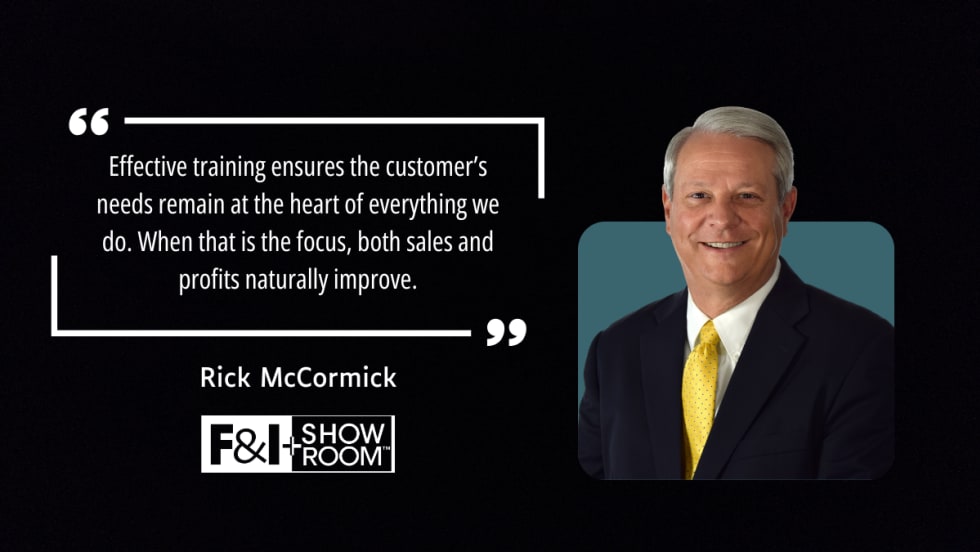
F&I Training Fundamentals
How can auto dealerships help F&I managers fulfill their vital role in the most effective ways? Industry expert Rick McCormick shares his insights on the best ways to train these professionals and help them maintain good habits.
Read More →
Not Just Any Tire Will Do
More consumers and businesses are opting for all-season options for various reasons as safety, sustainability and convenience push practical change.
Read More →