



Pew: CFPB Small-Dollar Rule ‘Would Not Adequately Protect Borrowers’
The Consumer Financial Protection Bureau’s small-dollar lending rule would neither adequately protect borrowers, nor address the risks created by the shift toward installment credit in the payday and auto title lending market, an analysis by Pew Charitable Trusts concludes.
WASHINGTON, D.C. — The Consumer Financial Protection Bureau’s proposed small-dollar lending rule would neither not adequately protect borrowers, nor address the risks created by the shift toward installment credit in the payday and auto title lending market, a new analysis concludes.
Conducted by Pew Charitable Trusts, the analysis outlines the reasons for the shift to installment lending, highlights the riskiest practices, and identifies actions the bureau can other policymakers can take to counter these harms. It also identifies four primary loan characteristics that harm consumers, including unaffordable payments, front-loaded fees, excessive durations, and unnecessary high prices.
“The CFPB proposed rule would require most small loans to be repayable in installments, which would represent a significant improvement, but that change alone is not enough to make these loans safe,” the nonprofit organization stated. “In 13 of the 39 states where they operate, payday and auto title lenders issue only high-cost, single-payment loans, but in the other 26, they are already making installment loans with annual percentage rates of 200% to 600%.
“These high-cost installment loans would still be permitted under the CFPB standards.”
The analysis identified four primary loan characteristics that harm consumers. They include unaffordable payments, front-loaded fees, excessive durations, and unnecessary high prices.
Pew’s brief, “From Payday to Small Installment Loans: Risks, Opportunities, and Policy Proposals for Successful Markets,” shows that unaffordable payments can lead to the same types of problems as convention payday loans, including frequent re-borrowing, heave use of overdrafts, and the need for a cash infusion to retire debt — issues the CFPB hoped to address when it proposed its rule this past June.
The brief also shows that large upfront origination fees “effectively penalize borrowers who repay early or refinance, while unreasonably long durations can double or triple borrowers’ costs.”
“Because payday and auto title lenders typically compete on location, customer service, and speed rather than on price, costs for these products, like conventional payday and auto title loans, are unnecessarily high, such as more than $1,000 in fees for a $500 loan,” the brief states, in part.
The brief also lists the following policy recommendations it says will address the four main challenges posed by installment loans:
Establish clear ability-to-repay standards, limiting loan payment to an affordable percentage of a borrower’s periodic income.
Allow only interest charges or monthly fees on the loan, and no other fees.
Require loan to have reasonable repayment durations.
Enact price limit and enable lower-cost providers, including banks and credit unions, to enter the small-dollar loan market.
“The payday loan market is rapidly shifting away from lump-sum lending toward installments, but 400% APR payday installment loans can be harmful, too,” said Nick Bourke, who directs Pew’s small-dollar loans project. “To protect consumers, the CFPB should add to clear product safety standards to its rule, such as limiting installment payments to 5% of a borrower’s paycheck. This safeguard would make exiting loans more affordable and enable banks to offer comparable small credit at prices six times lower than payday lenders, saving millions of borrowers billions of dollars annually.”
The CFPB’s notice of proposed rulemaking for small-dollar loans is open for public comment until Oct. 7. For more on the bureau’s proposal, click here.
More F&I

Why Your F&I PVR Is Misleading You
Here’s a handy checklist of the numbers to track in 2026 instead.
Read More →
Auto Consumer Anxiety Presents Opportunity
A survey of U.S. drivers found the majority are concerned about finances and the economy, but those fears make many ready to buy vehicle-protection products.
Read More →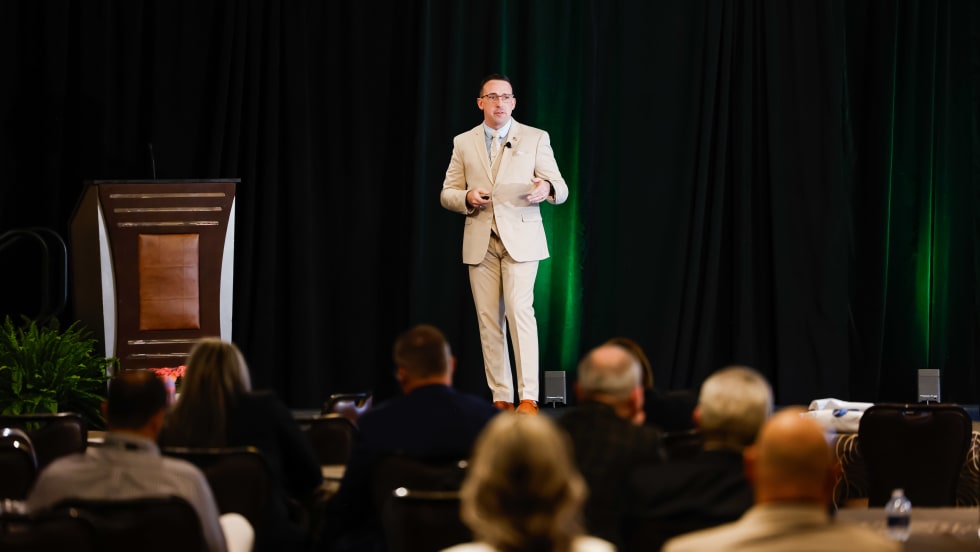
Humble and Hungry: 12 Rules for an F&I Life
Dustin Gingerich, with a decade in the F&I business under his belt, shares his thoughts on leadership, building trust with customers, and the importance of learning and innovation.
Read More →
Focus on the Opening
F&I managers must learn as much as possible about their customers, starting before they walk into their offices. The bulk of today’s consumers expect that, and good results will follow.
Read More →
F&I Reaches for the Sky
The increasingly important profit center continued making gains in the first quarter, according to StoneEagle data, ancillary products proving more popular as consumers hold onto their buys longer.
Read More →
Timing the Market Can Hurt Long-Term Program Performance
For dealer-owned reinsurance entities, avoiding volatility entirely can mean falling behind inflation and missing market rebounds that drive long term surplus growth. Missing just a handful of strong market days can materially impact cumulative returns—an important reminder for long horizon trust and investment strategies.
Read More →
The 90/10 Rule
In this video, Ryan Ruff explains the rule that elite sales professionals use to turn ordinary conversations into unforgettable customer experiences.
Read More →
Your Office Is Talking
What’s the atmosphere saying about you to your customers? You can make minor adjustments and additions that transform your space into one that creates trust with the people on the other side of the desk.
Read More →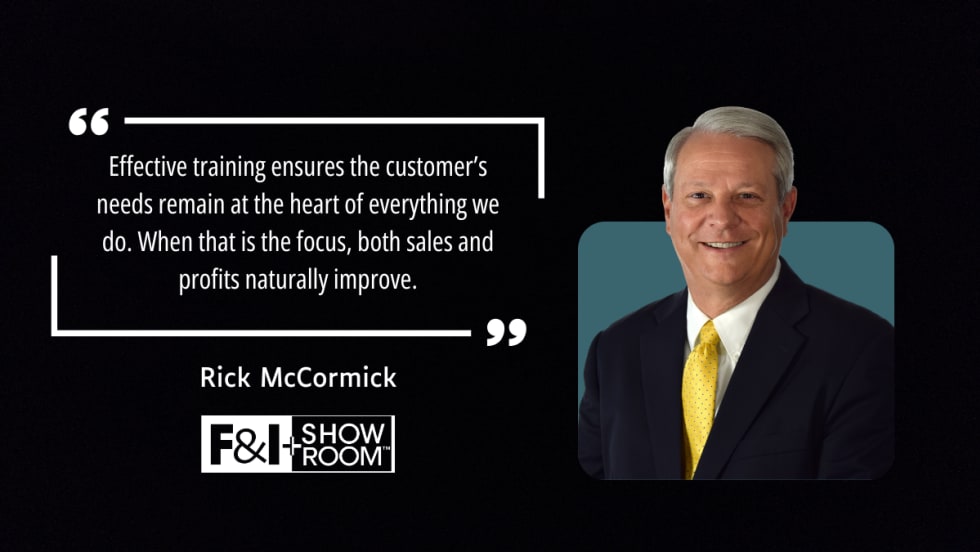
F&I Training Fundamentals
How can auto dealerships help F&I managers fulfill their vital role in the most effective ways? Industry expert Rick McCormick shares his insights on the best ways to train these professionals and help them maintain good habits.
Read More →
Not Just Any Tire Will Do
More consumers and businesses are opting for all-season options for various reasons as safety, sustainability and convenience push practical change.
Read More →