



RouteOne Adds Automated Booking to Toyota Financial's e-Contracting Tool
Dealers using both RouteOne and Toyota Financial Services (TFS) will now be able to book TFS electronic contracts through a completely automated process, according to a RouteOne announcement.
FARMINGTON HILLS, Mich. — Dealers using both RouteOne and Toyota Financial Services (TFS) will now be able to book TFS electronic contracts through a completely automated process, according to a RouteOne announcement.
The technology — called Straight-Through Processing — will offer dealers faster funding by alleviating the need for a manual review of contracts. Dealers should also see a reduction of required documentation, the company added.
“As consumer expectations and e-contracting adoption both continue to rise, we are dedicated to delivering enhancements to our product line that ensure the utmost efficiency for our dealers, finance source partners, and most importantly their consumer,” said RouteOne CEO Justin Oesterle. “We are pleased to partner with TFS to bring Toyota dealers the technology powering Straight-Through Processing, which accomplishes these goals with the automation of previously manual processes.”
Straight-Through Processing is available for new, retail electronic contracts that originate from a RouteOne-generated credit application and meet TFS-specified contract and purchase criteria. The best deals to use Straight-Through Processing for, the company noted, are those involving well-qualified buyers.
“Our mission is to provide Always Better Service to consumers and to our dealer partners,” said Mike Wells, Toyota Financial Services Group vice president of sales and marketing. “Straight-Through Processing streamlines and expedites key aspects of funding, leading to a better experience for consumers and dealers while freeing our team members to work on other critical functions.”
More F&I

Why Your F&I PVR Is Misleading You
Here’s a handy checklist of the numbers to track in 2026 instead.
Read More →
Auto Consumer Anxiety Presents Opportunity
A survey of U.S. drivers found the majority are concerned about finances and the economy, but those fears make many ready to buy vehicle-protection products.
Read More →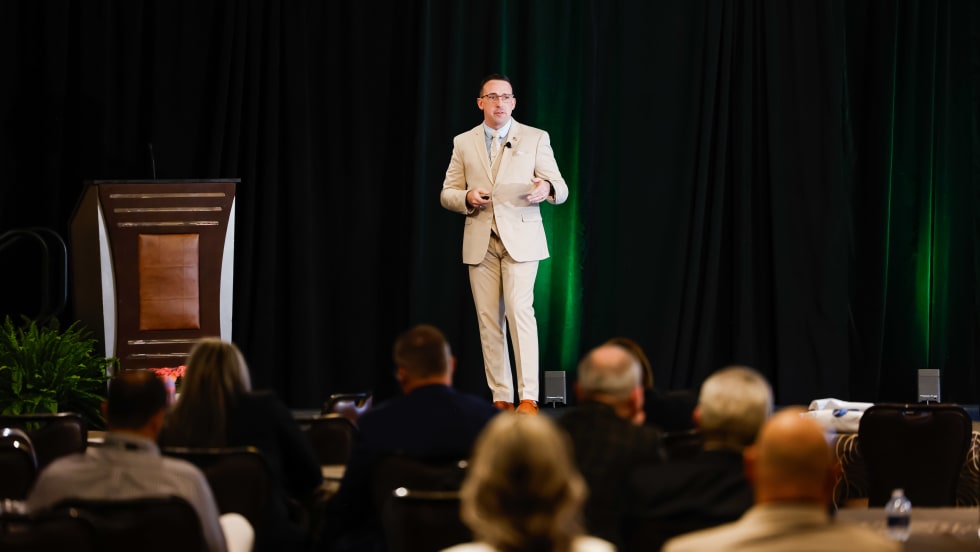
Humble and Hungry: 12 Rules for an F&I Life
Dustin Gingerich, with a decade in the F&I business under his belt, shares his thoughts on leadership, building trust with customers, and the importance of learning and innovation.
Read More →
Focus on the Opening
F&I managers must learn as much as possible about their customers, starting before they walk into their offices. The bulk of today’s consumers expect that, and good results will follow.
Read More →
F&I Reaches for the Sky
The increasingly important profit center continued making gains in the first quarter, according to StoneEagle data, ancillary products proving more popular as consumers hold onto their buys longer.
Read More →
Timing the Market Can Hurt Long-Term Program Performance
For dealer-owned reinsurance entities, avoiding volatility entirely can mean falling behind inflation and missing market rebounds that drive long term surplus growth. Missing just a handful of strong market days can materially impact cumulative returns—an important reminder for long horizon trust and investment strategies.
Read More →
The 90/10 Rule
In this video, Ryan Ruff explains the rule that elite sales professionals use to turn ordinary conversations into unforgettable customer experiences.
Read More →
Your Office Is Talking
What’s the atmosphere saying about you to your customers? You can make minor adjustments and additions that transform your space into one that creates trust with the people on the other side of the desk.
Read More →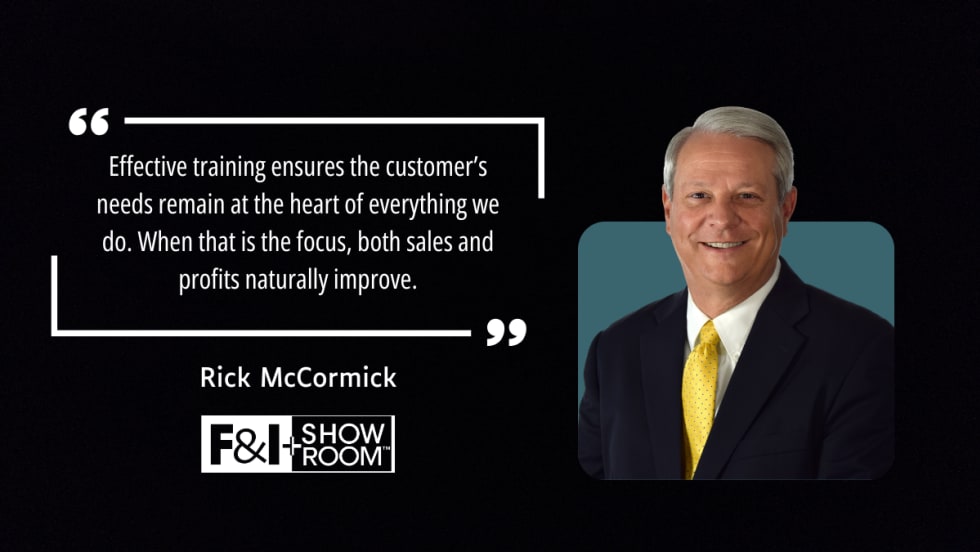
F&I Training Fundamentals
How can auto dealerships help F&I managers fulfill their vital role in the most effective ways? Industry expert Rick McCormick shares his insights on the best ways to train these professionals and help them maintain good habits.
Read More →
Not Just Any Tire Will Do
More consumers and businesses are opting for all-season options for various reasons as safety, sustainability and convenience push practical change.
Read More →