


J.D. Power: Consumers Find New Vehicles More Appealing Than Ever
The latest edition of J.D. Power’s APEAL Index shows a nine-point increase from last year’s report.
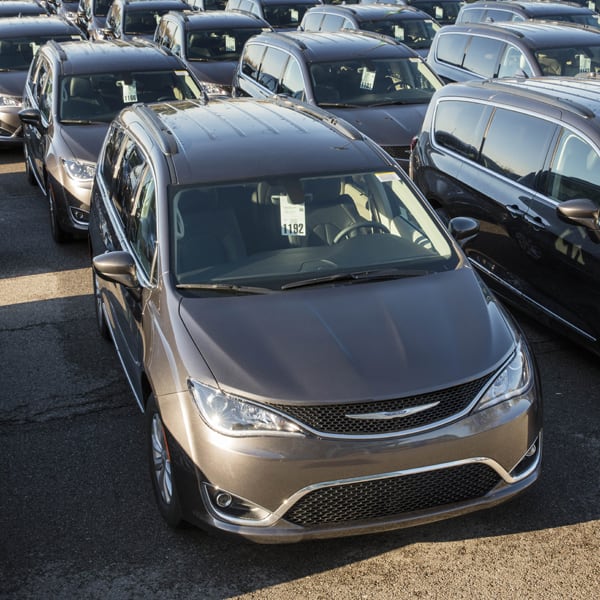
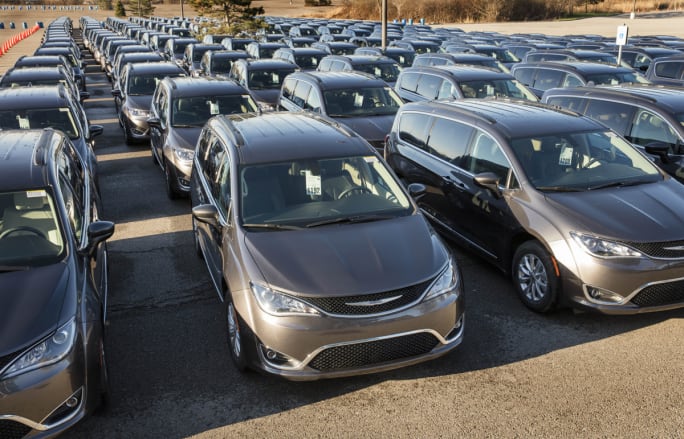
The all-new 2017 Chrysler Pacifica was the highest-ranked minivan in J.D. Powers’ latest rankings of new-vehicle appeal. Photo courtesy Fiat Chrysler Automobiles
DETROIT — Car owners’ love affair with new vehicles is stronger than ever, as evidenced by a nine-point increase in the APEAL index from last year — tied for the largest gain ever — according to the J.D. Power 2017 U.S. Automotive Performance, Execution and Layout (APEAL) Study released today.
In this year’s study, the industry average APEAL index increases to 810 points (on a 1,000-point scale), propelled by significantly better scores in nine of the 10 categories measured and 19 of the 32 brands in the study making positive gains compared with 2016.
“Many automakers are getting better and better at giving consumers what they want in a vehicle,” said Dave Sargent, vice president of global automotive at J.D. Power. “The industry is doing a very good job of creating vehicles customers like across every segment, and the APEAL study identifies why this is. One clear reason is that nonpremium vehicles are increasingly offering technology and safety features found in premium vehicles.”
Some of the study’s key findings include:
Premium and mass market brands are getting closer. The average APEAL index score for the non-premium segment (804) improves by 10 points year-over-year, while the premium segment (845) improves by a single point. The gap between the two segments has narrowed to an all-time low of 41 points.
Some vehicles deliver outstanding levels of APEAL as well as IQS. Eight models receiving APEAL segment awards also receive awards in the J.D. Power 2017 U.S. Initial Quality Study: BMW 2 Series, Chrysler Pacifica, Kia Cadenza, Kia Niro, Kia Soul, MINI Cooper, Porsche 911, and Porsche Macan. The all-new Genesis brand ranks second in both APEAL and IQS this year, while Porsche ranks top in APEAL and third in IQS.
“Manufacturers are making ever-higher quality vehicles, but this is not coming at the expense of performance, styling, utility or features,” Sargent added.
Porsche ranks highest in overall "APEAL" for the 13th consecutive year, with an index score of 884. Genesis ranks second overall (869) followed by BMW (855), Audi (854) and Mercedes-Benz (851).
Chrysler is the most improved brand (815), with a 41-point improvement from 2016. Other brands with strong improvements include MINI (30 points), Nissan (27) and Honda (25).
To read the full results of J.D. Powers’ study, click here.
More Showroom
New Vehicles Down for Most Brands
Healthy May sales cut into inventory as automakers kept a tight reign on supply, though some brands ended the month with excess units on the ground.
Read More →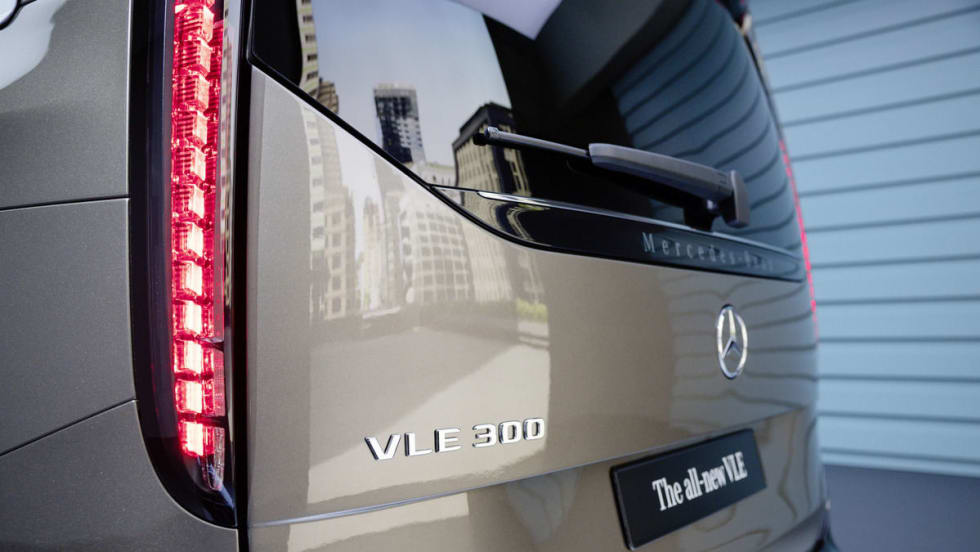
Auto Prices Ride May Moderation
Flat ATPs and asking prices clocked in below long-term averages for the month, though some segments saw significant price gains, reported Cox Automotive.
Read More →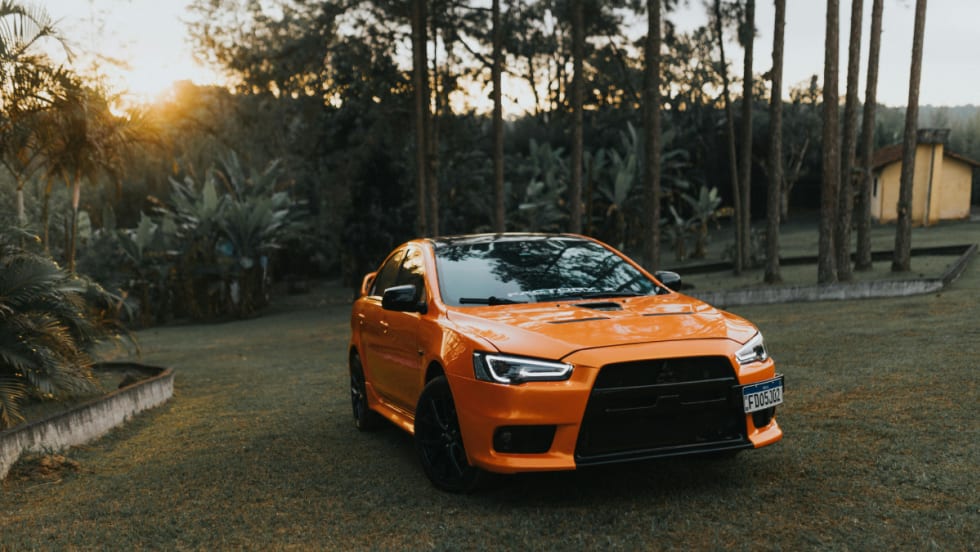
Mitsubishi Sets Growth Strategy, Structural Transformation
The Japanese automaker aims to 'strengthen products and technologies that embody its brand identity,' focus on its strongest markets and expand value-chain businesses 'that leverage its unique strengths.'
Read More →
Affordable, Safe Cars for Teen Drivers
Families looking to balance affordability and safety in vehicles for their teen drivers can look to the updated list of recommended vehicles by IIHS and Consumer Reports.
Read More →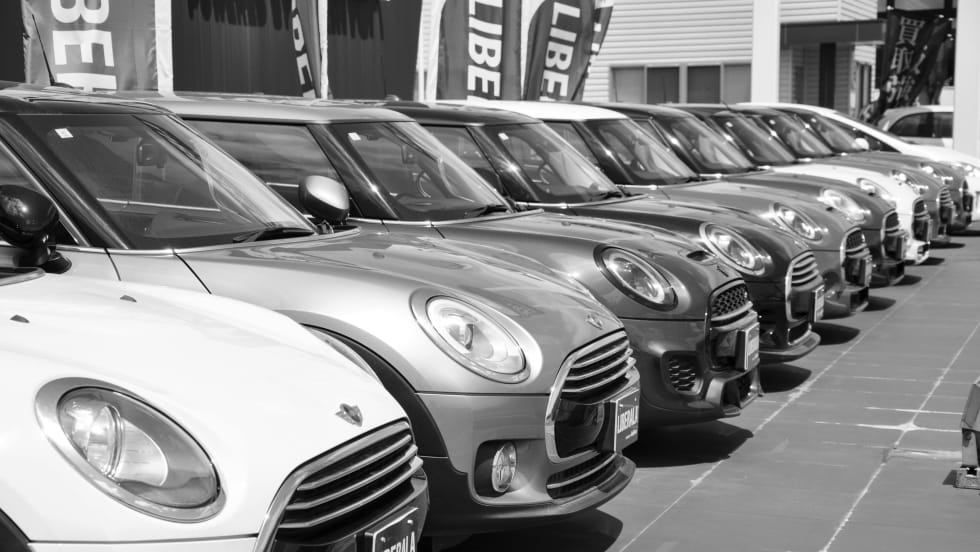
Auto Dealers Feel Better But Not Great
A second-quarter Cox Automotive poll of franchised retailers and independents found better views of the current market after a good spring but anticipation of third-quarter storminess.
Read More →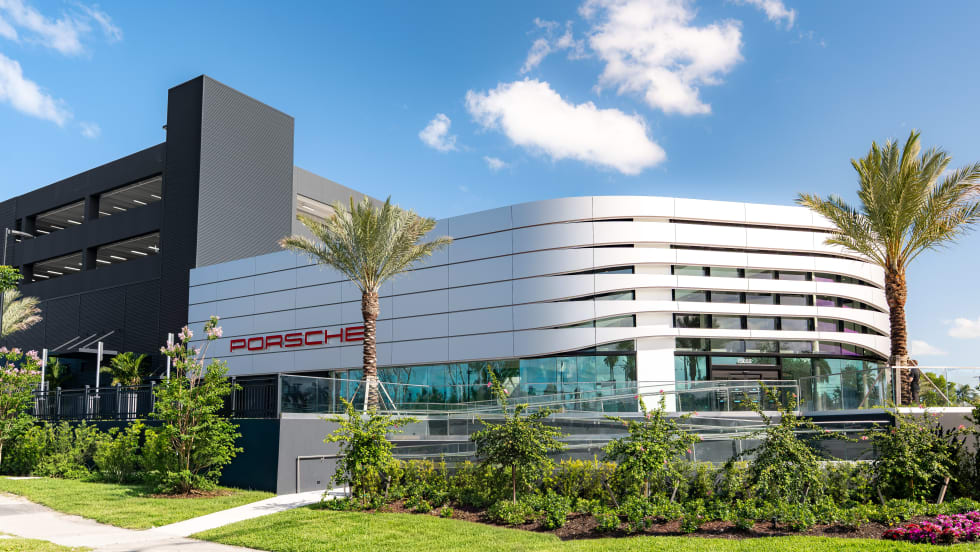
Holman Opens Porsche Dealership in Miami
The North Miami store features the brand’s signature Destination Porsche design concept, combining contemporary architecture and technology to create what the auto group calls an ultra-luxury experience.
Read More →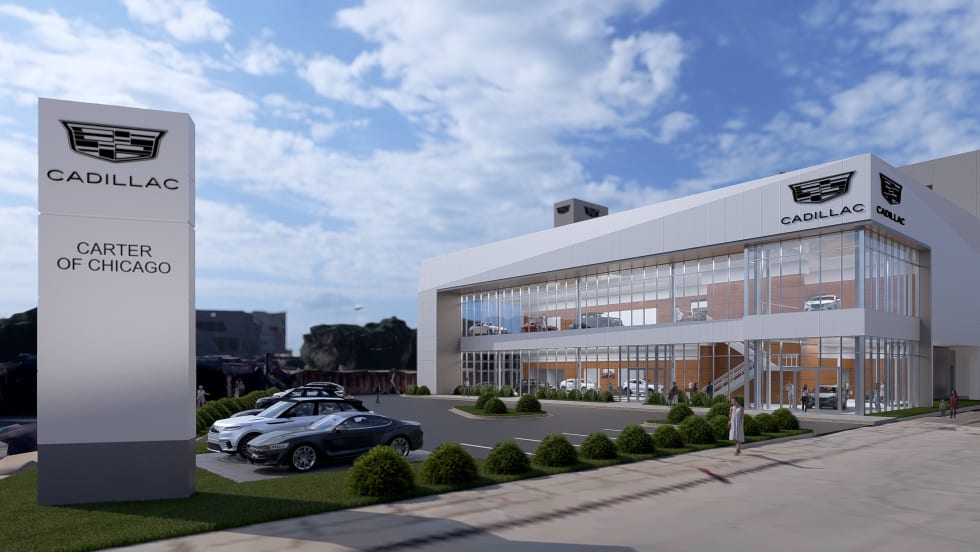
Chicago to Gain Cadillac Rooftop in 2027
The two-story Cadillac dealership is being constructed at the former Lincoln Yards site, owned and operated by Canada-based Jack Carter Auto Group.
Read More →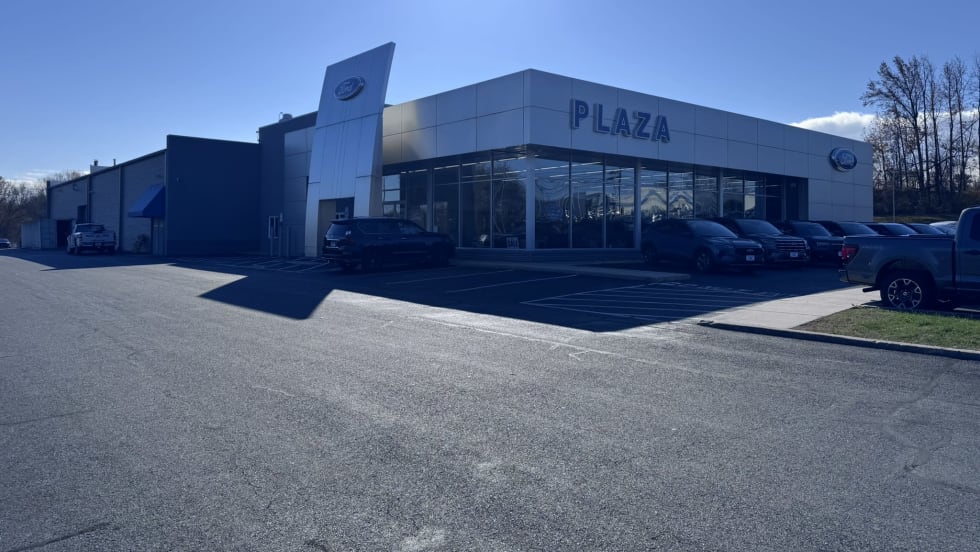
Mid-Atlantic Ford Store Has New Owner
A growing Maryland automotive group is only the 93-year-old dealership’s third owner after its longtime proprietors retired.
Read More →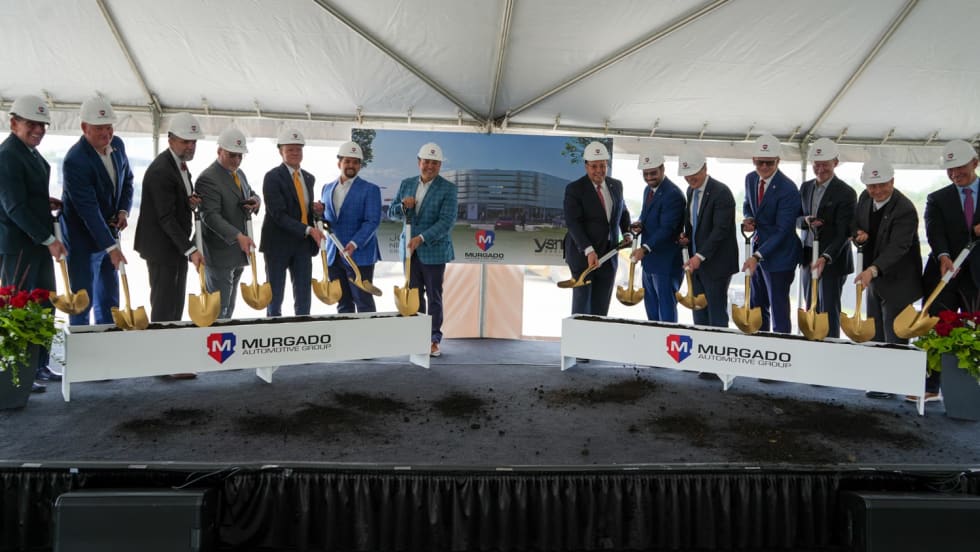
Porsche Dealership Breaks Ground in Illinois
Barrington Porsche will be the new location for Murgado Automotive Group’s existing Porsche dealership currently in the Motor Werks of Barrington auto mall.
Read More →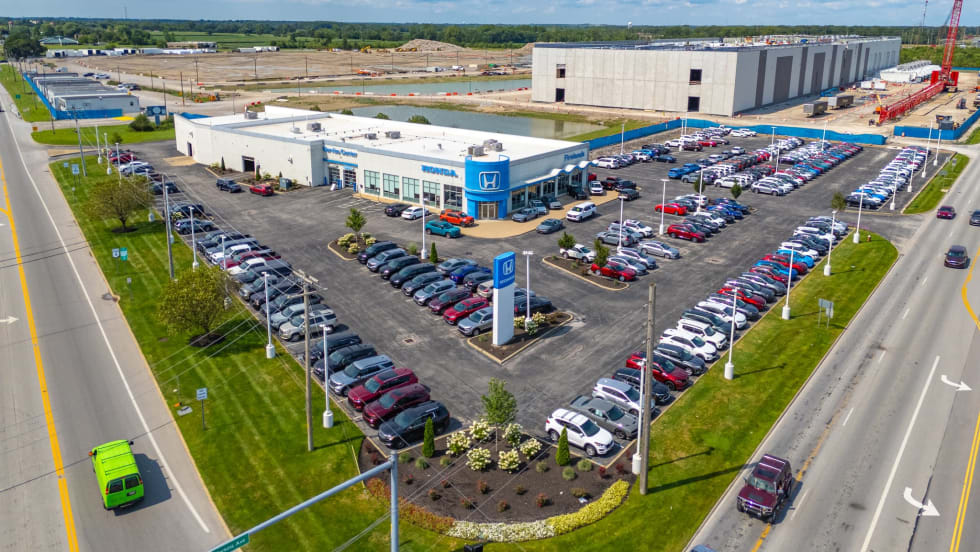
Michigan Auto Group Acquires Ohio Rooftops
Feldman Automotive Group added two new brands, Honda and Toyota, to its portfolio with its latest acquisition of four Fireside dealerships in Ohio.
Read More →