



Ford Engineers Tinker With EV Cost, Range
The automaker says its California skunk works is already finding efficiencies to lighten traditionally heavy electric vehicles for lower cost, plus extended range.

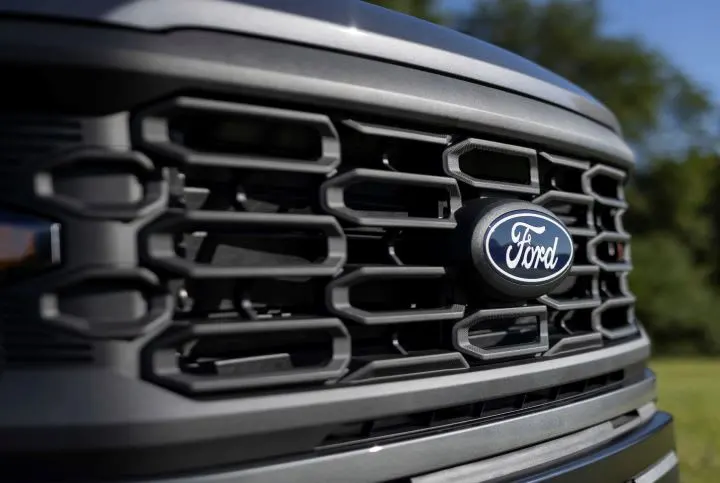
Ford
Ford says it’s working to lighten its electric vehicles without sacrificing power, akin to what the turbocharger did for gas models.
The automaker shared the peek into its developing universal EV platform taking shape at Ford’s Southern California-based skunk works.
Ford announced the effort last August, saying it was transforming its EV assembly line process for greater efficiency and smaller plants, along with more affordable models.
One of the company’s main areas of focus has been the EV battery, which it said can comprise up to 40% of its cost and more than a quarter of its weight. At the same time, U.S. consumers say they want more range between charges, presenting a challenge for automakers.
Ford said its researchers have been attacking the problem from a different angle.
“Our big bet for electric vehicles? Obsessing over the vehicle as a system to get more miles out of a smaller battery and radically simplifying the system to reduce the number of parts so we can deliver a new family of affordable electric vehicles to driveways around the world,” the automaker said.
Ford’s first product to be made on what it’s calling the Universal EV Platform, a midsize pickup truck, is scheduled to debut next year.
The approach to finding cost efficiencies has already shaved 22 pounds off the platform’s first-generation vehicle by cutting its wire harness by 4,000 feet, Ford said.
“Other companies will claim that they've tried much of this before. But physics isn’t proprietary. We're creating a truly integrated electric vehicle platform, not a single part that can be easily copied,” ,” Ford said.
“If we succeed, we will have a family of vehicles that we expect to compete on price with the best in the world, including gas vehicles.”
More Showroom

New Cars Less Affordable
Buying conditions eroded for American shoppers last month due to inflation and interest rates, though they fared better than a year ago.
Read More →
October Sales Divided
Inventory trends split between the new- and used-vehicle markets, though prices continued to rise for both in October.
Read More →
Auto Transaction Prices Hit New Height
October sales of big, pricey models push up the average, even as budget-conscious consumers snag more economical options.
Read More →
Making the Safe Choice
Kelley Blue Book has turned households with teen drivers onto safe and affordable options for their vehicles of choice
Read More →
Inventory Holds Steady
September new-vehicle inventory rose slightly month-over-month, but dealer lots are laden with MY2026 vehicles as the typical model year changeover trudges along.
Read More →
October Auto Sales Fall With the Leaves
A forecast anticipates retail deliveries are down this month as consumers continue to face cost challenges, though more are tapping long loans in order to buy.
Read More →
California Sees Quarterly Gains
California’s new-vehicle market saw a boost in hybrids in the third quarter and its first overall quarterly market gain of the year.
Read More →
New-Vehicle Prices Stay Put
Affordability pressures and model availability shaped new-vehicle sales in September, according to an analysis by Kelley Blue Book.
Read More →
EV Buyer Consideration Shifts
What drives American consumers to purchase an electric vehicle is shifting as the question moves away from Should I?' to 'Which features and experience do I want to have?'
Read More →
Year-to-Date Auto Sales Holding Their Own
A forecast through August shows that automakers have shifted strategies to keep deliveries and revenues up despite tariffs and other economic challenges.
Read More →