The latest edition of Urban Science’s Franchise Activity Report predicts a stable dealer network will produce reduced per-store sales following a period of stability.
by Staff
August 14, 2017
2 min to read
The latest Franchise Activity Report from Urban Science indicates fewer per-store sales as overall volume decreases and the dealer network remains stable. Photo by Jo Jakeman
DETROIT — Statistics and insights compiled in Urban Science’s mid-year Automotive Franchise Activity Report indicate continued stability in the number of automotive dealerships in the United States, presaging a fall in per-store sales.
As of July 1, there were 18,199 rooftops, a 0.2% increase from the 18,170 dealerships recorded in January. The number of brands a dealership sells also experienced a period of stability, slightly increasing from 32,012 on January 1 to 32,046 as of July 1.
Ad Loading...
“Over the last several years, the dealership network has set a new normal pattern of stability,” wrote Mitch Phillips, Urban Science’s global director of data. “The data shows that 98% of local markets had virtually no net change (+/- one dealership). That said, the most significant (net) dealership increases occurred in Texas, nine dealerships; Florida, seven dealerships; Pennsylvania, six dealerships; Missouri, five dealerships; and Ohio, four dealerships. An interesting observation is California and New York, both typically on the most active list, are no longer included on the most active list, demonstrating a period of stability.”
Defining “sales throughput” as number of sales divided by dealer count, Phillips expects sales to decline on a store-by-store basis.
“With a stable dealer count, the throughput record is controlled by the sales volume,” he wrote. “With the current range of 2017 sales forecasts being less than 2016, throughput is forecasted to fall around 25 units to 940 units.”
Building on a previously announced $26 billion U.S. investment, Hyundai said it will grow its North American lineup and U.S.-based production and parts sourcing.
Sony-Honda venture cancels two planned models, the first of which had been pegged for a mid-2026 California delivery debut. The brand’s direct sales had been challenged by the state’s auto dealers, but the venture cites Honda’s EV retreat.
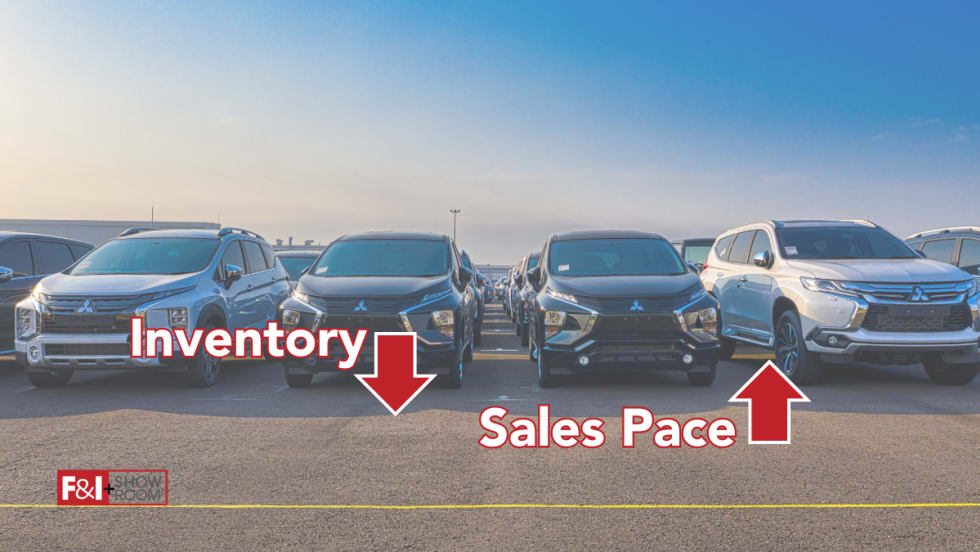
Softening prices, rising credit availability and higher tax refunds could be behind February’s sales pace rise and accompanying dip in inventory, according to Cox Automotive.
The agency sent warning letters to dozens of auto groups about what it described as illegal practices and urged them to ensure their pricing policies enable transparency with consumers.
New-vehicle sales fell year-over-year for the fifth month in a row in February, making retail deliveries the slowest they’ve been since 2023, according to a CarGurus report.
The automaker says its California skunk works is already finding efficiencies to lighten traditionally heavy electric vehicles for lower cost, plus extended range.
GM says it sells the cheapest electric vehicle in the U.S. market. It explains how it made improvements to the entry-level EV while keeping its price down.