



TCF Exits Indirect Auto Finance Business
The bank’s announcement comes seven months after it rolled out a new strategy designed to increase earnings predictability. The company’s chief executive said the bank’s decision was based on a less favorable financial outlook for the indirect auto origination business.
WAYZATA, Minn. — Seven months after announcing plans to reduce auto originations and shift to an originate-to-hold model to increase earnings predictability, TCF Financial Corp. said on Monday it would discontinue all indirect auto loan originations on Dec. 1.
As a result of the decision, Gateway One Lending & Finance LLC, which the bank acquired in November 2011, will transition exclusively to servicing loans on TCF’s balance sheet. A company spokesperson said existing borrowers might continue to see the Gateway name on their statements and documentation, but the finance source will no longer be going to market to dealers.
“After a thorough review of our businesses by our executive management team and board of directors, we determined that the financial outlook of the indirect auto loan origination business was less favorable compared to alternative uses of capital,” said Craig R. Dahl, chairman and CEO. “As a result, we believe this is the appropriate time to discontinue originating indirect auto loans. While the business performed as expected under the new direction we set earlier in the year, we believe there are better opportunities to deploy our capital and earn a higher return for our shareholders.”
During the bank’s first-quarter investor call in April, Dahl said the bank was looking to reduce originations by 30% to 40% and tightened credit underwriting standards under a new strategy designed to increase profitability for its auto finance business.
In the third quarter, originations were down 44.5% year over year, with the bank’s auto portfolio accounting for only 17% of its total loan and lease portfolio. The company’s average FICO score for its auto portfolio sat around 716 — evidence of the bank’s move to more nearprime paper. Executives indicated TCF also nearly exited the auto ABS entirely during the second quarter.
Dahl also told investors back in April the company was looking to optimize expenses across all functions of the bank’s auto business, including reducing headcount by approximately 200 employees this year.
“We have confidence in the management team to execute on the new strategy and we look forward to our strategic change having a positive impact on the organization moving forward,” he said during the webcast, which took place a month after the company announced leadership and strategy changes at its Gateway One Lending & Auto Finance subsidiary.
In March, the bank named Todd A. Pierson president and Andrew B. Strum COO. It also announced a new chapter for its Anaheim, Calif.-based subsidiary.
A company spokesman said Pierson is no longer with the company. As for other staffers, he said decisions will be based on the “anticipated needs of the business as we focus on servicing our existing portfolio.” He declined to provide specifics as to the total number of affected employees.
“At a high level, the majority of the employees in the front end of the business will be affected — particularly in sales, credit, underwriting, and funding,” the spokesman noted in an email to F&I and Showroom. “The servicing organization will remain intact as we continue to service the existing portfolio.”
As a result of its exit from the indirect auto finance channel, TCF expects a one-time, after-tax charge of $73.4 million for goodwill and other intangibles, and an after-tax restructuring charge of between $7 million and $12 million for items such as severance, asset impairment and lease termination write-offs.
“We are confident that the actions we are taking will meaningfully improve our return on capital and earnings per share in 2018,” Dahl said. “We remain committed to making decisions that will drive shareholder value moving forward.”
More F&I

Why Your F&I PVR Is Misleading You
Here’s a handy checklist of the numbers to track in 2026 instead.
Read More →
Auto Consumer Anxiety Presents Opportunity
A survey of U.S. drivers found the majority are concerned about finances and the economy, but those fears make many ready to buy vehicle-protection products.
Read More →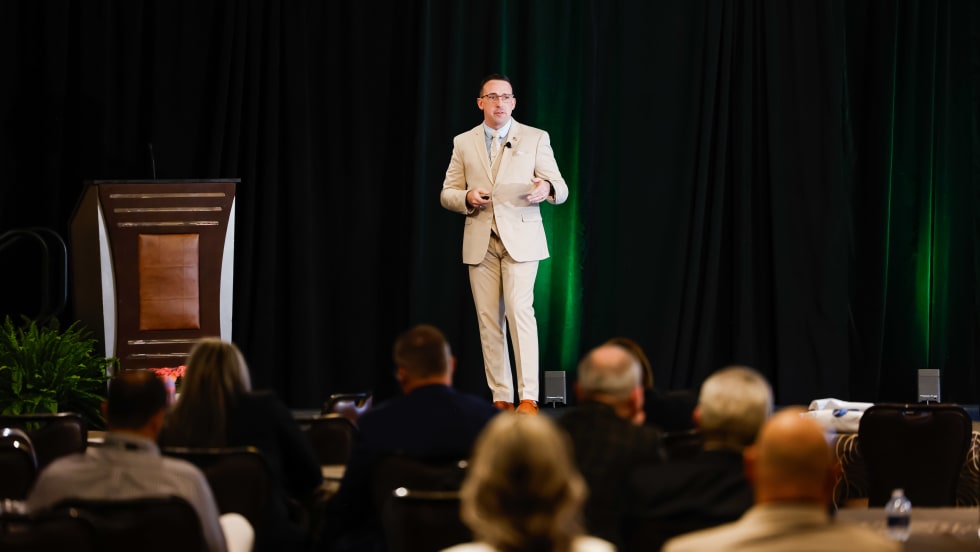
Humble and Hungry: 12 Rules for an F&I Life
Dustin Gingerich, with a decade in the F&I business under his belt, shares his thoughts on leadership, building trust with customers, and the importance of learning and innovation.
Read More →
Focus on the Opening
F&I managers must learn as much as possible about their customers, starting before they walk into their offices. The bulk of today’s consumers expect that, and good results will follow.
Read More →
F&I Reaches for the Sky
The increasingly important profit center continued making gains in the first quarter, according to StoneEagle data, ancillary products proving more popular as consumers hold onto their buys longer.
Read More →
Timing the Market Can Hurt Long-Term Program Performance
For dealer-owned reinsurance entities, avoiding volatility entirely can mean falling behind inflation and missing market rebounds that drive long term surplus growth. Missing just a handful of strong market days can materially impact cumulative returns—an important reminder for long horizon trust and investment strategies.
Read More →
The 90/10 Rule
In this video, Ryan Ruff explains the rule that elite sales professionals use to turn ordinary conversations into unforgettable customer experiences.
Read More →
Your Office Is Talking
What’s the atmosphere saying about you to your customers? You can make minor adjustments and additions that transform your space into one that creates trust with the people on the other side of the desk.
Read More →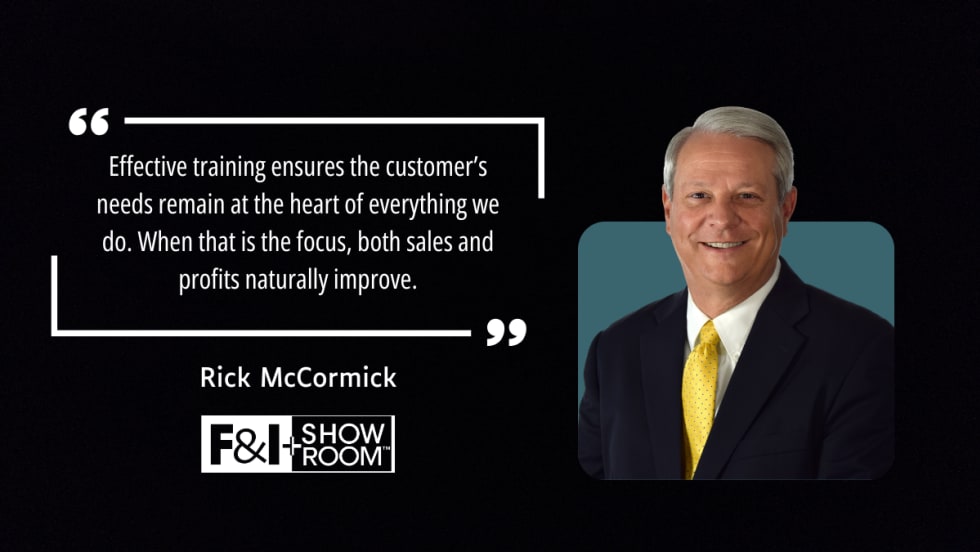
F&I Training Fundamentals
How can auto dealerships help F&I managers fulfill their vital role in the most effective ways? Industry expert Rick McCormick shares his insights on the best ways to train these professionals and help them maintain good habits.
Read More →
Not Just Any Tire Will Do
More consumers and businesses are opting for all-season options for various reasons as safety, sustainability and convenience push practical change.
Read More →