



Recapturing Lease Customers Will Be Critical as Auto Dealers and Lenders Navigate Downturn
Customer retention takes spotlight as 1.8 million auto leases mature between March and July.


Customer retention takes spotlight as 1.8 million auto leases mature between March and July.
Image by Andreas Breitling from Pixabay
TROY, Mich. — New-vehicle leases accounted for 31% of the new retail vehicle market in 2019, while lease transactions this year account for 52% of captive lenders’ new retail business. These percentages underscore how important it is for dealers and lenders to work together to retain lease customers as the market heads into a downturn. According to the J.D. Power 2020 U.S. End of Lease Satisfaction Study,SM released today, effective communication and marketing efforts that factor in key decision-making timeframes can play a significant role in improving lease retention rates.
Aggressive retail programs, some of which have already launched with 0% financing and deferred payments up to 120 days on extended term loans, will create more obstacles for lease retention.
“Retaining lease customers is crucial for dealer and lender profitability as they navigate a constricting market and economic downturn,” said Patrick Roosenberg, director of automotive finance intelligence at J.D. Power. “Communication through customer-preferred channels is paramount as dealerships temporarily close and lease customers navigate an unprecedented event, uncertain of their available options to defer payments, extend or terminate their leases.
“The market will recover and competition from banks and captive lenders will be fierce for the 1.8 million returning lease customers scheduled to turn in their vehicles in the next five months. Aggressive retail programs, some of which have already launched with 0% financing and deferred payments up to 120 days on extended term loans, will create more obstacles for lease retention.”
Following are key findings of the 2020 study:
First-time lessees are less loyal to leasing than returning lessees: More than half (53%) of first-time lessees in the mass market segment indicate they leased another vehicle, with 58% of those returning to the same brand. More than two-thirds (68%) of returning lessees say they leased again. For the highest-scoring lender in the mass market segment, 79% first-time lessees leased again with the same brand. Understanding the different lease-end journeys is crucial to recapturing lease customers in both the luxury and mass market segments.
Customer satisfaction is key to retention: The average overall satisfaction score among returning mass market lease customers who leased again with the same brand is 862 (on a 1,000-point scale). By contrast, overall satisfaction among returning mass market lease customers who switched to a different brand is just 778. The trend is even more pronounced in the luxury segment, in which overall satisfaction among brand loyal lessees is 876 and among non-brand loyal lessees is 795.
Moments of truth: Specific timeframes, communication channels and identified actions taken during critical moments in the lease process can set the tone for the entire experience. In the mass market segment, the greatest differentiation of lease satisfaction among those that leased again are ease of inspection process; ease of scheduling vehicle return; ease of turning in vehicle; and ease of lease termination. In the luxury segment, the greatest differentiation of lease satisfaction among those that leased again are ease of lease termination; ease of turning in vehicle; and ease of obtaining details about lease end.
Buyers are beginning consideration process sooner: In 2017, when J.D. Power last conducted the U.S. End of Lease Study, only 3% of customers began to think about their next vehicle more than 12 months before the end of their lease. In 2020, that percentage has risen to 14%. “Understanding and executing on the next steps drawn out in the study are key to securing retention,” Roosenberg said.
More customers are researching options: Lease customers are doing their own research and due diligence by visiting dealership, OEM and provider websites. Lenders and OEMs must quickly move to assure their websites provide the actionable information lease customers are seeking. Lease customers have identified the specific information they’re looking for at the end of their lease, providing lenders with valuable feedback as to their websites.
The 2020 U.S. End of Lease Satisfaction Study identifies lease-end practices and timely marketing opportunities that optimize lease retention for the same brand and at the same dealer. The study is based on responses from 2,848 mass market and luxury vehicle lease customers who are within six months of lease end. It was fielded from November 2019 through January 2020.
Mass market lenders included in the study are Ally, Chrysler Capital, Ford Credit, GM Financial, Honda Financial Services, Hyundai Motor Finance, Kia Motors Finance, Mazda Capital Services, MINI Financial Services, NMAC, SE Toyota, Subaru Motors Finance, Toyota Financial Services, US Bank and VW Credit.
Luxury lenders included in the study are Acura Financial Services, Audi Financial Services, BMW Financial Services, GM Financial, Infiniti Financial Services, Jaguar Land Rover Financial Group, Lexus Financial Services, Lincoln Automotive Financial Services, Mercedes-Benz Financial Services, Porsche Financial Services, US Bank and Volvo Car Financial Services.
More Showroom

Affordable, Safe Cars for Teen Drivers
Families looking to balance affordability and safety in vehicles for their teen drivers can look to the updated list of recommended vehicles by IIHS and Consumer Reports.
Read More →
Auto Dealers Feel Better But Not Great
A second-quarter Cox Automotive poll of franchised retailers and independents found better views of the current market after a good spring but anticipation of third-quarter storminess.
Read More →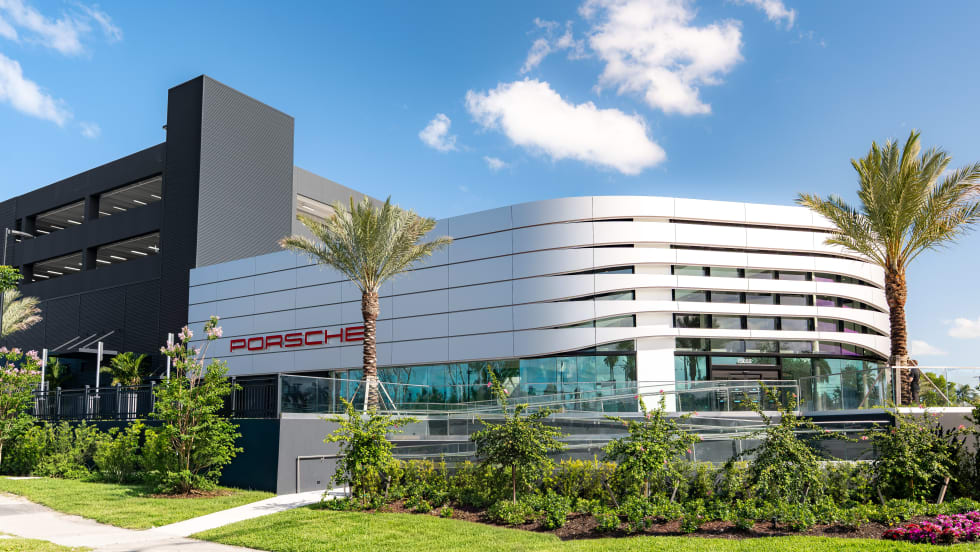
Holman Opens Porsche Dealership in Miami
The North Miami store features the brand’s signature Destination Porsche design concept, combining contemporary architecture and technology to create what the auto group calls an ultra-luxury experience.
Read More →
Chicago to Gain Cadillac Rooftop in 2027
The two-story Cadillac dealership is being constructed at the former Lincoln Yards site, owned and operated by Canada-based Jack Carter Auto Group.
Read More →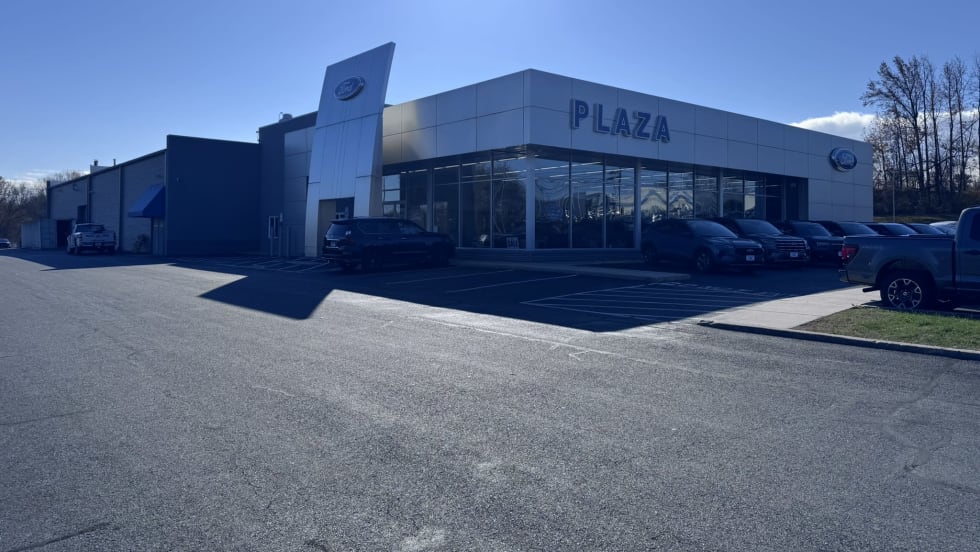
Mid-Atlantic Ford Store Has New Owner
A growing Maryland automotive group is only the 93-year-old dealership’s third owner after its longtime proprietors retired.
Read More →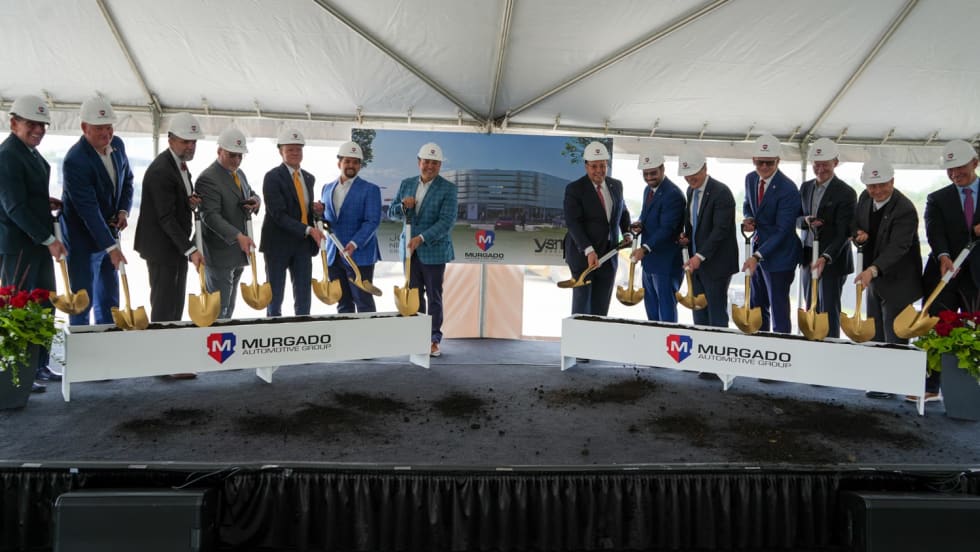
Porsche Dealership Breaks Ground in Illinois
Barrington Porsche will be the new location for Murgado Automotive Group’s existing Porsche dealership currently in the Motor Werks of Barrington auto mall.
Read More →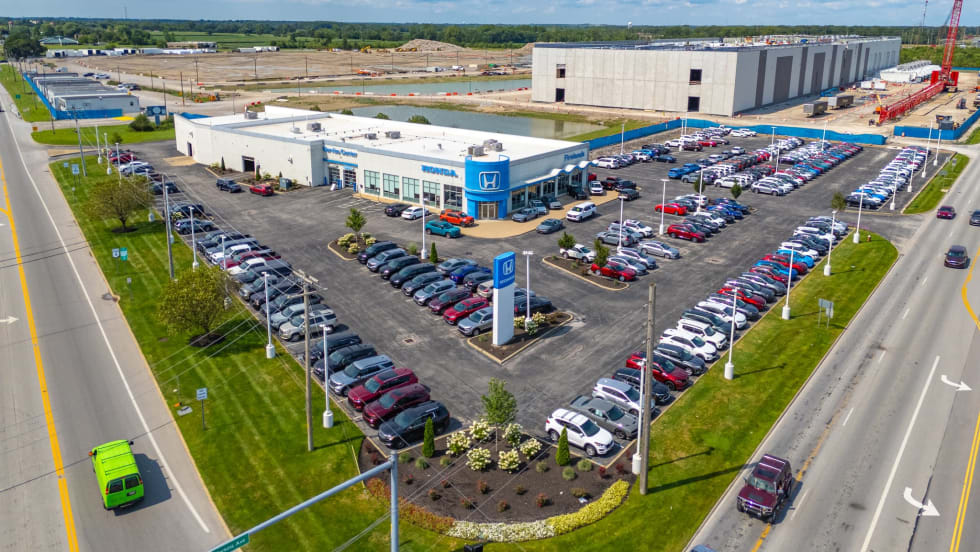
Michigan Auto Group Acquires Ohio Rooftops
Feldman Automotive Group added two new brands, Honda and Toyota, to its portfolio with its latest acquisition of four Fireside dealerships in Ohio.
Read More →
California VW Dealers Go After Scout
The franchisees’ state-level actions follow a California auto dealers trade group lawsuit against the VW affiliate last year, both efforts to stop the EV maker’s plan to sell direct to consumers.
Read More →
EVs Gain Traction in Europe
First-quarter auto sales increased as more consumers took advantage of government incentives. Hybrid deliveries are leading the way on the electrifieds boom.
Read More →
California Holds EV Lead Despite Annual Decline
At nearly 14%, California had the lowest zero-emission vehicle market share in the first quarter since the fourth quarter of 2021, according to the California New Car Dealers Association.
Read More →