



The Silver Lining: A New Sales Model Emerges
Whether we choose to keep a leaner staffing model, hire a different caliber of employee that requires more compensation, or grow our expectations for what we can sell per month, there is no looking back — and that is good for business.

Whether we choose to keep a leaner staffing model, hire a different caliber of employee that requires more compensation, or grow our expectations for what we can sell per month, there is no looking back — and that is good for business.
Consumer behavior is continuously evolving, but it takes a major event such as a global pandemic to see it change overnight. Health concerns and stay-at-home orders due to COVID-19 have driven consumers to buy more online than ever before.
Whether we choose to keep a leaner staffing model, hire a different caliber of employee that requires more compensation, or grow our expectations for what we can sell per month, there is no looking back — and that is good for business.
The automotive industry has experienced this phenomenon first hand. With many showrooms closed earlier this year, dealers were forced to conduct business differently. They pivoted their teams to remote selling, leading to both an increase in online purchase activity, and significant efficiency gains. In fact, according to a recent study by Roadster and NADA, 44% of consumers who bought a vehicle between April and August of 2020 conducted some of the transaction online, and 63% of customers who bought cars in the past five months said their recent transaction was materially faster than their previous purchase.
What is faster for the consumer is more efficient for the dealership, creating cost savings. Given the market uncertainty as we head into 2021, this is good news for dealers far and wide.
Consumers Are Doing More Online
The automotive industry can no longer ignore consumers’ move to online buying. Carvana has spent millions making consumers aware of online capabilities and other online-only retailers like Vroom, Shift, and Carlotz are following suit, leveraging the public markets to help scale their businesses this year.
No longer are consumers just window shopping for cars on the internet; they are completing critical and traditionally time-consuming aspects of the transaction.
A recent study examining consumers’ car buying behavior during the pandemic found consumers completed price negotiation, credit apps, and payment term selection online 34% of the time, regardless of in-person restrictions. Even F&I selection, a considerable percentage of dealership profitability, moved online for 23% of consumers, 42% if the dealership was only open for online sales.
For consumers, the move to online means a significant reduction in time spent buying a car. Up until recently, 90% of transactions took hours to complete in the dealership. But according to data fielded by Roadster and NADA, 38% of transactions are now happening in under an hour. This is good news for dealerships. If the customer spends less time at your dealership, your sales and finance people will be freed up to complete more transactions on a given day.
Profit Implications for Dealers
When salespeople can work remotely with multiple customers at once, they can sell more cars per person. This is a significant finding as units sold per person has been stuck at 9-10 for the past 35+ years. After a turbulent month of April, where dealerships had to cut staff and sell primarily online, the industry saw this metric grow to 13 units per person in May. As of September, with showrooms back open, we are now at 16 units per person, a 60% increase over the NADA industry average.
Efficiency gains open up a world of possibilities for profitability. At the moment, this means handling current consumer demand using remote selling techniques with less staff. If we play this out using industry averages for units sold and salaries, this equates to $200 in compensation savings per vehicle sold.
Demand will eventually return to previous levels. With the ability to sell more cars per person, the world is our oyster. Whether we choose to keep a leaner staffing model, hire a different caliber of employee that requires more compensation, or grow our expectations for what we can sell per month, there is no looking back -- and that is good for business.
Michelle Denogean is CMO of Roadster.
Originally posted on Auto Dealer Today
More Showroom

Affordable, Safe Cars for Teen Drivers
Families looking to balance affordability and safety in vehicles for their teen drivers can look to the updated list of recommended vehicles by IIHS and Consumer Reports.
Read More →
Auto Dealers Feel Better But Not Great
A second-quarter Cox Automotive poll of franchised retailers and independents found better views of the current market after a good spring but anticipation of third-quarter storminess.
Read More →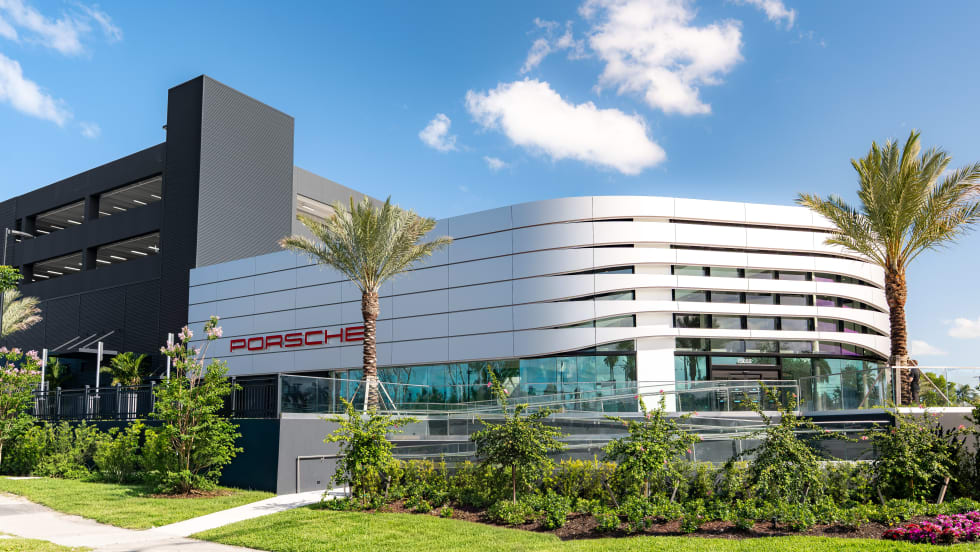
Holman Opens Porsche Dealership in Miami
The North Miami store features the brand’s signature Destination Porsche design concept, combining contemporary architecture and technology to create what the auto group calls an ultra-luxury experience.
Read More →
Chicago to Gain Cadillac Rooftop in 2027
The two-story Cadillac dealership is being constructed at the former Lincoln Yards site, owned and operated by Canada-based Jack Carter Auto Group.
Read More →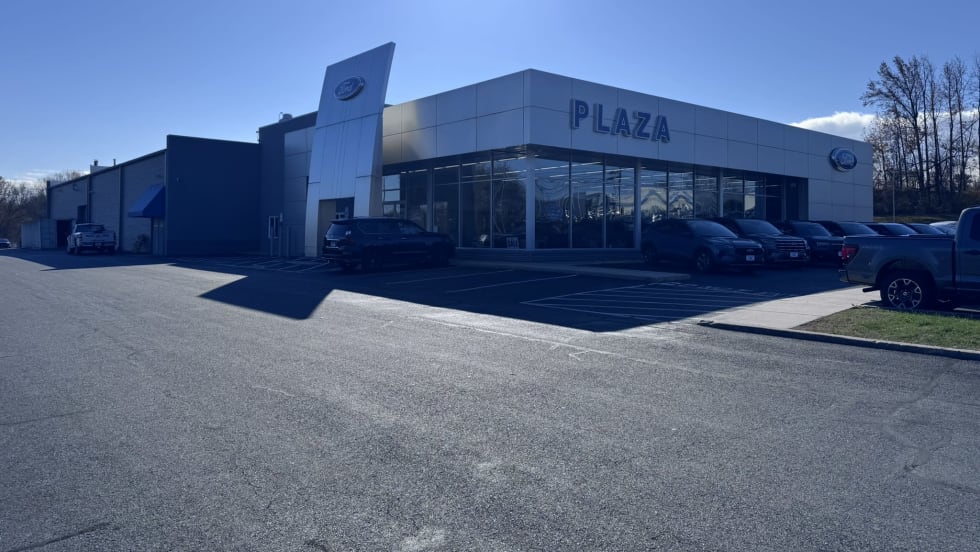
Mid-Atlantic Ford Store Has New Owner
A growing Maryland automotive group is only the 93-year-old dealership’s third owner after its longtime proprietors retired.
Read More →
Porsche Dealership Breaks Ground in Illinois
Barrington Porsche will be the new location for Murgado Automotive Group’s existing Porsche dealership currently in the Motor Werks of Barrington auto mall.
Read More →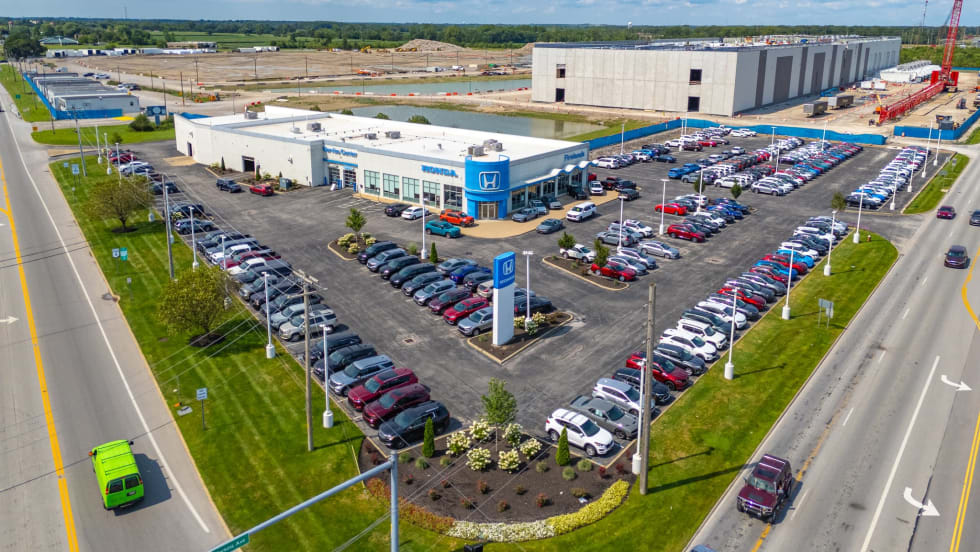
Michigan Auto Group Acquires Ohio Rooftops
Feldman Automotive Group added two new brands, Honda and Toyota, to its portfolio with its latest acquisition of four Fireside dealerships in Ohio.
Read More →
California VW Dealers Go After Scout
The franchisees’ state-level actions follow a California auto dealers trade group lawsuit against the VW affiliate last year, both efforts to stop the EV maker’s plan to sell direct to consumers.
Read More →
EVs Gain Traction in Europe
First-quarter auto sales increased as more consumers took advantage of government incentives. Hybrid deliveries are leading the way on the electrifieds boom.
Read More →
California Holds EV Lead Despite Annual Decline
At nearly 14%, California had the lowest zero-emission vehicle market share in the first quarter since the fourth quarter of 2021, according to the California New Car Dealers Association.
Read More →