



Diesel Fuel Prices Starting to Fall
Diesel fuel prices have started to fall, but they still remain at historical highs.

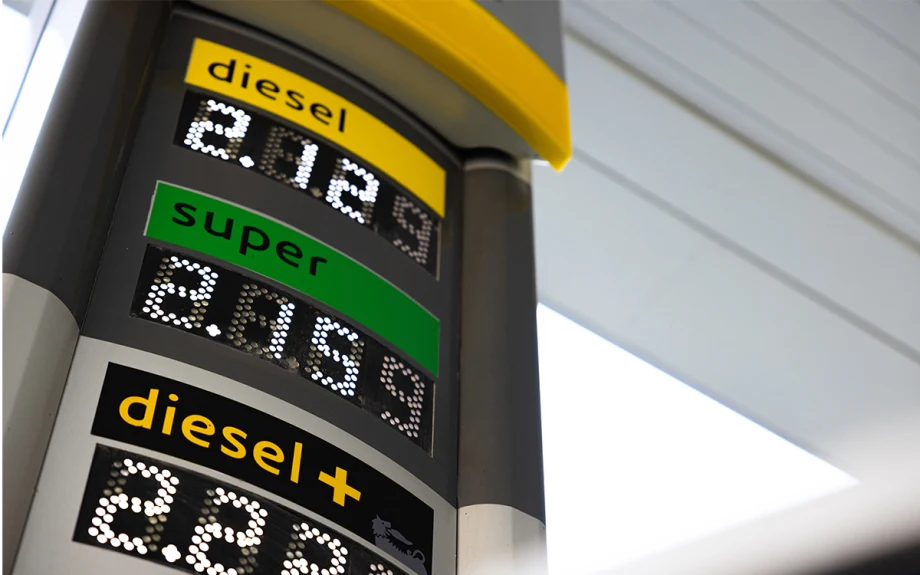
Diesel fuel prices have started to fall, but they still remain at historical highs.
IMAGE: GettyImages/LeoPatrizi
Diesel fuel prices are falling offering relief to truckers and other operators of diesel-powered vehicles. However, prices still remain at historical highs.
The U.S. Energy Information Administration (EIA) reports diesel is at $4.537 at the start of the year, down $0.059 from the week prior and 43 cents from Dec. 5. The cost per gallon, however, is still $0.922 higher than the same week in 2021.
The average price has remained over $4 a gallon since February 2022 for diesel fuel that's used to transport most goods purchased by U.S. consumers. But sections of East and West coasts are still seeing prices above $5.
Patrick De Haan, the head of petroleum analysis at GasBuddy, told Detroit News there are several factors causing the historically high prices.
The first is that U.S. diesel production remains low. Two thirds of a barrel of crude produces gasoline while just one third becomes diesel, he said, noting that when oil refineries have production issues, diesel output is most affected.
The war between Russia and the Ukraine also has had an impact, he says, by reducing the amount of oil transported from Russia to the U.S.
"Russia produces a lot of heavy oil, that heavy oil produces ... diesel, and because countries aren't importing as much of that heavy oil, the refineries (in the U.S.) aren't able to produce as much heavy product like diesel," De Haan told Detroit News.
Refining capacity is also diminished, decreasing by about 4% since 2020. According to the EIA, there were 135 operable refineries in the U.S. in 2020 and just 130 at the beginning of 2022.
Originally posted on Auto Dealer Today
More Showroom

October Auto Sales Fall With the Leaves
A forecast anticipates retail deliveries are down this month as consumers continue to face cost challenges, though more are tapping long loans in order to buy.
Read More →
California Sees Quarterly Gains
California’s new-vehicle market saw a boost in hybrids in the third quarter and its first overall quarterly market gain of the year.
Read More →
New-Vehicle Prices Stay Put
Affordability pressures and model availability shaped new-vehicle sales in September, according to an analysis by Kelley Blue Book.
Read More →
EV Buyer Consideration Shifts
What drives American consumers to purchase an electric vehicle is shifting as the question moves away from Should I?' to 'Which features and experience do I want to have?'
Read More →
Year-to-Date Auto Sales Holding Their Own
A forecast through August shows that automakers have shifted strategies to keep deliveries and revenues up despite tariffs and other economic challenges.
Read More →
Slow to Robo
Ten years of polling consumers shows autonomous vehicles’ profiles have risen considerably, but even more people now want at least some level of control if they go that route.
Read More →
Dealers a Little Down
A third-quarter Cox Automotive survey finds them in a mixed mood, bummed by fallen customer traffic but encouraged by better profits, costs and EV interest.
Read More →
European EV Sales Skyrocket
The EV market on the continent held strong in July with almost 25% of new-car sales being fully electric units, a stark contrast to the U.S., where EV sales declined about 42%.
Read More →
Mitsubishi Unveils U.S. Plan
The automaker announced a strategy that includes an expanded lineup and dealership presence, along with more ‘rugged’ and electric models.
Read More →
Used Lots Getting the Business
Many consumers are seeking out the units to save money, and the demand – higher in July than normal – is keeping supply limited and prices up.
Read More →