



Consumers Favor Automated Safety Over Self-Driving Tech
S&P Global Mobility survey of 8,000 shoppers worldwide shows semiautonomous driving features are still missing the crucial trust factor, whereas automated safety features are gaining traction.

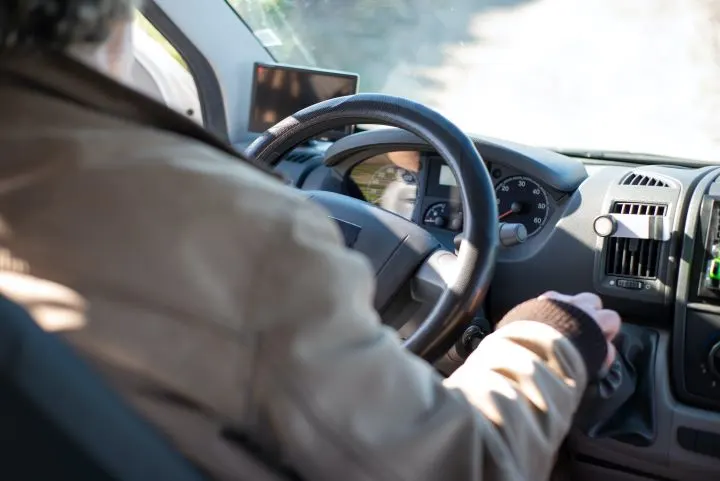
According to an S&P Global Mobility consumer survey, trust and familiarity remain barriers to car shoppers adopting autonomous driving technology. As the amount of vehicle automation increases, consumer desire decreases.
Each of the five most-desired ADAS features improves safety. Blind-spot warning ranks as the most desired feature, wanted by 83% of consumers. More than 80% of those surveyed want forward-collision warning and rear-mirror cameras. Other top-five desired features include automatic emergency braking for vehicles and pedestrians, as well as night vision.
“Exposure is helping to drive much of the desirability for these features,” said Yanina Mills, senior technical research analyst at S&P Global Mobility.
However, while autonomous driving features add convenience by reducing the tedium of driving, they fall well short of ADAS safety features when it comes to buyer desirability. “Safety versus convenience operate in two different ballparks of interest,” according to Brock Walquist, senior technical research analyst at S&P Global Mobility.
By contrast, consumer experience with self-driving is essentially nonexistent, further inhibiting its desirability. Whereas many automated safety features poll in the 80th percentile range, only 61% of the 7,732 global respondents expressed interest in self-driving, making it the least desirable ADAS feature listed in the survey.
But increased capability doesn’t increase buyer desire. Consumers still prefer automated driving features where the driver maintains more control. Only 69% of consumers desire level 2 autonomy. Even fewer, 65%, buyers desire level 2-plus hands-off automated highway driving.
Among those polled, 53% felt that an autonomous car would drive more efficiently than a normal car, 48% felt that it would be safer, and 27% would use it to relieve tedious driving conditions.
Optimism about self-driving cars remains cautious at best – bearing in mind that “consideration” is high up the purchase funnel before purchase papers get signed. If manufacturers want to convince more buyers that autonomous driving systems are worthwhile, they need to better communicate their benefits, Mills said.
Consumer sentiment is different across regions. Consumers in mainland China, for example, have consistently shown the highest desirability scores for self-driving technology, while consumers in the U.S., U.K. and Germany show the lowest scores in these areas.
“Consumers don’t exactly know how it is going to work. There is confusion,” Mills said. “They are asking, ‘Is it self-driving, or is it just going to help me a bit and I still have to focus?’”
The evolving nature of automated driving poses challenges to OEMs who want to sell the systems and to consumers who are weighing their purchases. Automakers will need to better define the benefits of autonomy to improve its desirability to consumers.
Originally posted on Auto Dealer Today
More Showroom

Year-to-Date Auto Sales Holding Their Own
A forecast through August shows that automakers have shifted strategies to keep deliveries and revenues up despite tariffs and other economic challenges.
Read More →
Slow to Robo
Ten years of polling consumers shows autonomous vehicles’ profiles have risen considerably, but even more people now want at least some level of control if they go that route.
Read More →
Dealers a Little Down
A third-quarter Cox Automotive survey finds them in a mixed mood, bummed by fallen customer traffic but encouraged by better profits, costs and EV interest.
Read More →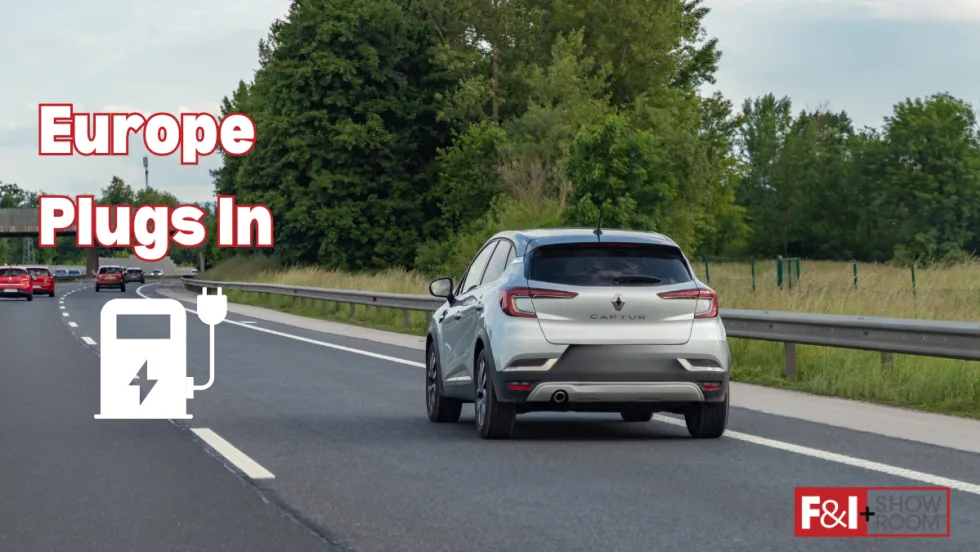
European EV Sales Skyrocket
The EV market on the continent held strong in July with almost 25% of new-car sales being fully electric units, a stark contrast to the U.S., where EV sales declined about 42%.
Read More →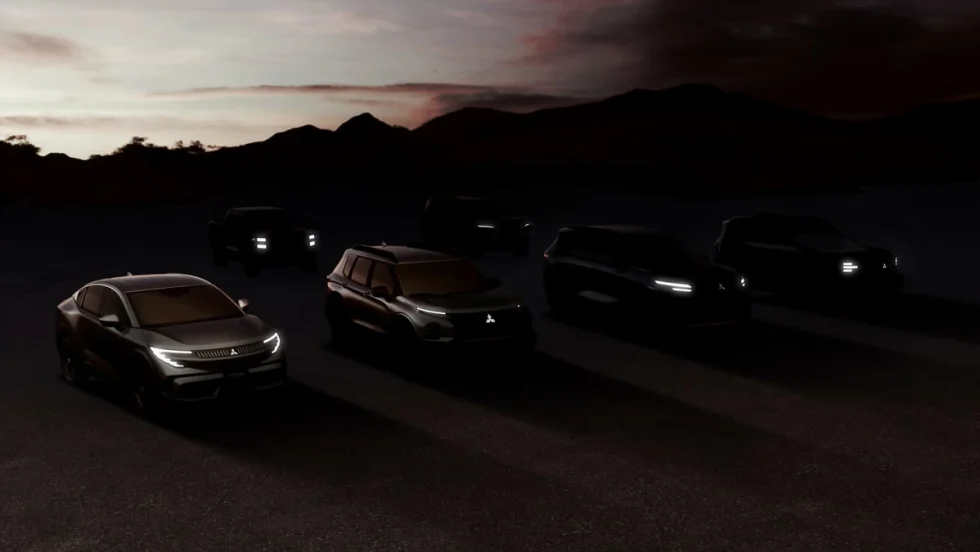
Mitsubishi Unveils U.S. Plan
The automaker announced a strategy that includes an expanded lineup and dealership presence, along with more ‘rugged’ and electric models.
Read More →
Used Lots Getting the Business
Many consumers are seeking out the units to save money, and the demand – higher in July than normal – is keeping supply limited and prices up.
Read More →
Used Market Stabilizes
The Carfax Used Car Index noted a major drop in used-vehicle price increases in July after several months of hikes.
Read More →
California Hybrids Reach State Record
The Golden State still leads the country in electric-vehicle registrations, but much like the rest of the U.S. its hybrid market share is up while full electrics stabilize after a dramatic first-quarter dip.
Read More →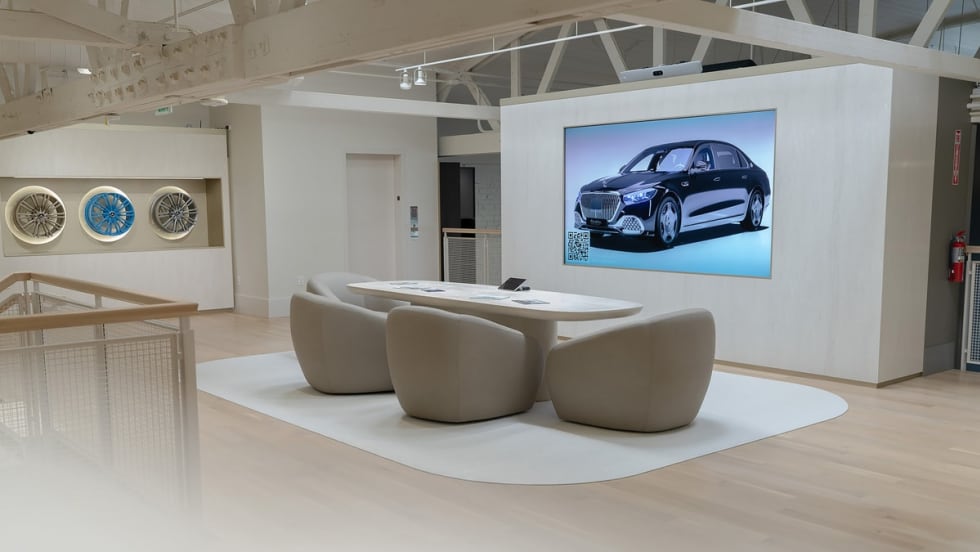
My Mercedes in the U.S.
The German brand debuted its studio dealership concept for the first time in the states in Los Angeles, tapping Americans’ penchant for creative distinctions.
Read More →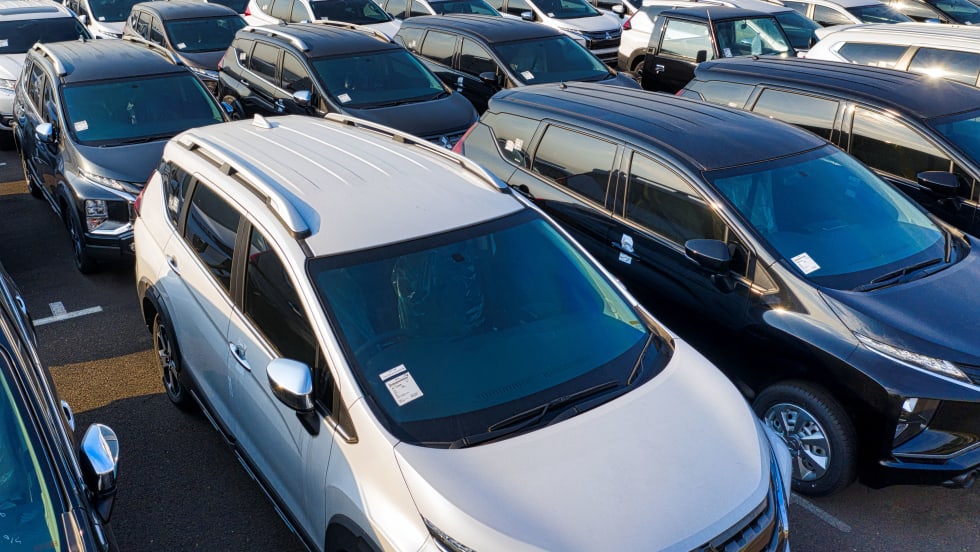
Used Sales Hit Summer Drag
The vacation season, combined with high prices, has dented deliveries and added to inventories, though supply is still slim enough to keep listings elevated.
Read More →