



JV Forms to Pass Tesla on Charging
GM, Stellantis, five others aim to build bigger charger network than US EV market leader’s.

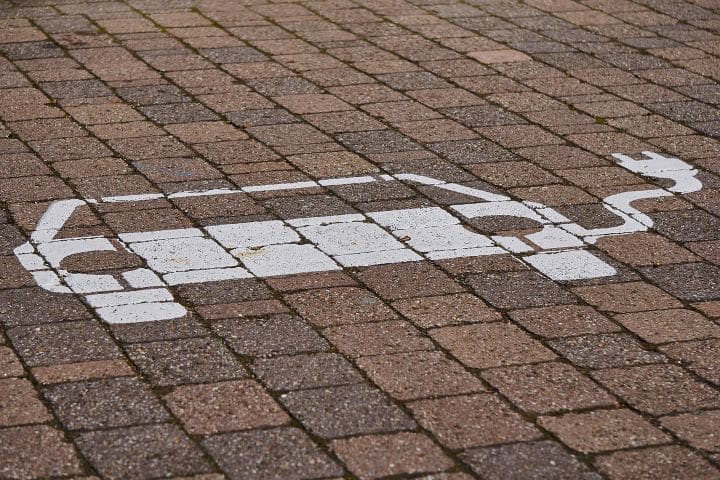
The joint venture's public chargers will support both the NACS and CCS standards.
IMAGE: Pixabay/distel APPArath
Hold on a minute Tesla, a pack of prominent automakers has joined together to build a rival charging network, just as the U.S. electric-vehicle market leader looked like it was running away with an industry standard.
General Motors and Jeep maker Stellantis, along with BMW, Honda, Hyundai, Kia and Mercedes-Benz, said they’re starting a U.S. EV charging company targeting dominance of fast charging in North America.
The joint venture said it plans to install a minimum of 30,000 chargers in urban areas and next to major highways and powered with renewable energy, the first in the U.S. scheduled to be operating next summer.
Tesla currently has the biggest high-speed EV charging network in the U.S. and recently made deals with multiple automakers to let owners of their models use much of its North American network and switch their upcoming EVs to Tesla’s port design. The deals moved some industry watchers to predict Tesla’s charging infrastructure and design, called the North American Charging Standard, or NACS, would become the industry standard, replacing the CCS charging connector.
Now the newly formed automakers group appears set to change the narrative. Its public chargers will support both the NACS and CCS standards.
Establishment of the JV, which will be contingent on regulatory approvals and closing conditions, will use public and private funds to build the network, though it didn’t specify sources or estimated costs.
“GM’s commitment to an all-electric future is focused not only on delivering EVs our customers love, but investing in charging and working across the industry to make it more accessible,” said GM CEO Mary Barra, whose company made a deal with Tesla last month to switch to its charging technology and let its vehicle owners use Tesla’s charging network.
Originally posted on Auto Dealer Today
More Showroom

New Cars Less Affordable
Buying conditions eroded for American shoppers last month due to inflation and interest rates, though they fared better than a year ago.

October Sales Divided
Inventory trends split between the new- and used-vehicle markets, though prices continued to rise for both in October.

Auto Transaction Prices Hit New Height
October sales of big, pricey models push up the average, even as budget-conscious consumers snag more economical options.

Making the Safe Choice
Kelley Blue Book has turned households with teen drivers onto safe and affordable options for their vehicles of choice

Inventory Holds Steady
September new-vehicle inventory rose slightly month-over-month, but dealer lots are laden with MY2026 vehicles as the typical model year changeover trudges along.

October Auto Sales Fall With the Leaves
A forecast anticipates retail deliveries are down this month as consumers continue to face cost challenges, though more are tapping long loans in order to buy.

California Sees Quarterly Gains
California’s new-vehicle market saw a boost in hybrids in the third quarter and its first overall quarterly market gain of the year.

New-Vehicle Prices Stay Put
Affordability pressures and model availability shaped new-vehicle sales in September, according to an analysis by Kelley Blue Book.

EV Buyer Consideration Shifts
What drives American consumers to purchase an electric vehicle is shifting as the question moves away from Should I?' to 'Which features and experience do I want to have?'

Year-to-Date Auto Sales Holding Their Own
A forecast through August shows that automakers have shifted strategies to keep deliveries and revenues up despite tariffs and other economic challenges.