



Rival Automakers Developing Alt-Fuel Engines
Japanese companies announce project to transform ICE technology.

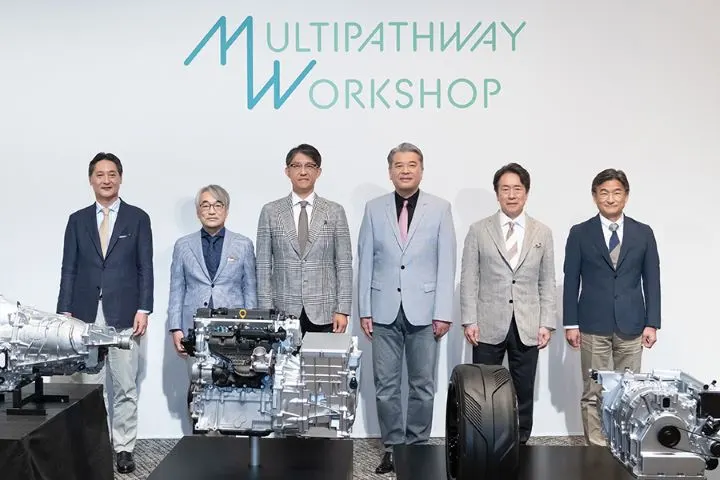
The companies called their technology 'highly efficient and powerful,' and that the more compact engines would make space for improved, more aerodynamic vehicle design, along with greater fuel efficiency.
Toyota
Three Japanese automakers said they’re developing internal-combustion engines to support low emissions as they seek to achieve net-zero pollution.
Mazda, Subaru and Toyota announced the project at a press conference Tuesday, saying they’re working to integrate the engine technology with motors, batteries and “other electric drive units.”
They said the more compact engines will use carbon-neutral fuels in order to “decarbonize” ICE.
The effort aligns with Toyota’s resistance to putting all of its power train eggs in one basket, particularly under former CEO Akio Toyoda, who stepped down and took the chairman role last year, though its new CEO, Koji Sato, quickly set the opposite target. The developing technology may be a way to split the difference and achieve carbon neutralily at the same time. It has lately appeared prescient as electric-vehicle adoption has flattened and hybrid sales taken off.
The three automakers said they’ve tested alternative fuels through their racing teams, including liquid hydrogen, and that the new engines would be compatible with those. Toyota said they will seek to integrate the developing technology with electric technology.
“This process has clarified the role that future engines will play in achieving carbon neutrality,” Toyota said in a press release. “With the next generation of engines, the three companies will seek to not only improve standalone engine performance but also optimize their integration with electric drive units, harnessing the advantages of each.”
The companies called their technology “highly efficient and powerful,” and that the more compact engines would make space for improved, more aerodynamic vehicle design, along with greater fuel efficiency.
“Even as Subaru, Toyota, and Mazda compete in the product arena with unique engines and cars, the companies have a shared dedication to achieving carbon neutrality through a multi-pathway approach,” the press release said.
Originally posted on Auto Dealer Today
More Industry
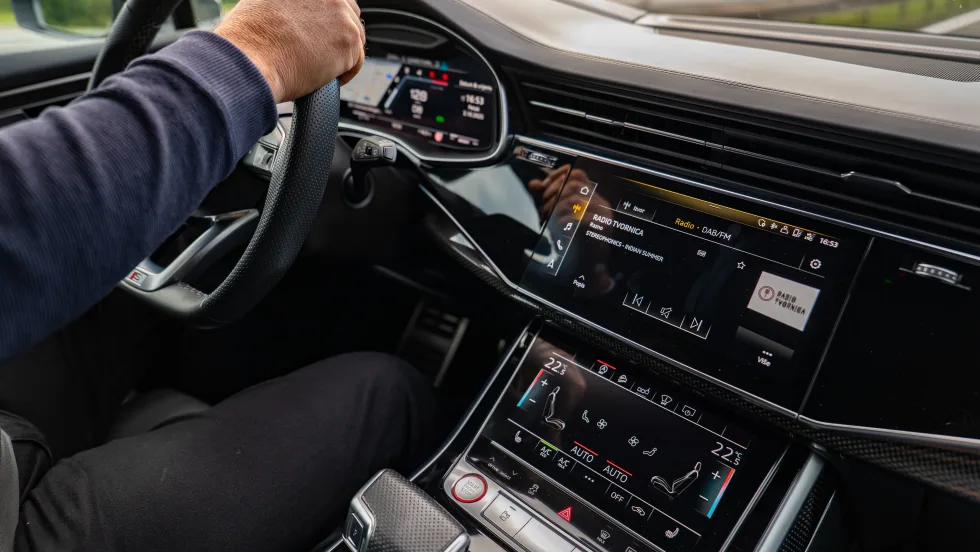
Connection Drives Consideration
Convenience and safety are top priorities for American drivers when it comes to connected vehicles and the services they expect with their next car.
Read More →
New-Vehicle Prices Stay Put
Affordability pressures and model availability shaped new-vehicle sales in September, according to an analysis by Kelley Blue Book.
Read More →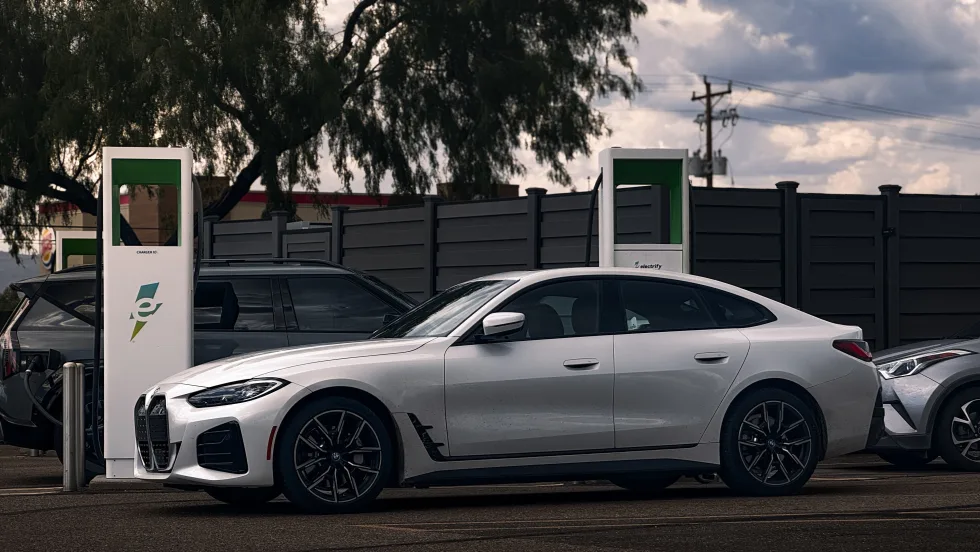
EV Buyer Consideration Shifts
What drives American consumers to purchase an electric vehicle is shifting as the question moves away from Should I?' to 'Which features and experience do I want to have?'
Read More →
Auto Nameplate Loyalty Holds in Tough Times
Consumers have been faithful to brands despite financial pressures, and JD Power says that’s because automakers have made some wise moves.
Read More →
Top New Jersey RV Store Sells
Myer’s RV Superstore is expanding its footprint in the state with two new locations that it acquired from Ed Hutchinson Jr.
Read More →
Alliance Analyzes Technician Pipeline
A new industry report examines the state of skilled trades in the U.S. and details the drivers of demand for automotive repair and how technicians enter and grow in the workforce.
Read More →
Luxury Rooftop Changes Hands
Genesis of Glenview is getting a new owner and a new location, but its name will stay the same.
Read More →
Future-Proof Your Business
A new industry outlook details several ways that automotive companies can use the rise in artificial intelligence and advanced technologies to their advantage.
Read More →
Dealership Buy-Sells Keep Going Up
First-half transactions reflect continued high appetite for acquisitions despite falling profits, the most sought-after franchises bringing record prices.
Read More →
California Makes Electric Moves
New laws in the Golden State aim to advance consumer access to public electric-vehicle chargers and reduce costs and barriers to its infrastructure.
Read More →