



Auto Tariffs Still in Play
Wednesday pause of reciprocal duties on dozens of countries doesn’t include imports of autos, coming auto parts tariff.


Market watchers expect continued healthy sales in the short term as dealers sell existing stock and consumers buy before the tariff effect takes hold, but they foresee the duties cutting demand as prices exceed already inflated levels.
Pexels/Kelly
Though President Donald Trump paused reciprocal trade tariffs for 90 days against trading partners across the world, the 25% duties he imposed on vehicle imports were still in effect, to be followed by a matching tariff on some auto parts scheduled for enactment on May 3.
The suspension of the reciprocal tariffs that had just taken effect caused widespread relief, and automaker stocks revived after falling when the tariffs were announced.
But the roller coaster trade policy, which included an escalation of tit-for-tat tariffs between the U.S. and China, jarred the business world and left the auto industry wondering how it will fare in both the short- and the long run.
Canada has responded to the U.S. auto tariffs by imposing its own 25% tariff on imports of U.S. vehicles and vehicle parts that don’t comply with the North America trade agreement.
Due to the trade war, industry analysts have predicted 10% to 15% new- and used-vehicle price increases as automakers pass along tariff costs to customers. Meanwhile, some automakers, including Ford and Stellantis, have extended employee vehicle purchase discounts to consumers.
Market watchers expect continued healthy sales in the short term as dealers sell existing stock and consumers buy before the tariff effect takes hold, but they foresee the duties cutting demand as prices exceed already inflated levels.
More Industry
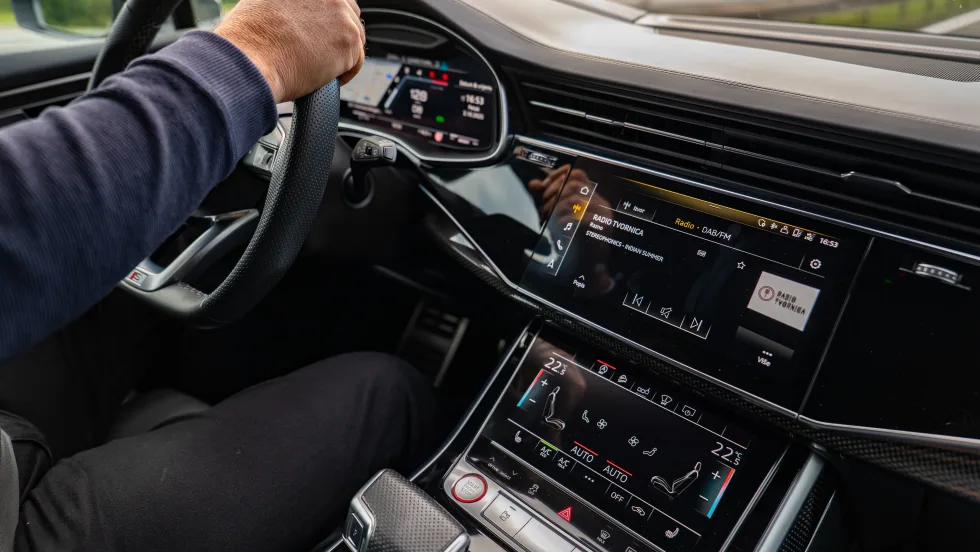
Connection Drives Consideration
Convenience and safety are top priorities for American drivers when it comes to connected vehicles and the services they expect with their next car.
Read More →
New-Vehicle Prices Stay Put
Affordability pressures and model availability shaped new-vehicle sales in September, according to an analysis by Kelley Blue Book.
Read More →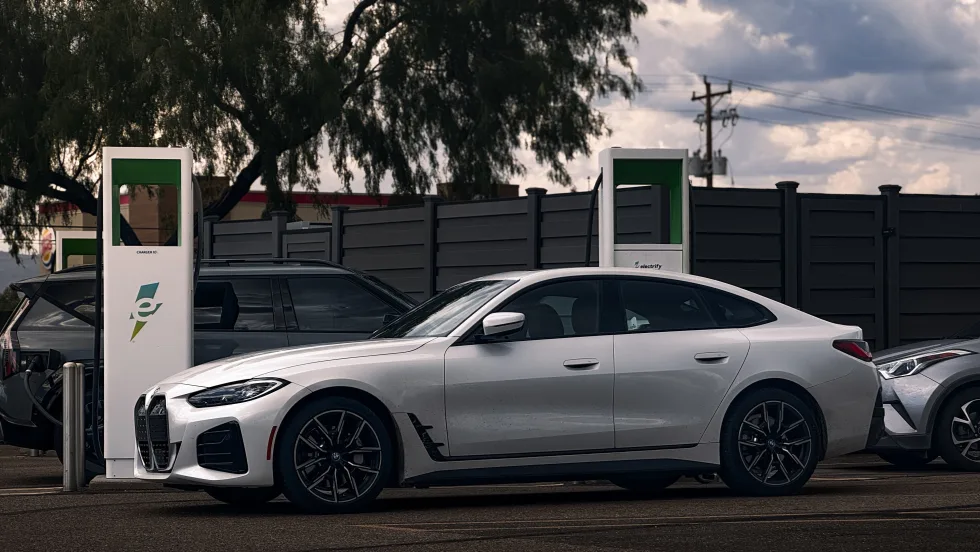
EV Buyer Consideration Shifts
What drives American consumers to purchase an electric vehicle is shifting as the question moves away from Should I?' to 'Which features and experience do I want to have?'
Read More →
Auto Nameplate Loyalty Holds in Tough Times
Consumers have been faithful to brands despite financial pressures, and JD Power says that’s because automakers have made some wise moves.
Read More →
Top New Jersey RV Store Sells
Myer’s RV Superstore is expanding its footprint in the state with two new locations that it acquired from Ed Hutchinson Jr.
Read More →
Alliance Analyzes Technician Pipeline
A new industry report examines the state of skilled trades in the U.S. and details the drivers of demand for automotive repair and how technicians enter and grow in the workforce.
Read More →
Luxury Rooftop Changes Hands
Genesis of Glenview is getting a new owner and a new location, but its name will stay the same.
Read More →
Future-Proof Your Business
A new industry outlook details several ways that automotive companies can use the rise in artificial intelligence and advanced technologies to their advantage.
Read More →
Dealership Buy-Sells Keep Going Up
First-half transactions reflect continued high appetite for acquisitions despite falling profits, the most sought-after franchises bringing record prices.
Read More →
California Makes Electric Moves
New laws in the Golden State aim to advance consumer access to public electric-vehicle chargers and reduce costs and barriers to its infrastructure.
Read More →