



Toyota Hydrogen Cars Get Boost
The company is investing in more fueling spots, participating in home-country experiments.

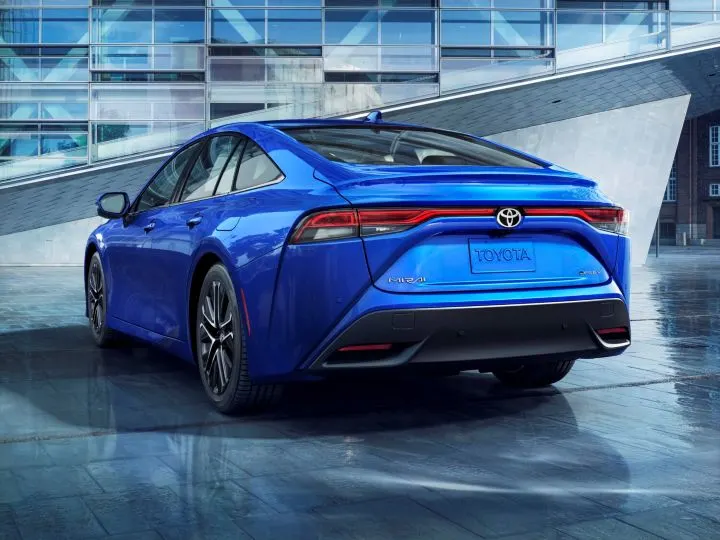
The Toyota Mirai is one of a handful of hydrogen-powered models several major automakers are producing, though adoption has been slow due to limited fueling stations and high fuel prices.
Toyota
Toyota is slowly increasing its hydrogen fuel cell vehicle efforts as its home country encourages more investment in the clean-energy source.
The Japanese automaker, sued last year by California owners of its hydrogen fuel cell Mirai car over what they say is an inadequate number of public chargers, said its North American arm is making a strategic investment in a company planning to add 92 fueling points across 38 stations in the state.
The investment in FirstElement Fuel comes as California, with the country’s biggest hydrogen fuel cell charging infrastructure in the U.S., still has only about 50 stations for light-duty vehicle fueling, according to the California Energy Commission.
The commission doesn’t specify how many individual fueling positions the existing stations have, but the FirstElement plans would add a significant number to the existing number.
Hydrogen fuel cells convert the element’s energy to electricity. The alternative operates much more efficiently than combustion engines and produces no polluting emissions. But fueling up can be challenging due to limited public stations.
Toyota and Hyundai have had a hydrogen fuel cell model in their lineups for years, Toyota introducing the Mirai in 2014 and Hyundai producing its Nexo crossover SUV since 2018. Toyota also introduced a hydrogen concept version of its Tacoma pickup this year, and BMW has the iX5 concept SUV.
But adoption has been slow as battery-electric autos consumption and charging infrastructure development have gotten more government and automaker investment. Along with limited charging infrastructure, a major obstacle to hydrogen fuel cell cars is the high cost of the fuel.
Japan is investing in hydrogen energy projects, including a fleet of hydrogen-powered taxis in Tokyo and a hydrogen-powered auto dealership in Asaka. Toyota President Koji Sato, also co-chairman of the Japan Hydrogen Association, said the taxis represent “a tremendous first step with meaningful implications for large-scale social implementation.”
Company Chairman Akio Toyoda underlined its overall goal when he said recently, “I believe that it is through purposeful passion and action that we will create a future of carbon neutrality.”
More Industry
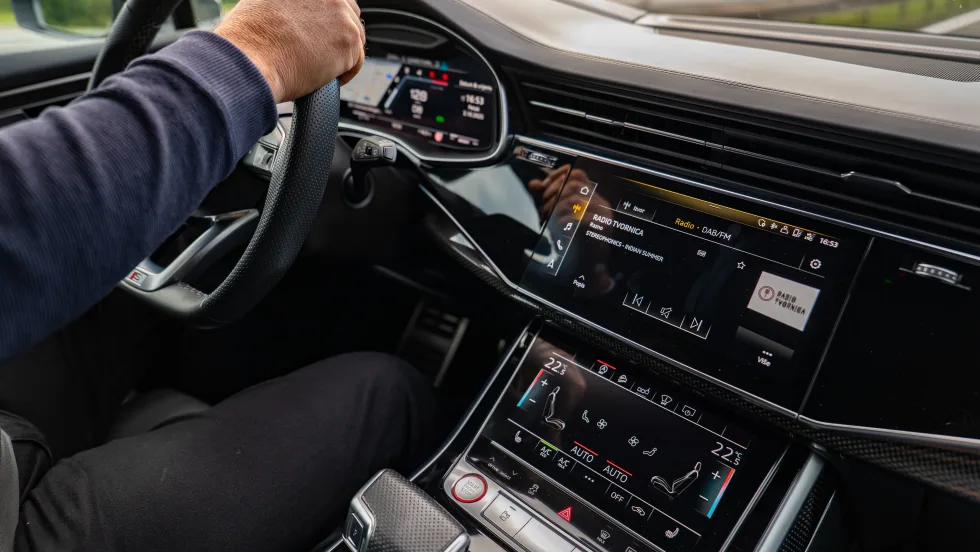
Connection Drives Consideration
Convenience and safety are top priorities for American drivers when it comes to connected vehicles and the services they expect with their next car.
Read More →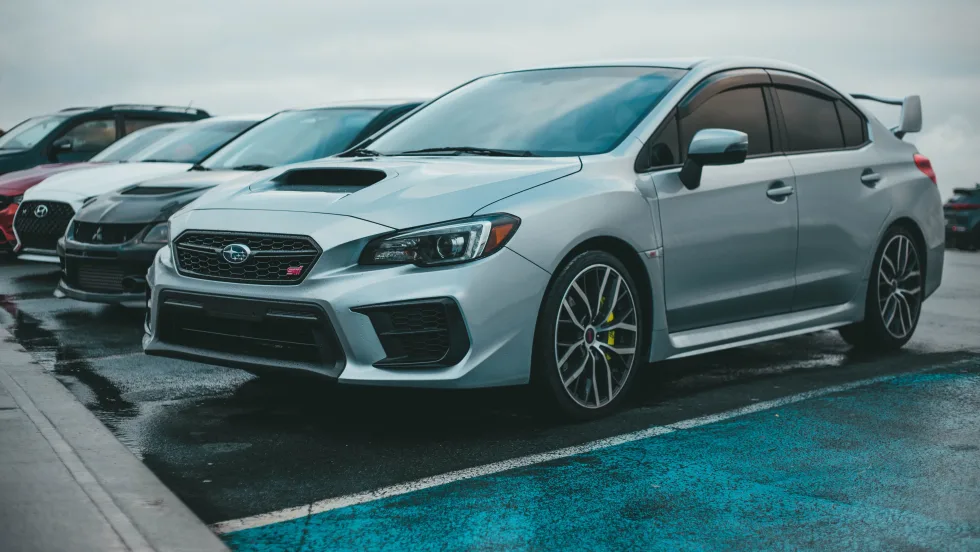
New-Vehicle Prices Stay Put
Affordability pressures and model availability shaped new-vehicle sales in September, according to an analysis by Kelley Blue Book.
Read More →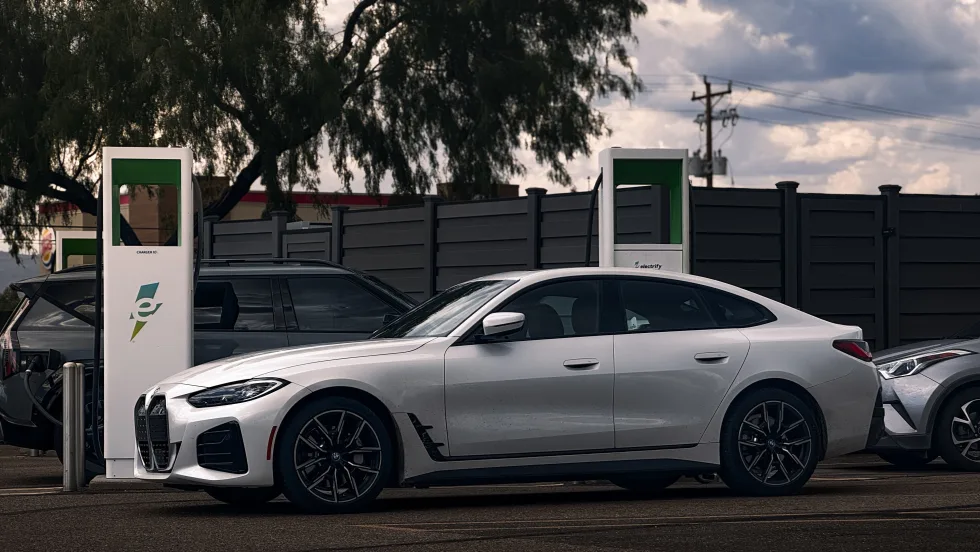
EV Buyer Consideration Shifts
What drives American consumers to purchase an electric vehicle is shifting as the question moves away from Should I?' to 'Which features and experience do I want to have?'
Read More →
Auto Nameplate Loyalty Holds in Tough Times
Consumers have been faithful to brands despite financial pressures, and JD Power says that’s because automakers have made some wise moves.
Read More →
Top New Jersey RV Store Sells
Myer’s RV Superstore is expanding its footprint in the state with two new locations that it acquired from Ed Hutchinson Jr.
Read More →
Alliance Analyzes Technician Pipeline
A new industry report examines the state of skilled trades in the U.S. and details the drivers of demand for automotive repair and how technicians enter and grow in the workforce.
Read More →
Luxury Rooftop Changes Hands
Genesis of Glenview is getting a new owner and a new location, but its name will stay the same.
Read More →
Future-Proof Your Business
A new industry outlook details several ways that automotive companies can use the rise in artificial intelligence and advanced technologies to their advantage.
Read More →
Dealership Buy-Sells Keep Going Up
First-half transactions reflect continued high appetite for acquisitions despite falling profits, the most sought-after franchises bringing record prices.
Read More →
California Makes Electric Moves
New laws in the Golden State aim to advance consumer access to public electric-vehicle chargers and reduce costs and barriers to its infrastructure.
Read More →