



7 Reasons to Embrace Mobile F&I
Car buyers no longer rely on the dealership as their sole source of information about F&I products. Trainer offers seven reasons forward-thinking dealers are meeting customers in the mobile marketplace.

Over the last few years, we have all seen the acceleration of internet-based commerce, as pointed out by the constant barrage of statistics: J.D. Power says 56% of online car shoppers are on a mobile device. Cox Automotive tells us 63% of car buyers would be more likely to buy F&I products if they could read about them online first. Adobe announced the last Cyber Monday set a new single-day record with $6.59 billion in retail sales.
These are just a few examples that prove internet shopping is rapidly becoming the preferred method. Let’s examine seven reasons why that is.
1. Convenience
There are no store hours online. There is no traffic to fight. There are no lines at the checkout stand. You don’t have to take time off work or wait until the weekend. A purchase can be made anytime, anywhere.
2. Control
There is virtually unlimited inventory online. A friend of mine was shopping for a new front door. He visited the store in town, but they did not have the color he wanted. He went to the same store’s website, found the door he wanted, purchased it — for less than the store had quoted — and had it delivered in three days.
He knew what he wanted and the internet provided it — efficiently.
3. Comfort
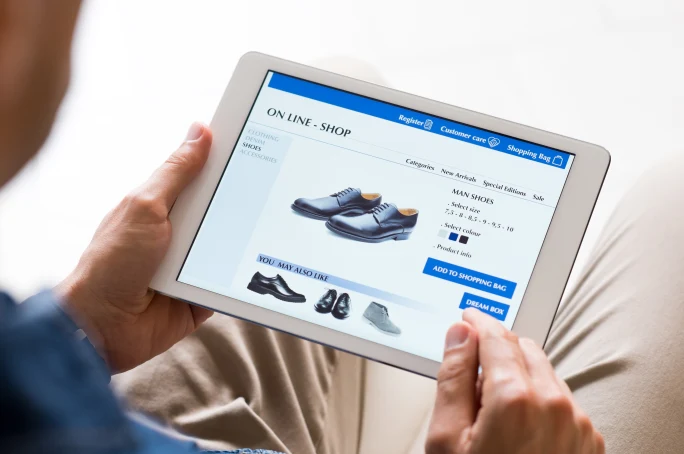
Everywhere you look, people are looking at their phones. It has become more comfortable for us to communicate via text or social media than engage in a spoken conversation. Many will ignore a phone call but immediately respond to a text. Screens have become the most trusted method of communication and gathering information.
4. Accessibility
All the information consumers need is at their fingertips. No one is asking them questions or trying to talk them into anything. The internet respects their decisions. Online purchasing is fast, efficient, and, above all, easily accessible.
And now for the reality check for all of us in sales and F&I. Given the option, more and more people prefer to make their decisions without our input. They prefer to “choose” rather than “be sold.” They trust what they see online more than anything any of us can say to them — even if it is the same information.
Our client’s expectations have changed. They expect respect, transparency, and efficiency. So let’s accommodate them.
5. Respect
When I was trained in F&I, the approach was all about forging a relationship with the client. There were no websites for them to visit for information. (Yes, there was life before the internet.)
We were taught to conduct an interview and ask a series of questions designed to establish the client’s needs. Then we used their answers to prove they needed credit insurance and a service contract. When the client said “No,” we said, “But you told me earlier …”
This method was effective for years, mainly because the dealership was the primary source for information. So our clients depended on us to guide them through vehicle selection and financing options. As auto-related resources became more accessible online, however, that effectiveness waned. Many clients began to feel they were being manipulated. They felt we were being disrespectful. They had done the research and made their decisions before coming to the dealership.
When we began using a tablet-based interactive menu and eliminated the product-focused interview, enrollments increased. Clients began to choose more products. All we had to do was answer questions. We had placed the F&I process in a medium the clients were comfortable with: a screen. It provided them convenience, control, comfort, transparency, and respect.
6. Transparency
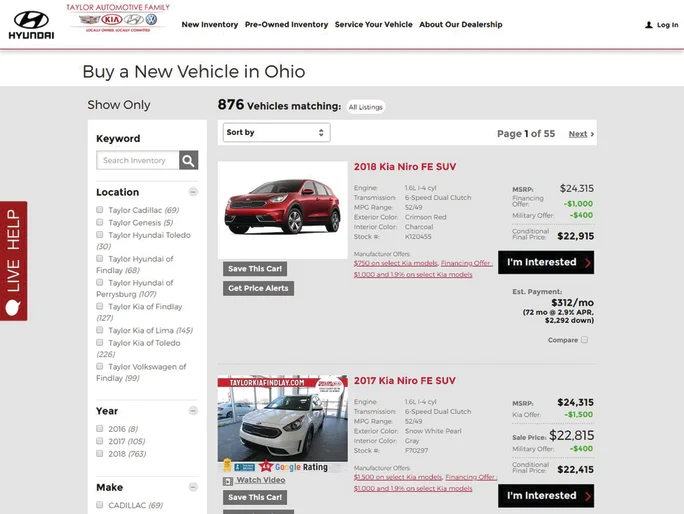
Most dealer websites have inventory listings, service department information and scheduling, and credit applications that can be completed online. Very few sites, however, have any mention of F&I product offerings. The “F” is there, so where is the “I”?
Conventional wisdom held that we should not “pre-expose” the client to aftermarket products. Only the business manager discussed them. However, our clients know what happens in the business office. When we withhold product information until closing, it creates suspicion. “If this product is so great, why haven’t I been told about it sooner?” It can feel like a trick to them and it reinforces the negative stereotype they have of us.
There are simple solutions. Product videos are available to post on our websites containing brief descriptions and benefits. Simply listing your options with two or three bulleted benefits will provide clients with at least some exposure to your products. Some menu systems have sharing functionality, allowing an interactive link to be sent via text or email. Providing overviews of our products alongside our vehicle inventory also helps to establish credibility for the client.
7. Efficiency
Our clients’ most valuable commodity is their time. The internet provides them the means to reduce or eliminate time spent at the dealership. They expect us to provide more of the process in a digital mobile environment. Most of our clients still want to test-drive and inspect the vehicle prior to purchasing, but they want to complete as much of the process as possible remotely. They expect our process to be as efficient as buying a new door.
The migration to a more digital and mobile experience will not eliminate the need for professional sales and F&I staff. It will, however, radically change our interactions with clients. Our salesmanship will become secondary to our knowledge and expertise. As the vehicle purchase and finance experience become more self-service, our role will become that of an expert who can answer any question our clients may have.
Digital marketing and purchase solutions are readily available for dealerships, and more are being developed. Our growth and survival demand we embrace the tools to provide our products and services where our clients are shopping. Obviously, that is increasingly online.
Alan Campbell is the owner of ARCampbell Consulting, which offers in-dealership and online training for sales, finance and leasing. Email him at alan.campbell@bobit.com.
More Auto Finance

Interest Rates Further Squeeze Auto Consumers
Last month’s hike and a potential second increase this month add to a growing list of inflation woes that could continue to dent overall car sales.
Read More →
Mind Your Process
Consistent steps taken in various aspects of the F&I office can make valuable differences over time, similar to an outline for a best-selling book.
Read More →
Top Five Credit Application Fraud Flags
Compliance audits regularly reveal bad habits that can lead to fraud charges and should have been stamped out decades ago.
Read More →
More Auto Loans for the Taking in August
Riskier categories were on the uptick for the month as lenders loosened access in several areas while balancing out the exposure in another, Cox Automotive reported.
Read More →
July Was Hot for Auto Borrowers
Credit proved readily available for many, but most loans left buyers in negative territory, Cox Automotive said.
Read More →
Dealer Lender Preferences Revealed
When lenders provide consistent, fast service, their overall satisfaction scores with dealers greatly improve, according to JD Power research.
Read More →
Auto Refi Savings Surge
Consumers with 84-month auto loan terms who refinanced saved the most on monthly payments, according to a new report by auto refinancing provider Caribou.
Read More →
Subaru Enters Lending Business
The automaker follows other brands in adding captive financing in the U.S., and says the move will strengthen its position here.
Read More →
Positive Equity Reaches Record High
Mainstream vehicle owners who bought a car seven years ago are likely to have positive equity when trading in for a new vehicle, according to second-quarter Edmunds data.
Read More →
Dealerships Are Paying the Price for Extended Car Loans
Growing negative-equity scenarios mean such lengthy terms should be addressed in a forward-looking way to make them work for the dealer and the consumer down the road.
Read More →