


Economic Recovery Begins with Behavior
The auto market appears to be showing signs of recovery, but it’s too early to tell how far the recovery will go in the short term, and it’s more critical than ever to keep up with the changing perceptions of the industry.

The auto market appears to be showing signs of recovery, but it’s too early to tell how far the recovery will go in the short term, and it’s more critical than ever to keep up with the changing perceptions of the industry.
Image by Gerd Altmann from Pixabay
As of this writing, the auto market appears to be showing signs of recovery, but it’s still too early to tell just how far the recovery will go in the short term. It’s fantastic to see the industry coming off the frightening bottoms it hit and it’s more critical than ever to keep up with the changing perceptions of the industry.
We’re in a difficult auto market right now, but the OEMs and dealers who leverage the latest in data tools will have distinct advantages in weathering the storm and coming out on the other side with new and loyal customers.
Case in point: I had a videoconference reunion with my high school buddies. Some of us hadn’t spoken in years. After we went through everyone’s family updates, we started swapping professional updates. I was surprised by how many questions my friends had about the state of the auto industry. I was even more shocked when they asked me why they couldn’t order a car online and have it delivered to their homes. They didn’t realize they could buy a car online, that many dealers already offer this service and that it’s likely to become even more commonplace after our collective quarantine periods end.
Here’s the canary in the coalmine: When a bunch of non-auto folks get together to talk to the auto guy and this is the crux of their questions, then you know as an OEM and a dealer you need to pay attention to digital retailing.
Exploring “New” Ways of Working
But, it’s not just the process of making an auto purchase transaction happen online. Dealers will need to be less reluctant about posting the actual selling price of their vehicles online, and they will have to try to find ways to create relationships with the folks shopping on their sites. If people aren’t calling or walking into their stores, it becomes much harder for a dealer to create a tailored and relevant experience for the shopper.
Good use of behavioral data can go a long way in filling that gap because it helps you make real-time decisions about consumer intent. Sure, you can continue to just “shotgun” your marketing to your entire database, making the same offers to everyone and hoping for the best, or you can start using the data you have to understand the journey each of your customers is on, and better target your responses to those individuals.
Imagine knowing when a hand raiser is actually going to buy a car versus wasting your time and energy just kicking tires? Resources and solutions are now available to allow you to do that.
How Behavioral Data Helps
The data mix in auto has traditionally been identity, demographics, and psychographics. In the aggregate, that data can be effective. On a 1-to-1 basis, the data can frequently be wrong. Particularly in light of digital retailing, layering in witnessed behavioral data is becoming a priority for the auto industry, and there are two key ways behavioral data can be leveraged.
1. Find Serious Shoppers: Understanding behavior can help auto brands and dealers know who is serious about buying a vehicle by understanding their journey. How long have they been shopping? Have they been visiting relevant sites? How long did they spend on your VDP prior to submitting a lead? Answering these questions helps OEMs and dealers know who to prioritize.
2. Timing Your Outreach: The next step is using behavior to understand when someone is shopping. Particularly, in the current economy and for the foreseeable future, knowing when someone is actively shopping will be key for several reasons. Nobody who is between jobs wants to receive solicitations to buy a new car. With the number of buyers reduced in the market, it’s more important than ever for OEMs and dealers to be able to get their messages in front of the right people at the right time when they are actually shopping.
The only way to know when someone is actually actively shopping is to work with a vendor who is able to actually witness online behavior and report back. Yes, we’re in a difficult auto market right now, but the OEMs and dealers who leverage the latest in data tools will have distinct advantages in weathering the storm and coming out on the other side with new and loyal customers.
Brian Epro is vice president of automotive at Jornaya.
More Showroom

New-Vehicle Prices Stay Put
Affordability pressures and model availability shaped new-vehicle sales in September, according to an analysis by Kelley Blue Book.
Read More →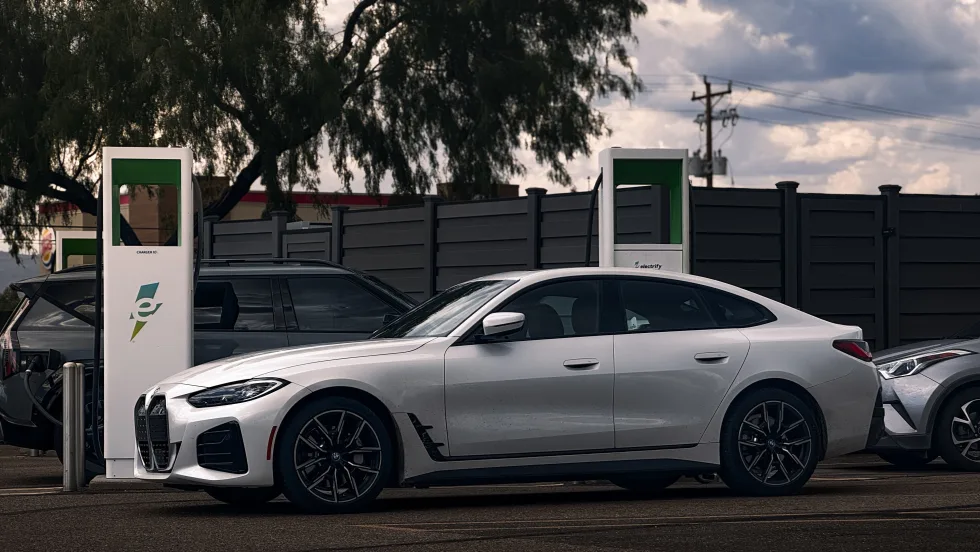
EV Buyer Consideration Shifts
What drives American consumers to purchase an electric vehicle is shifting as the question moves away from Should I?' to 'Which features and experience do I want to have?'
Read More →
Year-to-Date Auto Sales Holding Their Own
A forecast through August shows that automakers have shifted strategies to keep deliveries and revenues up despite tariffs and other economic challenges.
Read More →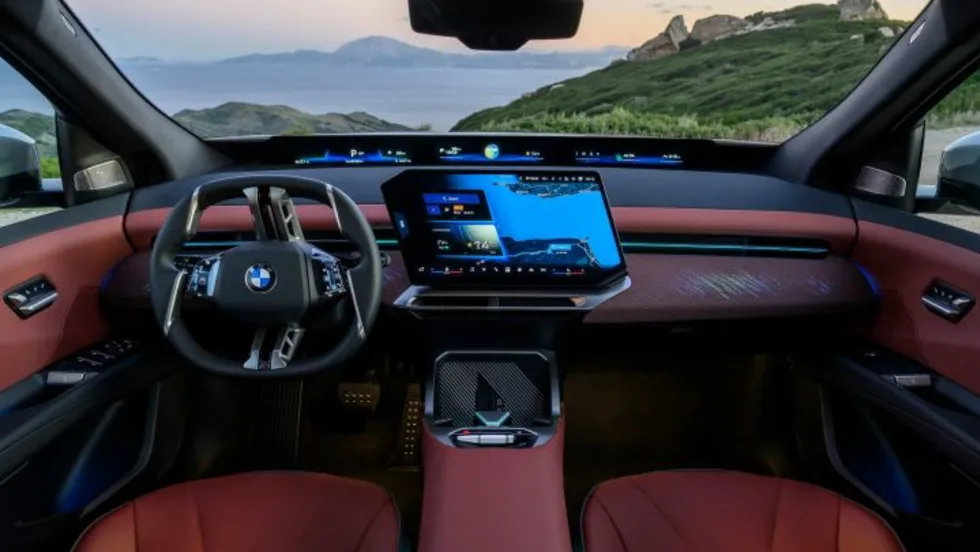
Slow to Robo
Ten years of polling consumers shows autonomous vehicles’ profiles have risen considerably, but even more people now want at least some level of control if they go that route.
Read More →
Dealers a Little Down
A third-quarter Cox Automotive survey finds them in a mixed mood, bummed by fallen customer traffic but encouraged by better profits, costs and EV interest.
Read More →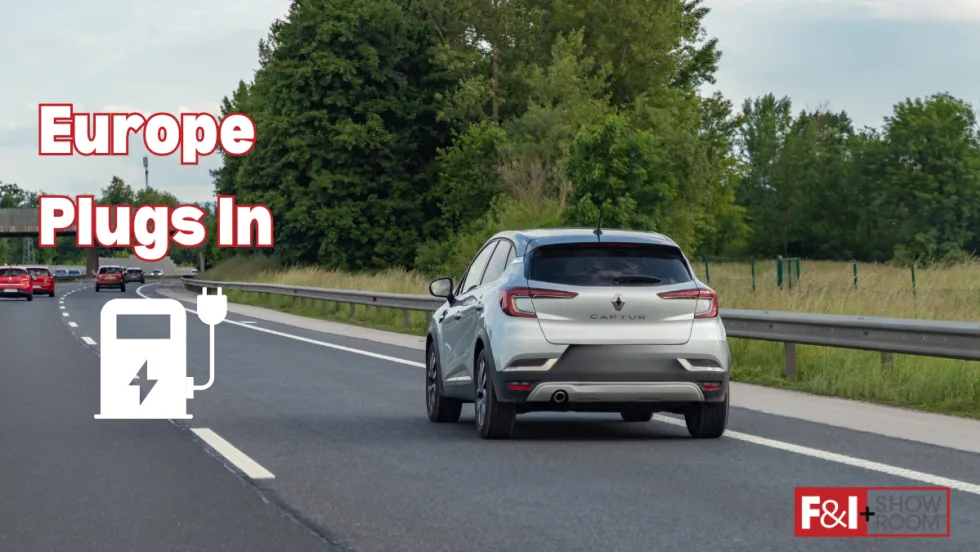
European EV Sales Skyrocket
The EV market on the continent held strong in July with almost 25% of new-car sales being fully electric units, a stark contrast to the U.S., where EV sales declined about 42%.
Read More →
Mitsubishi Unveils U.S. Plan
The automaker announced a strategy that includes an expanded lineup and dealership presence, along with more ‘rugged’ and electric models.
Read More →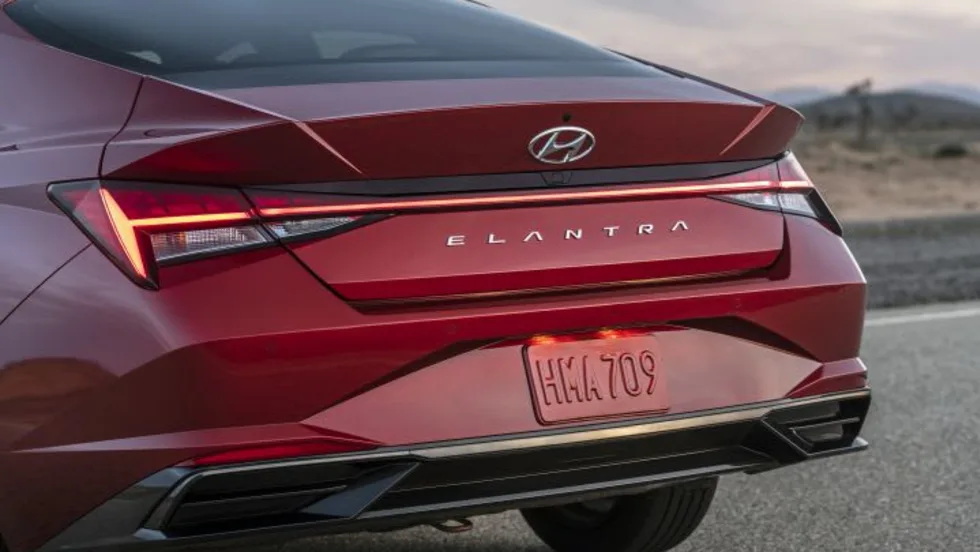
Used Lots Getting the Business
Many consumers are seeking out the units to save money, and the demand – higher in July than normal – is keeping supply limited and prices up.
Read More →
Used Market Stabilizes
The Carfax Used Car Index noted a major drop in used-vehicle price increases in July after several months of hikes.
Read More →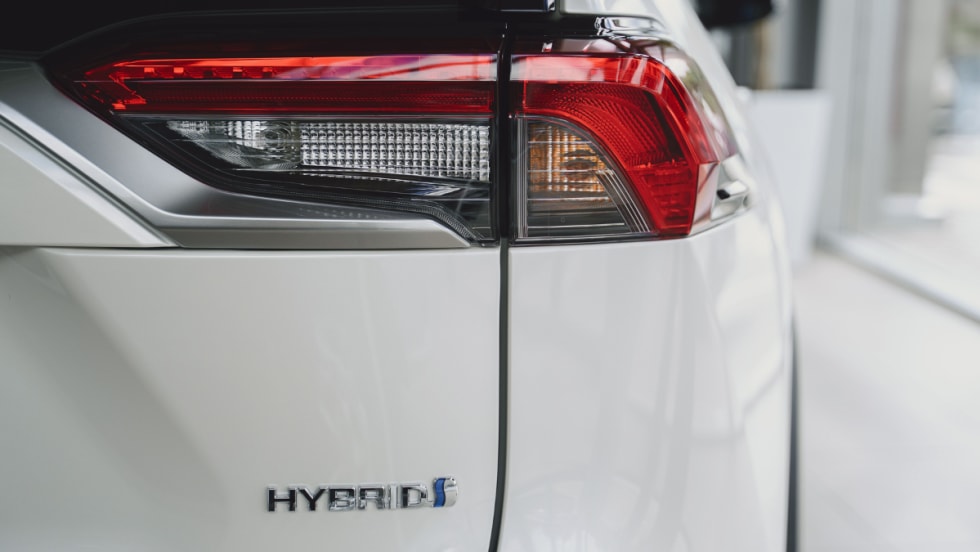
California Hybrids Reach State Record
The Golden State still leads the country in electric-vehicle registrations, but much like the rest of the U.S. its hybrid market share is up while full electrics stabilize after a dramatic first-quarter dip.
Read More →