



Marketing in Uncertainty: Best Practices for Car Dealerships
It’s a natural reaction for dealerships to respond to uncertainty by hitting pause on operations, but this lacks the balance needed to come out stronger on the other side.

It’s a natural reaction for dealerships to respond to uncertainty by hitting pause on operations, but this lacks the balance needed to come out stronger on the other side.
IMAGE: Dusanpetkovic via GettyImages.com
2020 is behind us, yet automotive remains keenly aware of the lingering impacts and uncertainty that continue to test resiliency. The wake 2020 left for car dealerships is as wide-ranging as the individual, local, state, and national responses to the pandemic. For some, quick marketing pivots and coveted inventory reaped great gain. For others, 2020 tells a different story. What we take into 2021 is experience and perspective that can and should shape your dealership’s response to any uncertainty this year will bring.
The industry and your dealership are not only resilient, but positioned to thrive!
At the time I am writing this, we are carefully watching the distribution of a COVID-19 vaccine, the economic impacts of sustained cases, and the transition of a presidential administration. Yes, the times are unlike anything our country has ever seen. However, what we know from historical uncertainty and what we learned from the initial impact of the pandemic, is that companies that find ways to continue pressing forward can significantly lessen the time it will take for them to recover and are more successful on the other side.
With this as our lens, let’s dig into a few ways 2020 shaped automotive and some best practices to guide your dealership’s marketing strategy.
Re-balance of Supply and Demand Requires Presence and Precision
One of the biggest stories for dealers in 2020 was inventory levels. For the first time in years, many dealerships had more shopper demand than supply, especially for highly sought-after SUVs and trucks. Production levels have fought their way back and enter 2021 at 17% of their typical inventory, somewhat leveling the balance of supply and demand. It is unknown if a lag in inventory levels is a temporary or a long-term approach. We do know that this balance makes the market even more competitive and requires your dealership to maintain a consistent presence in front of consumers. If precision marketing wasn’t a pre-requisite before, it is essential to maintain a competitive edge in today’s market.
And yes, demand is there. Client Command reports an upward trend of 20% more online shoppers year-over-year from January 2020. And if the uncertainty mentioned above begins to impact the number of online shoppers, your marketing must be able to adjust. After all, the more cars you sell, the more OEMs will prioritize refilling your inventory.
Application: First and foremost, keep the lights on. Secondly, choose marketing partners and strategies built on today’s data. You simply must know who is in market today and invest your dollars there.
Higher Transaction Prices and Consumer-Focused Marketing Driving Gross Profit Surge
Speaking of inventory, it is well-known that the supply and demand dynamics of 2020 contributed to a windfall for dealerships. Squeezed on new car gross profit in past years, 2020 has changed those dynamics as consumers spent 10% more for a vehicle and dealers maintained gross by less negotiation on limited inventory. Yes, inventory is a significant part of increased profit, but so is the shift dealers made in customer experience, especially during temporary dealership closings and initial public concern over COVID-19 cases. Obviously, digital retailing is key here, but let’s not miss the shifts in marketing which are influencing gross profit — specifically the concerted effort to create a one-on-one experience for a consumer.
This is crucial for engaging new buyers who come into the market with different expectations of the car buying experience. And for them, that experience starts long before they walk in or engage on a dealer’s website. They are going to want to know if you have the inventory they want and know if you will provide the experience they expect. When you showcase both in the early stages of their journey, trust is built and transaction prices rise.
Application: Make sure your marketing delivers relevant messaging that is customer-focused. This is only possible if you know where a shopper is in their purchase journey. Knowing this will enable you to bring the showroom to a shopper’s online device, the team culture to their social media feed, and messages that make their experience easier to their inbox.
Acceleration of Digital Retailing Shortens Your Window of Influence
I briefly mentioned digital retailing earlier. I won’t park here long, but suffice it to say, dealerships now have less time to influence a sale, especially for new buyers. A recent poll showed that 65% of auto purchasers expect more online options for purchasing a vehicle. I don’t think the online experience will replace the physical showroom completely, but your digital retailing tools are necessary to engage shoppers as they prepare to buy.
What you cannot miss is the impact this has to your overall marketing strategy. I’m not talking about your website, even though this is the most obvious impact. I am talking about the need to engage shoppers sooner in their purchase process so that your online tools are used effectively. Our attribution data shows the timeframe from first marketing touch to purchase dropped more than 14 days over the second half of the year — that’s two weeks. As an industry, we’ve become accustomed to that window decreasing 2-3 days a year. Your marketing strategy cannot hang out at the bottom of the funnel, because frankly, your data will likely miss it.
Application: Build a marketing strategy that prioritizes getting to a shopper as soon as they enter the market. Purchased data from 90 days ago or mined from your database is simply insufficient in driving the maximum value from your digital retailing tools.
It’s a natural reaction for dealerships to respond to uncertainty by hitting pause on operations, on marketing or on both. What we’ve learned from the past 10 months (and from history) is that this instinct may bring immediate relief, but lacks the balance needed to navigate uncertain economic times and come out on the other side stronger than you were before.
Balance means resisting the urge to go dark, prioritizing efficiency through data-driven strategies and strategically investing in marketing that keeps your inventory in front of shoppers ready to buy.
So, let’s resist the instinct and continue pressing forward. The industry and your dealership are not only resilient, but positioned to thrive!
Chris Martin is Client Command’s SVP of customer development.
READ: Used Inventory in High Demand: How Dealers Can Sell More F&I Products in 2021
Originally posted on Auto Dealer Today
More Showroom
California Sees Quarterly Gains
California’s new-vehicle market saw a boost in hybrids in the third quarter and its first overall quarterly market gain of the year.
Read More →
New-Vehicle Prices Stay Put
Affordability pressures and model availability shaped new-vehicle sales in September, according to an analysis by Kelley Blue Book.
Read More →
EV Buyer Consideration Shifts
What drives American consumers to purchase an electric vehicle is shifting as the question moves away from Should I?' to 'Which features and experience do I want to have?'
Read More →
Year-to-Date Auto Sales Holding Their Own
A forecast through August shows that automakers have shifted strategies to keep deliveries and revenues up despite tariffs and other economic challenges.
Read More →
Slow to Robo
Ten years of polling consumers shows autonomous vehicles’ profiles have risen considerably, but even more people now want at least some level of control if they go that route.
Read More →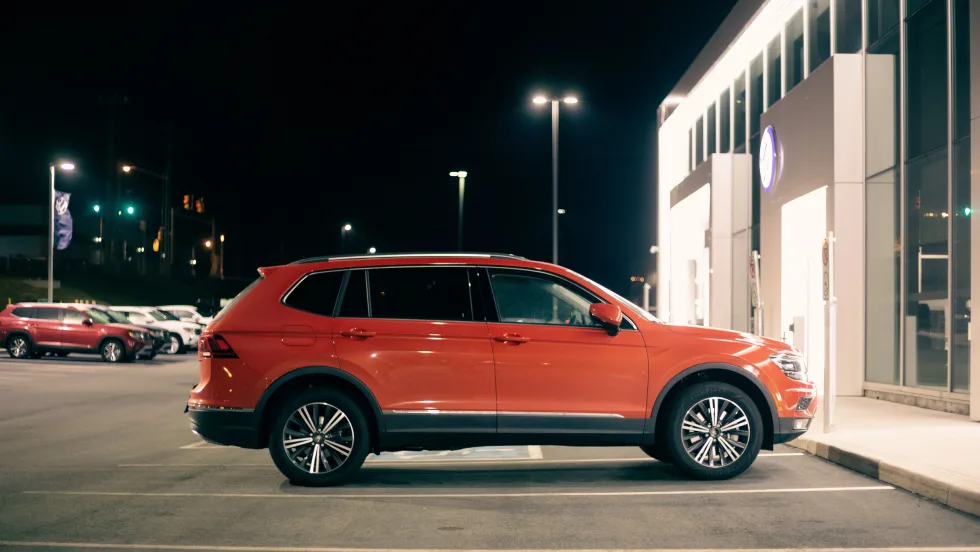
Dealers a Little Down
A third-quarter Cox Automotive survey finds them in a mixed mood, bummed by fallen customer traffic but encouraged by better profits, costs and EV interest.
Read More →
European EV Sales Skyrocket
The EV market on the continent held strong in July with almost 25% of new-car sales being fully electric units, a stark contrast to the U.S., where EV sales declined about 42%.
Read More →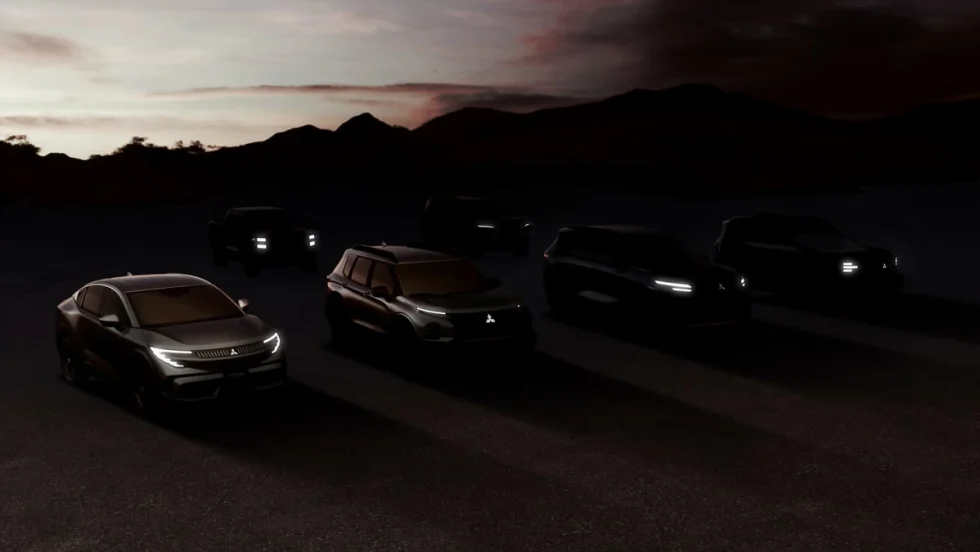
Mitsubishi Unveils U.S. Plan
The automaker announced a strategy that includes an expanded lineup and dealership presence, along with more ‘rugged’ and electric models.
Read More →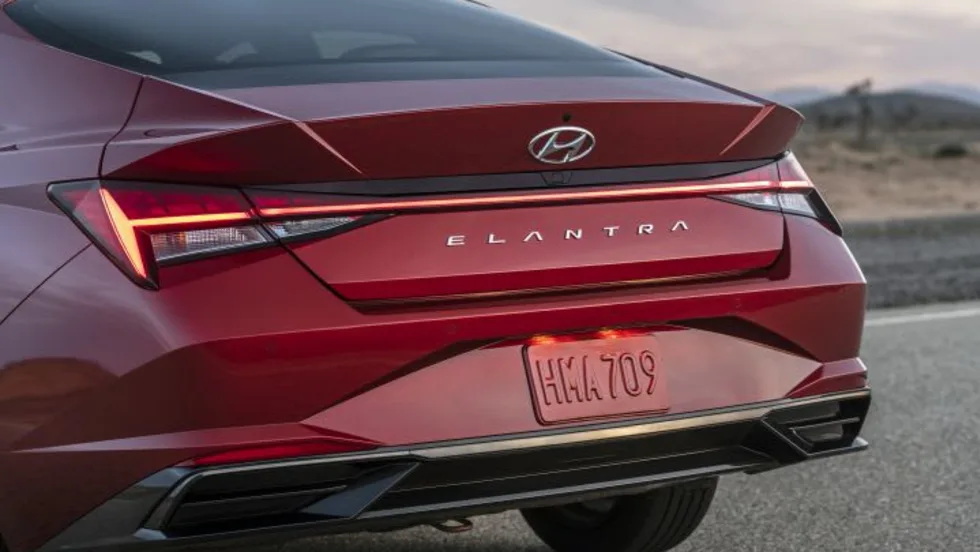
Used Lots Getting the Business
Many consumers are seeking out the units to save money, and the demand – higher in July than normal – is keeping supply limited and prices up.
Read More →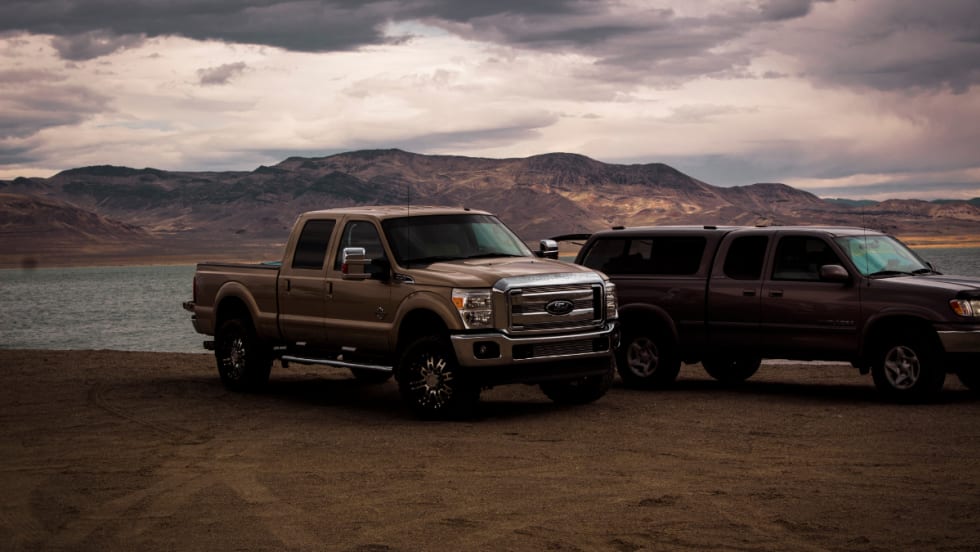
Used Market Stabilizes
The Carfax Used Car Index noted a major drop in used-vehicle price increases in July after several months of hikes.
Read More →