



Move Over EVs
Commercial vehicles are the silent profit driver for dealerships.
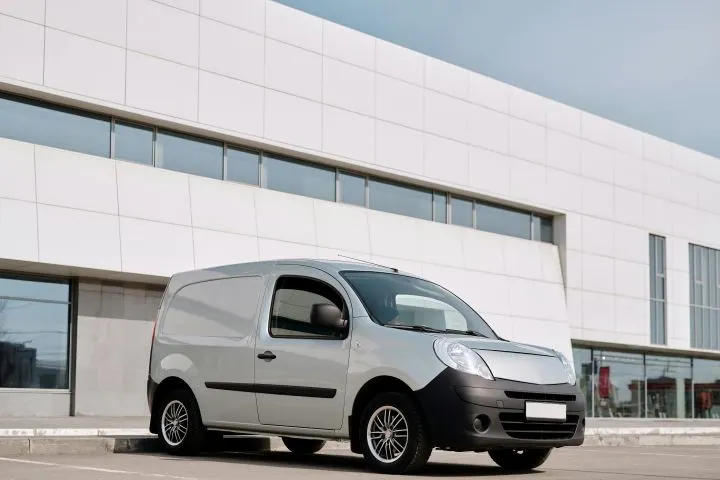
Business owners' livelihoods depend on reliable vehicles, making them less susceptible to economic and political fluctuations.
Pexels/Norma Mortenson
Electric vehicles were supposed to be the next big driver for dealerships. But challenges overcoming consumer doubt, combined with inventory shortages that rocked the entire car-buying industry during the COVID-19 pandemic, left room for an unexpected opportunity for dealerships. That same pandemic catapulted the growth of last-mile and home-delivery services, reshaping the global business environment. And though the world has moved on from the multiyear pandemic, the significant business opportunity for the commercial vehicle industry has not passed.
The Profitable Shift for Dealerships
While the pandemic presented challenges for dealerships, it also highlighted the stability and profitability of commercial-vehicle sales. Today, vehicle inventory levels are more in line with prepandemic levels, yet the economy presents a different slate of challenges.
Retail auto buyers are more often shopping based on a want rather than a need, which means delaying a purchase doesn’t have the same ramifications as it does for commercial customers.
Business owners are driven by necessity. Their livelihoods depend on reliable vehicles, making them less susceptible to economic and political fluctuations, such as the season dealers find themselves in today with still-high interest rates.
The Power of Commercial Customers
Selling to businesses unlocks a powerful growth engine for dealerships — a “one-to-many” dynamic. Commercial customers are definitely in-market when they are shopping, and often buy more than one vehicle. Commercial-vehicle shoppers are also more likely to recommend a dealership to friends, family and employees who are also buying a vehicle, resulting in one customer and many vehicle sales. With retail buyers, the opposite is true; it’s a many-to-one scenario, with up to 10 prospects resulting in only one vehicle sale. As you can see, the math is much more favorable for a dealership on the commercial side of the business.
Commercial Sales Go Beyond the Initial Sale
Commercial vehicles also provide long-term revenue opportunities. Business owners prioritize vehicle uptime to minimize downtime, costing them from $2,500 to $5,000 per day that a vehicle is down. This translates into a more proactive approach around maintenance, and thus increased service revenue. Some dealerships report repair order values from commercial customers are 2 ½ times higher than retail customers.
OEMs Driving the Commercial Shift
OEMs have recognized the potential of the commercial-vehicle market and are investing in dedicated divisions and support programs. The initiatives provide dealerships with the tools and resources to support the surging demand of this segment, such as expanded inventory, streamlined financing, and innovative solutions, like mobile service, telematics and fleet-management tools that enhance vehicle uptime. That level of support enables dealerships to cultivate more robust and valuable relationships with local businesses, opening doors to new revenue streams and seamlessly integrating commercial operations into their existing business models.
A Path to Profitability
Dealerships that embrace the commercial-vehicle market can unlock significant growth and profitability. New dedicated commercial divisions, like Ram Professional, Ford Pro, and GM Envolve underscore the significant shift in the industry's focus. By understanding the needs of commercial customers, focusing on their unique market drivers, leveraging OEM support, and adopting innovative strategies, dealerships can position themselves for long-term success in a dynamic industry.
Steve Henning is vice president of marketing at Work Truck Solutions.
More Showroom
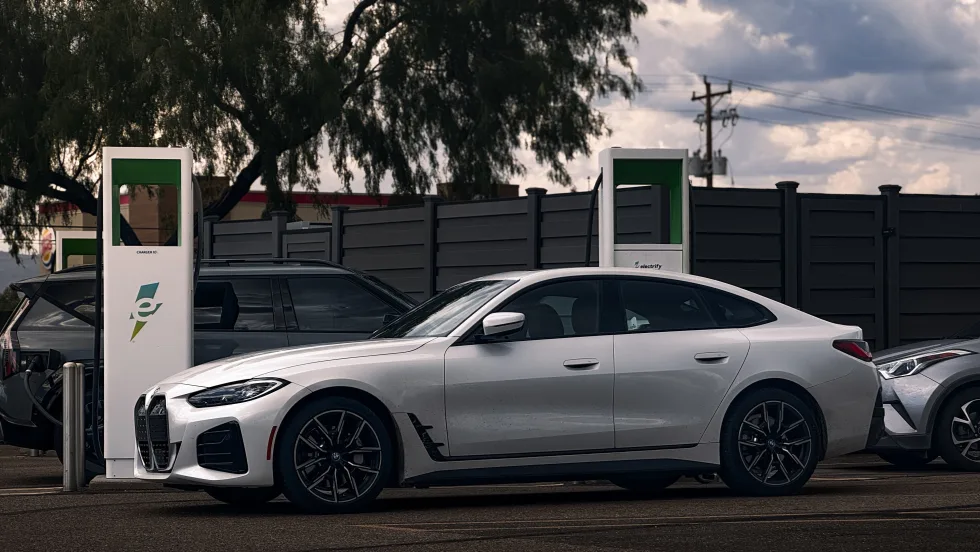
EV Buyer Consideration Shifts
What drives American consumers to purchase an electric vehicle is shifting as the question moves away from Should I?' to 'Which features and experience do I want to have?'
Read More →
Year-to-Date Auto Sales Holding Their Own
A forecast through August shows that automakers have shifted strategies to keep deliveries and revenues up despite tariffs and other economic challenges.
Read More →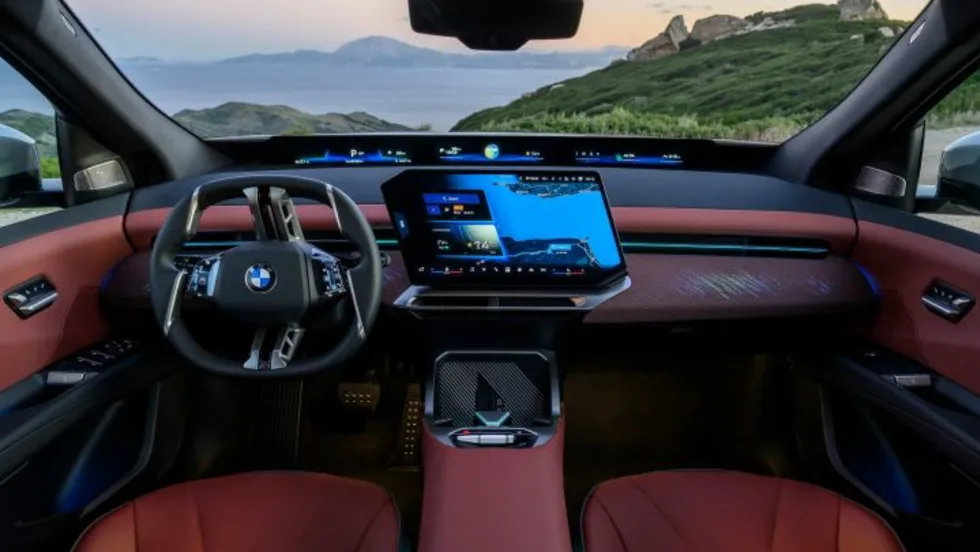
Slow to Robo
Ten years of polling consumers shows autonomous vehicles’ profiles have risen considerably, but even more people now want at least some level of control if they go that route.
Read More →
Dealers a Little Down
A third-quarter Cox Automotive survey finds them in a mixed mood, bummed by fallen customer traffic but encouraged by better profits, costs and EV interest.
Read More →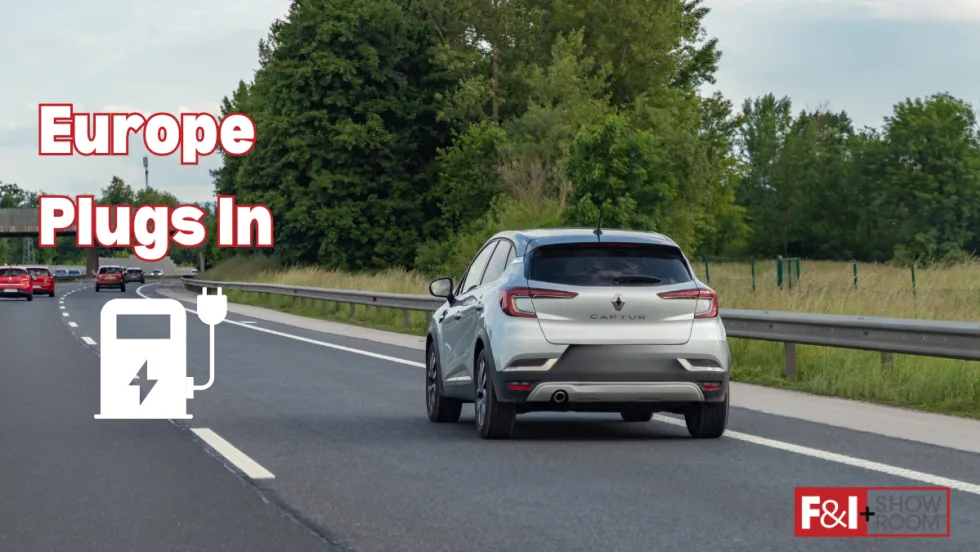
European EV Sales Skyrocket
The EV market on the continent held strong in July with almost 25% of new-car sales being fully electric units, a stark contrast to the U.S., where EV sales declined about 42%.
Read More →
Mitsubishi Unveils U.S. Plan
The automaker announced a strategy that includes an expanded lineup and dealership presence, along with more ‘rugged’ and electric models.
Read More →
Used Lots Getting the Business
Many consumers are seeking out the units to save money, and the demand – higher in July than normal – is keeping supply limited and prices up.
Read More →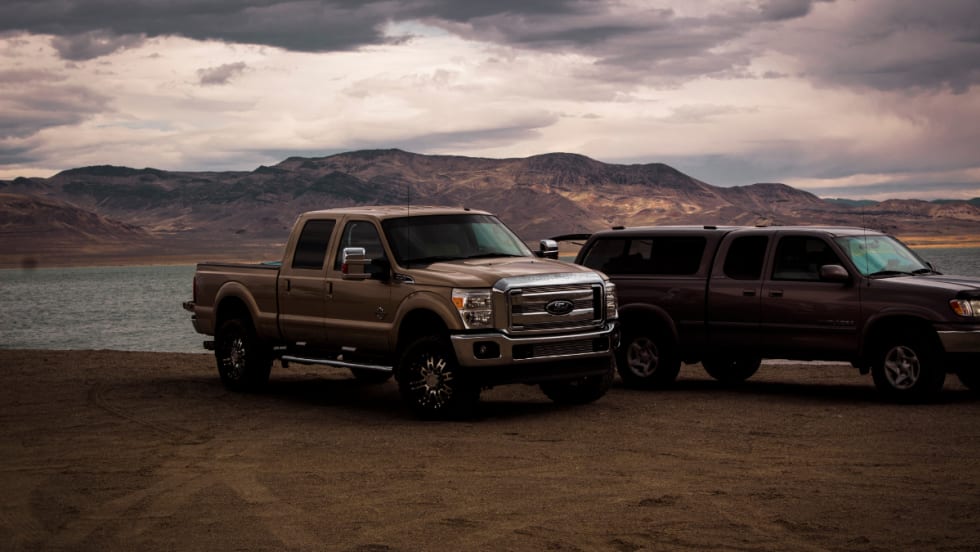
Used Market Stabilizes
The Carfax Used Car Index noted a major drop in used-vehicle price increases in July after several months of hikes.
Read More →
California Hybrids Reach State Record
The Golden State still leads the country in electric-vehicle registrations, but much like the rest of the U.S. its hybrid market share is up while full electrics stabilize after a dramatic first-quarter dip.
Read More →
My Mercedes in the U.S.
The German brand debuted its studio dealership concept for the first time in the states in Los Angeles, tapping Americans’ penchant for creative distinctions.
Read More →