



The Emotional Side of Selling
Top trainer reminds F&I pros to occasionally set aside the logical flow of product presentations and let emotions take over.

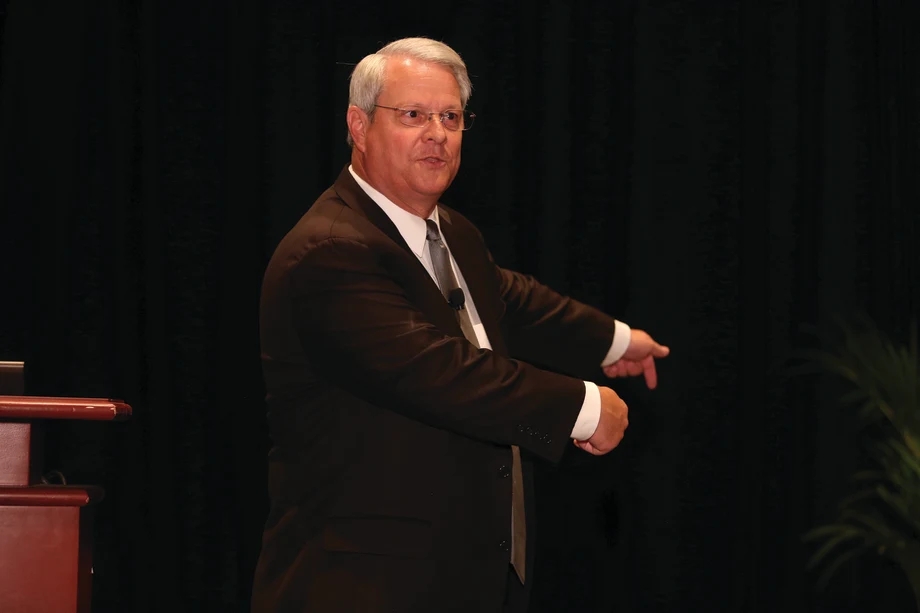
Rick McCormick was one of the featured trainers at Industry Summit 2015, held at the Paris Las Vegas this past September. He presented "Growing F&I From the Inside Out."
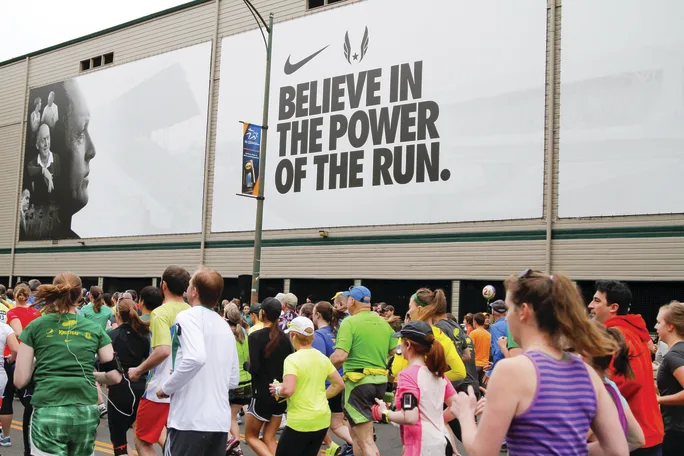
Photo Courtesy of iStock images.
In the world of F&I, we have dedicated a high percentage of our efforts to developing a logical plan to present our products and overcome any objections we encounter. And the many hours we have role-played with another F&I manager and worked on the best way to move past an objection have not been in vain, as logic plays an integral role in a customer’s decision to buy. But we must remember to put logic in its proper place.
Buying intangible products is an emotional decision; however, customers may have a difficult time making the final decision unless they can justify it logically. See, while facts may be both important and relative to the customer, they are almost never the reason customers buy.
Recently, I read a very powerful statement from Scott Bedbury. In the course of his illustrious marketing career, he created the “Just Do It” slogan for Nike and brought us Frappuccino while working with Starbucks. He said, “Emotions drive most, if not all, of our decisions. A brand reaches out with a powerful connecting experience. It’s an emotional connection point that transcends the product.”
He’s right. Browse commercials for Starbucks and Nike and you will be hard-pressed to find more than a few words about the product itself. But you will quickly learn what the product will do for you and how it will make you feel. Take the recent Gatorade commercial featuring Serena Williams, which has garnered nearly eight million views on YouTube. Instead of focusing on the sports drink, it tells an emotional story of how Serena grew into the star she is today and ended with the slogan, “Win From Within.” So if you want to be a great athlete, wear Nikes and drink Gatorade. On your way home, don’t forget to visit Starbucks, where “Good things happen when we get together at Starbucks.”
See, selling the emotional reasons for buying a product will work for coffee, sports drinks and tennis shoes, and it will work just as well for the intangible products in F&I. Hey, we know customers rarely buy product because of what it actually is; they buy because of how the coverage makes them feel — protected, safe and financially prepared for the cost of an expensive repair. Let’s look at three points in the F&I process where we can focus on the emotional side of selling.
1. Connecting initially on an emotional level: The first few minutes of a customer interaction will determine if they like you and the level of trust they feel. If the first few minutes are used to gather information that is perceived as an effort to set up the sale of products, we have missed a great opportunity to express a genuine interest in getting to know the customer.
I recently heard an F&I manager kick off his process by making this request: “One of the fun things I get to do every day is hear the unique stories of customers and what they do. Tell me more about you.” The customer responded by explaining how his private investment company functions and some of the exciting deals he has worked on. The producer made no overt efforts during the initial interaction to uncover a need for a product; it was a genuine effort to gain trust by emotionally connecting with the customer. The deal started off right, and it led to an honest exchange that resulted in the sale of several products the customer knew would make issues more convenient to address and save him time as well.
The emotional side of selling must be established in the earliest stages of the F&I process to create a comfortable environment in which needs can be uncovered and, more importantly, enables the customer — not just you — to see the need. Once you enter the selling stage, the level of trust must already be established.
2. Connecting emotionally when presenting the menu: The menu is not a list of products the dealership offers to customers. The menu must be viewed by the F&I manager as containing options that belong to the customer, who can choose to keep or give them back if he feels he doesn’t need them. Making a simple statement that denotes ownership can emotionally tie the customer to the products: “This is your vehicle service contract. It covers you for 60 months and 60,000 miles on your new Ford.” Just like that, you have established an emotional connection between the product and the customer.
Now, when moving from one option to the next in your initial disclosure of the menu, simply state: “The Standard Option is just like the Preferred, except you forfeit the environmental protection.” Invoking the emotion of forfeiting or giving up something makes the customer think twice before quickly discounting the products.
After the customer says “No” to the products offered, a statement should be made that makes the customer concerned they are missing something and curious as to what we know. Both are good emotions that move customers away from “No” and open to discussing why particular products are important to them. Try this: “That surprises me. There were a couple of things I think might be critical in your situation, especially after what you said earlier.”
3. Using emotion to lead the effort to overcome objections: To overcome objections, you must combine the emotional and logical sides of the sale in order to move the customer to a buying decision, one that’s based on what makes sense in his or her situation. And the most powerful tools to tie the customer emotionally to a product and move them to say “Yes” are their own words.
See, “You told me earlier” makes them aware that the reason to discuss the product further is based on what they said early in the process about their situation. Customers can resist discussing products we are pressing them to buy, but it is hard to disagree with your own words. “You told me earlier you drive 20,000 miles a year and there are two products that are critical for the high-mileage driver.” This statement can make them “thirsty” for more information and more likely to consider the coverage since it is tailored to their needs.
The emotional side of the sale creates urgency, while the logical side can be used to describe the exact coverage provided. It is magical to watch as a customer senses the urgency of buying a product because it was presented effectively, and then see the F&I manager use the logical attributes of the product to close the sale.
You may not be selling coffee, sports drinks or tennis shoes, but then again, Starbucks, Gatorade and Nike aren’t either. They are selling an idea, a feeling and need fulfilment. So sell from the emotional side and enjoy the resulting increase in sales.
Rick McCormick is the national account development manager for Reahard & Associates Inc., an F&I training company providing classes, workshops, in-dealership and online training. Email him at rick.mccormick@bobit.com.
More F&I

AI: Facilitator, Not Fixer, in F&I
The dealerships that thrive in the years ahead will be those that embrace technology while continuing to invest in the people who make customer interactions count.
Read More →
Modern Technology Objection Handling
In this video, Trent White shares how to confidently handle technology-based objections by helping customers understand the value of protection, even with modern vehicle technology.
Read More →
Consistency at Scale: Driving F&I Performance
With 75 rooftops across the Sunshine State, Morgan Auto Group has proven to Floridians that it knows a thing or two about driving performance in a competitive market. But it didn’t start at the top.
Read More →
Gitty Up on GAP
The foundational finance-and-insurance product hasn’t kept up with the latest conditions for auto dealers. Is the time ripe?
Read More →
How AI-Powered Coaching Is Transforming F&I Performance
See how AI-powered coaching can turn F&I customer conversations into actionable insights that support compliance, performance and profitability
Read More →
Sell Value, Build Trust
In this video, Trent White explains why selling on value, not fear, builds lasting customer trust, reduces cancellations, and drives long-term success.
Read More →
F&I Sales Give Dealers First-Half Lift
Product business shored up total profits to avoid an overall revenue tanking as product penetrations held steady, StoneEagle reported.
Read More →
Targeted Training Drives Results
Today’s technology, instead of threatening F&I managers, can actually make them better, according to an industry veteran who’s watched market setbacks roil the unprepared.
Read More →
Double the Change, Double the Chance
When an F&I manager gets a customer refusal, it’s a wise move to tweak more than one thing in the product offering.
Read More →
Just Do It
F&I managers need training, but instead of resisting application or expecting perfection, they should improve by simply acting on what they learn.
Read More →