



4 Automakers Offer Auto-Braking Standard on Most Cars
Four of 20 automakers reported that automatic emergency braking (AEB) is standard on more than half of their 2017 model-year vehicles, according to an update released jointly by the National Highway Traffic Safety Administration and the Insurance Institute for Highway Safety.
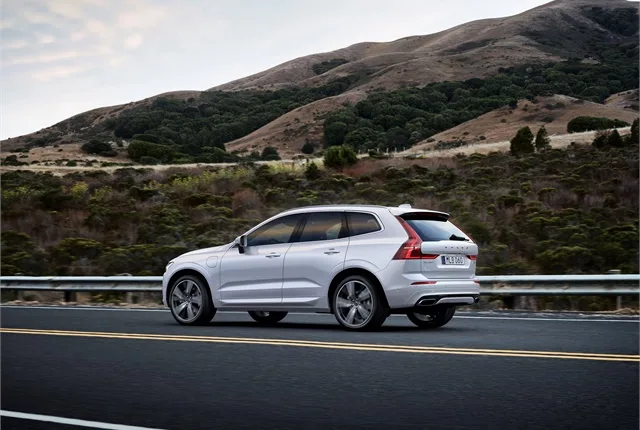
The 2017 Volvo XC60 SUV includes an updated City Safety AEB system. Photo courtesy of Volvo
Four of 20 automakers reported that automatic emergency braking (AEB) is standard on more than half of their 2017 model-year vehicles, according to an update released jointly by the National Highway Traffic Safety Administration and the Insurance Institute for Highway Safety.
The four automakers are Tesla (99.8% of fleet), Mercedes-Benz (96%), Volvo (68%) and Toyota (56%). They are followed by Honda (30%), Hyundai (9%) and Kia (5%).
Even without making AEB standard, another five automakers reported that at least 30% of vehicles they produced in 2017 are equipped with AEB. They are Audi (73%), BMW (58%), Subaru (47%), Volkswagen (36%) and Maserati/Alfa Romeo (30%).
The 20 automakers previously agreed to voluntarily equip virtually all of their new passenger vehicles with a low-speed AEB system by September 2022. These systems will include forward collision warning. The technology is designed to prevent and mitigate front-to-rear crashes.
“The growing number of vehicles offering automated emergency braking is good news for America’s motorists and passengers,” said U.S. Transportation Secretary Elaine L. Chao. “With each model year, manufacturers will increasingly utilize technology to allow vehicles to ‘see’ the world around them and navigate it more safely.”
The voluntary agreement to make AEB standard was announced in March 2016. The goal is to get the technology into a wider swath of the vehicle fleet faster.
“IIHS is pleased to see that automakers are steadily moving toward the shared goal of putting standard AEB into every new car they sell,” said David Zuby, executive vice president and chief research officer of IIHS. “This is a big win for safety on our nation’s roads, which will see fewer crashes and injuries because of this commitment.”
By 2025, the commitment will prevent 28,000 crashes and 12,000 injuries, IIHS estimated. Consumer Reports has agreed to assist in monitoring automaker progress.
“This progress is great news for luxury car buyers and many others, but many automakers still need to do more, as Consumer Reports analysis indicates that only 19% of 2017 models included these lifesaving technologies as standard features,” said David Friedman, director of cars and product policy and analysis at Consumers Union. Consumers Union is the policy and mobilization division of Consumer Reports.
“Automakers, safety groups and the government should also work together to make highway operation and pedestrian detection standard features on all AEB systems,” Friedman added.
Manufacturers recently submitted their first yearly AEB agreement progress reports for vehicles manufactured from Sept. 1, 2016, through Aug. 31, 2017, for the U.S. market.
The participating automakers include Audi, BMW, Fiat Chrysler, Ford, General Motors, Honda, Hyundai, Jaguar Land Rover, Kia, Maserati, Mazda, Mercedes-Benz, Mitsubishi Motors, Nissan, Porsche, Subaru, Tesla Motors, Toyota, Volkswagen and Volvo. These companies represent more than 99% of the U.S. automobile market.
Toyota is the frontrunner when it comes to having the largest number of 2017 vehicles with standard AEB. The automaker equipped 56% of its 2017 fleet — 1.4 of 2.5 million vehicles — with AEB. General Motors has the second-highest number of 2017 models with AEB — 551,777 of 2.8 million vehicles, representing 20% of its 2017 fleet. Honda is third-highest with 492,330 of 1.6 million vehicles with AEB, representing 30% of its 2017 fleet.
Other manufacturers have yet to make significant progress. Fewer than 10% of 2017 vehicles sold by Fiat Chrysler, Ford, Hyundai, Kia and Mitsubishi have AEB. Jaguar Land Rover and Porsche didn’t offer the feature at all on 2017 vehicles.
More Showroom
California Sees Quarterly Gains
California’s new-vehicle market saw a boost in hybrids in the third quarter and its first overall quarterly market gain of the year.
Read More →
New-Vehicle Prices Stay Put
Affordability pressures and model availability shaped new-vehicle sales in September, according to an analysis by Kelley Blue Book.
Read More →
EV Buyer Consideration Shifts
What drives American consumers to purchase an electric vehicle is shifting as the question moves away from Should I?' to 'Which features and experience do I want to have?'
Read More →
Year-to-Date Auto Sales Holding Their Own
A forecast through August shows that automakers have shifted strategies to keep deliveries and revenues up despite tariffs and other economic challenges.
Read More →
Slow to Robo
Ten years of polling consumers shows autonomous vehicles’ profiles have risen considerably, but even more people now want at least some level of control if they go that route.
Read More →
Dealers a Little Down
A third-quarter Cox Automotive survey finds them in a mixed mood, bummed by fallen customer traffic but encouraged by better profits, costs and EV interest.
Read More →
European EV Sales Skyrocket
The EV market on the continent held strong in July with almost 25% of new-car sales being fully electric units, a stark contrast to the U.S., where EV sales declined about 42%.
Read More →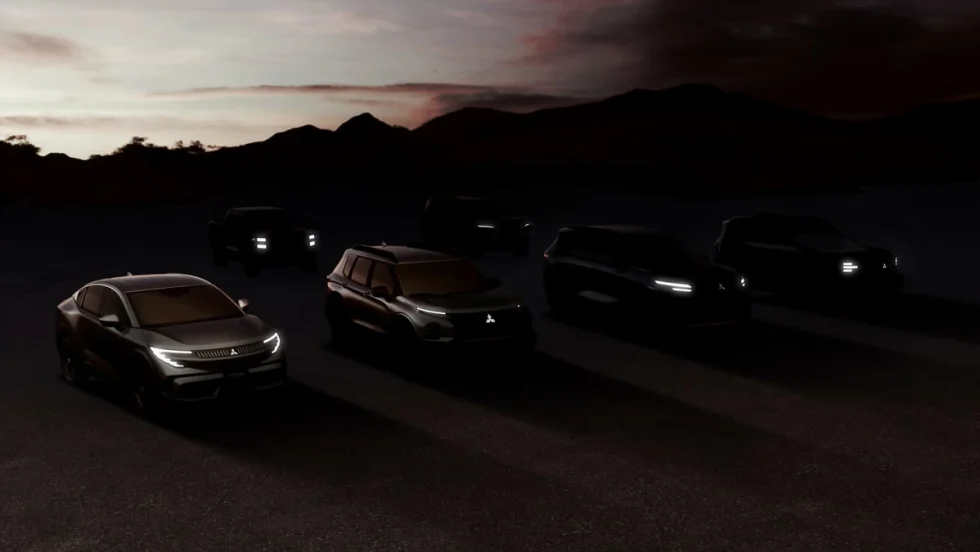
Mitsubishi Unveils U.S. Plan
The automaker announced a strategy that includes an expanded lineup and dealership presence, along with more ‘rugged’ and electric models.
Read More →
Used Lots Getting the Business
Many consumers are seeking out the units to save money, and the demand – higher in July than normal – is keeping supply limited and prices up.
Read More →
Used Market Stabilizes
The Carfax Used Car Index noted a major drop in used-vehicle price increases in July after several months of hikes.
Read More →