



Mitsubishi Sets Growth Strategy, Structural Transformation
The Japanese automaker aims to 'strengthen products and technologies that embody its brand identity,' focus on its strongest markets and expand value-chain businesses 'that leverage its unique strengths.'


Mitsubishi plans to focus resources on its strengths, like off-road vehicles, and to launch 13 models over the next six years.
Pexels/Matheus Bertelli
Mitsubishi Motors announced a new brand-driven mid-to long-term vision beginning in fiscal year 2026 and looking ahead to the 2030s.
The company said it “aims to enhance customer satisfaction and corporate value by strengthening distinctive products and the brand.”
Alongside the new growth strategy, Mitsubishi plans to “enhance cost competitiveness, optimize its break-even point in line with business scale and improve productivity through [artificial intelligence] and digital transformation” via a structural transformation.
Key initiatives of the Japanese automaker’s updated vision include:
• Launching the all-new Pajero in the current fiscal year. It discontinued the cross-country SUV in overseas markets in 2021 and characterizes the relaunch as an embodiment of the brand that it plans to develop into a series.
• Focusing resources on the brand’s strengths, like off-road vehicles, and launching 13 models over the next six years
• Promoting its “Revenue Enhancement Strategy 2.0” to evolve its value proposition
• Strengthening business beyond new-vehicle sales by supporting used-car sales, sales financing, after-sales services and parts and accessories
• Optimizing parts and component sharing and promoting global procurement strategies
• Leveraging new and existing alliances and partnerships to complement its product lineup
Mitsubishi, said it's targeting an operating profit of approximately $999 million and an operating margin of 4.5% in fiscal year 2029. For fiscal year 2030 and onward, it aims to achieve an operating profit of about $1.25 million to $1.5 million and an operating margin of 5.5% or higher.
The automaker also plans to invest approximately $6.25 billion, with shareholder returns totaling around $625 million.
More Showroom
California Sees Quarterly Gains
California’s new-vehicle market saw a boost in hybrids in the third quarter and its first overall quarterly market gain of the year.
Read More →
New-Vehicle Prices Stay Put
Affordability pressures and model availability shaped new-vehicle sales in September, according to an analysis by Kelley Blue Book.
Read More →
EV Buyer Consideration Shifts
What drives American consumers to purchase an electric vehicle is shifting as the question moves away from Should I?' to 'Which features and experience do I want to have?'
Read More →
Year-to-Date Auto Sales Holding Their Own
A forecast through August shows that automakers have shifted strategies to keep deliveries and revenues up despite tariffs and other economic challenges.
Read More →
Slow to Robo
Ten years of polling consumers shows autonomous vehicles’ profiles have risen considerably, but even more people now want at least some level of control if they go that route.
Read More →
Dealers a Little Down
A third-quarter Cox Automotive survey finds them in a mixed mood, bummed by fallen customer traffic but encouraged by better profits, costs and EV interest.
Read More →
European EV Sales Skyrocket
The EV market on the continent held strong in July with almost 25% of new-car sales being fully electric units, a stark contrast to the U.S., where EV sales declined about 42%.
Read More →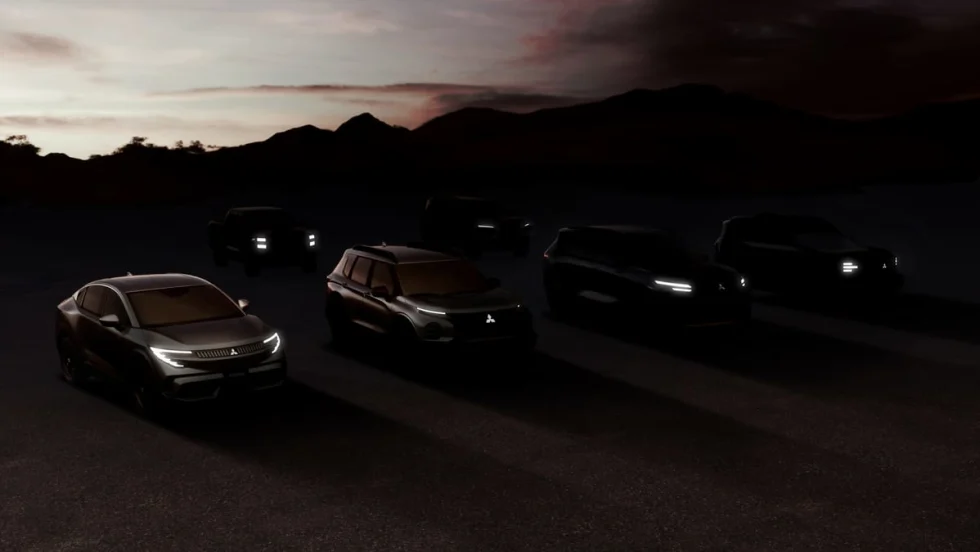
Mitsubishi Unveils U.S. Plan
The automaker announced a strategy that includes an expanded lineup and dealership presence, along with more ‘rugged’ and electric models.
Read More →
Used Lots Getting the Business
Many consumers are seeking out the units to save money, and the demand – higher in July than normal – is keeping supply limited and prices up.
Read More →
Used Market Stabilizes
The Carfax Used Car Index noted a major drop in used-vehicle price increases in July after several months of hikes.
Read More →