



AAA: Your Customers Need New Headlights
Dealers seeking an end-of-year boost in service revenue should focus on deteriorated headlights, which produced 80% less light in new tests conducted by AAA.

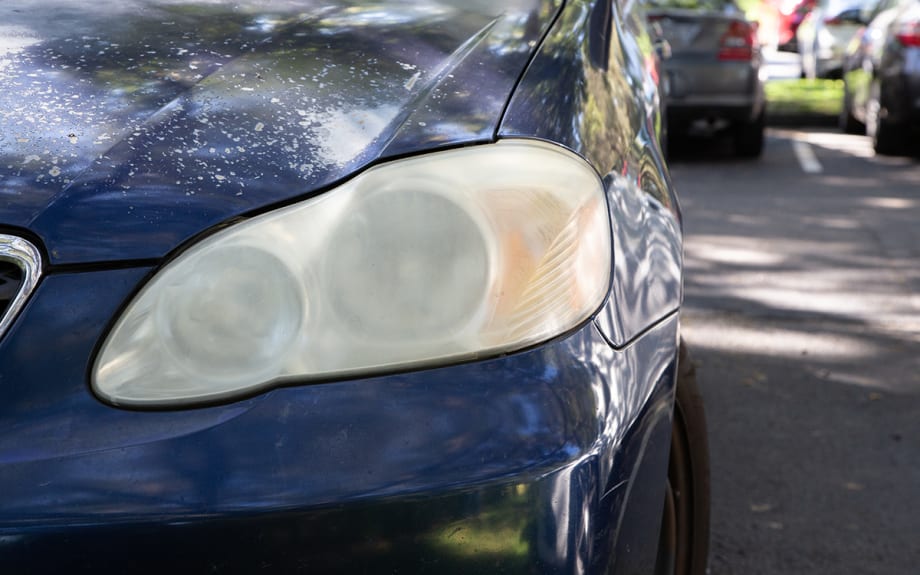
New experiments conducted by AAA found restoring and replacing deteriorated headlights can vastly improve nighttime driving safety.
Photo courtesy AAA
ORLANDO, Fla. — New research from AAA reveals that clouded or yellowed headlights generate only 20% of the amount of light that new headlights do, leading to dangerous nighttime driving conditions. This decrease is caused by sunlight damage to protective plastic coatings, resulting in discoloration that considerably diminishes the headlight’s ability to provide adequate light on dark roadways.
With 50% of crashes occurring at night, AAA urges drivers to check their headlights for signs of deterioration and invest in new headlights or, at a minimum, a low-cost service to boost the safety of driving after dark.
“Walk through any parking lot and it is evident that deteriorated headlights are a problem for most vehicle owners,” said Greg Brannon, AAA’s director of Automotive Engineering and Industry Relations. “Headlights on the road in the U.S., even when new, don’t produce a sufficient amount of lighting, so any reduction in performance is a real safety issue.”
AAA examined the impact deterioration can have on the amount of light produced by conducting research using an accredited laboratory to test headlights from two popular sedans, approximately 11 years in age. Results from the degraded headlights were measured against new headlights to quantify the amount of light produced for each. All testing was done in accordance with the Federal Motor Vehicle Safety Standard 108 as set forth by the Department of Transportation (DOT).
Research revealed that deteriorated headlights, when used on low beam, provided just 22% of the amount of light a new headlight does when operating at full capacity. AAA also examined the effects that replacing or restoring a headlight can have on improving the amount of light produced. Replacing headlights with original equipment manufacturer parts is the most effective method to restore light output back to 100%.
Aftermarket parts also performed well, restoring light output between 83% and 90%; however, these did fail to meet certain requirements for light intensity and were found to be more likely to produce glare for oncoming traffic. Restoring headlights, while the most cost-effective option, offered less of an improvement in light output than replacement. Professional and DIY restoration returned light output back to approximately 70%. Both restoration methods, however, produced more glare than is acceptable according DOT criteria.
Compounding the problem of driving with deteriorated headlights is the fact that U.S. headlights have significant shortcomings. Previous AAA research found that halogen headlights fail to safely illuminate unlit roadways at speeds as low as 40 miles per hour, with high-beam settings offering only marginal improvements. Even the most advanced headlights tested illuminated just 40% of the sight distances that the full light of day provides. By not maintaining headlights, drivers are unknowingly operating in dangerously dim conditions.
“Driving at night with headlights that produce only 20% of the light they did when new, which is already subpar, is a risk drivers shouldn’t take,” continued Brannon. “Especially when there are convenient and inexpensive solutions that can dramatically improve lighting performance.”
Originally posted on Auto Dealer Today
More Showroom
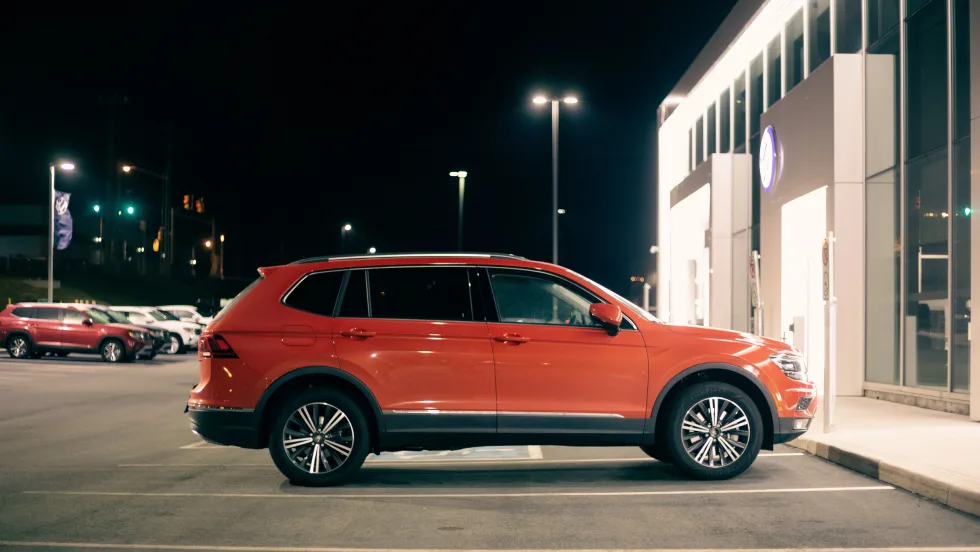
Dealers a Little Down
A third-quarter Cox Automotive survey finds them in a mixed mood, bummed by fallen customer traffic but encouraged by better profits, costs and EV interest.
Read More →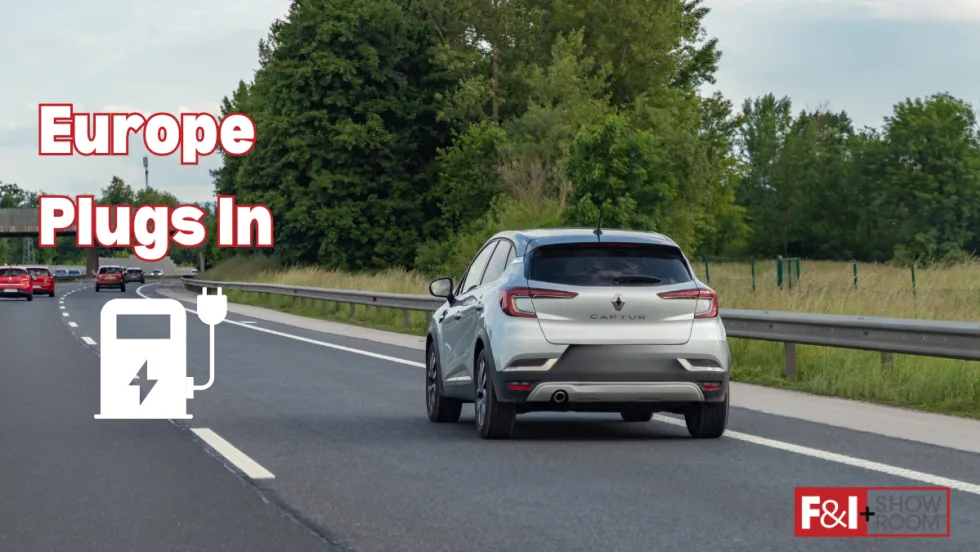
European EV Sales Skyrocket
The EV market on the continent held strong in July with almost 25% of new-car sales being fully electric units, a stark contrast to the U.S., where EV sales declined about 42%.
Read More →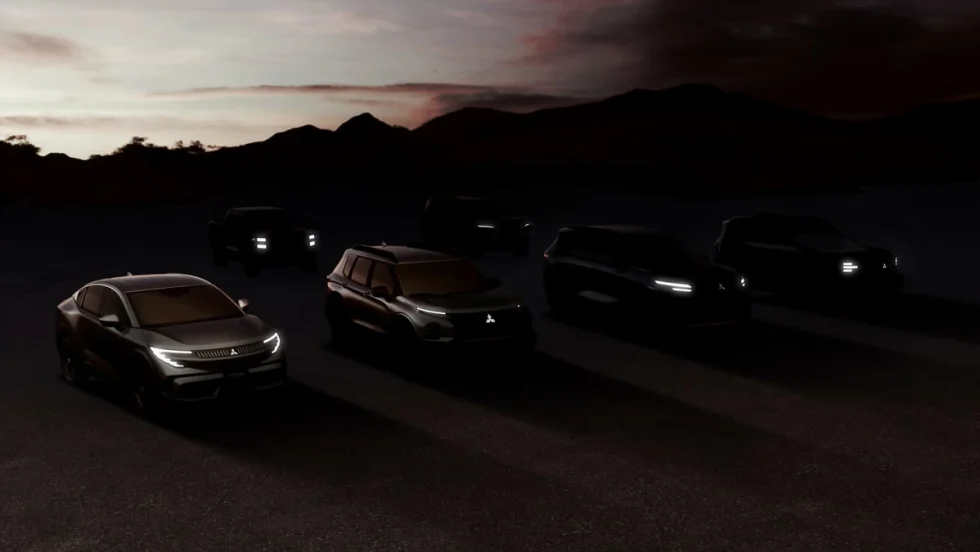
Mitsubishi Unveils U.S. Plan
The automaker announced a strategy that includes an expanded lineup and dealership presence, along with more ‘rugged’ and electric models.
Read More →
Used Lots Getting the Business
Many consumers are seeking out the units to save money, and the demand – higher in July than normal – is keeping supply limited and prices up.
Read More →
Used Market Stabilizes
The Carfax Used Car Index noted a major drop in used-vehicle price increases in July after several months of hikes.
Read More →
California Hybrids Reach State Record
The Golden State still leads the country in electric-vehicle registrations, but much like the rest of the U.S. its hybrid market share is up while full electrics stabilize after a dramatic first-quarter dip.
Read More →
My Mercedes in the U.S.
The German brand debuted its studio dealership concept for the first time in the states in Los Angeles, tapping Americans’ penchant for creative distinctions.
Read More →
Used Sales Hit Summer Drag
The vacation season, combined with high prices, has dented deliveries and added to inventories, though supply is still slim enough to keep listings elevated.
Read More →
California Launches EV Rebate Program
Participating automakers are matching the state's $13.5 million investment in new electric-vehicle rebates scheduled to take effect later this summer.
Read More →
OEM Poll Sees Industry Evolution
Kerrigan Advisors’ survey of automakers finds that tariffs, technology, network tightening and other factors are poised to reshape auto retail.
Read More →