



ACC II Adoption Can Cut Consumer Costs, Slash Emissions
Policymakers must do their part and update building codes, improve utility planning and implement clean-energy standards to fully realize ACC II benefits.

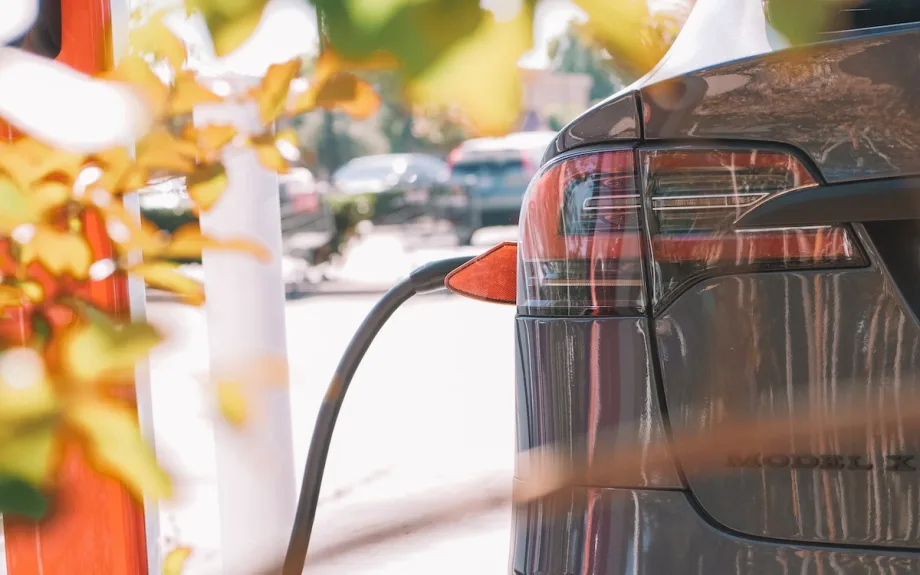
Kindel Media
California’s Advanced Clean Cars II, or ACC II, rule is expected to accelerate electric vehicle deployment, deliver hundreds of dollars in annual consumer savings, and cut U.S. greenhouse gas emissions, finds a recent Forbes article.
The publication reported that 17 states—nearly 38% of the U.S. car market—are contemplating or have already adopted ACC II standards. If all adopt ACC II standards, over 75% of U.S. cars could be EVs by 2050, according to New Energy Innovation Policy & Technology LLC modeling. The open-source Energy Policy Simulator model predicts how accelerated EV adoption might impact GHG emissions, the economy, and public health.
According to the modeling, ACC II adoption could:
Save households over $600 per year, depending on the state
Help the country avoid 1.3 billion tons of carbon pollution by 2050
Generate significant public health benefits, including preventing approximately 5,000 premature deaths from air pollution and 161,000 asthma attacks in 2050
Create nearly 300,000 additional jobs
Adopted by California in August, ACC II sets a gradually increasing requirement for sales of zero-emission vehicles up to 100% by 2035. The policy is expected to lead to nearly 100% of EV sales in any jurisdiction that applies it because of the expected lower cost of EVs compared to other ZEVs, such as plug-in hybrids and fuel cell vehicles.
Successful ACC II adoption will require states to do their part to ensure equitable access to EVs, particularly for low-income households. States also must continue to support charging infrastructure deployment, especially in underserved communities. According to the Forbes article, policymakers will need to ready their states for more EV adoption by:
Updating building codes
Improving utility planning
Implementing clean-energy standards
Originally posted on Auto Dealer Today
More Showroom

Year-to-Date Auto Sales Holding Their Own
A forecast through August shows that automakers have shifted strategies to keep deliveries and revenues up despite tariffs and other economic challenges.
Read More →
Slow to Robo
Ten years of polling consumers shows autonomous vehicles’ profiles have risen considerably, but even more people now want at least some level of control if they go that route.
Read More →
Dealers a Little Down
A third-quarter Cox Automotive survey finds them in a mixed mood, bummed by fallen customer traffic but encouraged by better profits, costs and EV interest.
Read More →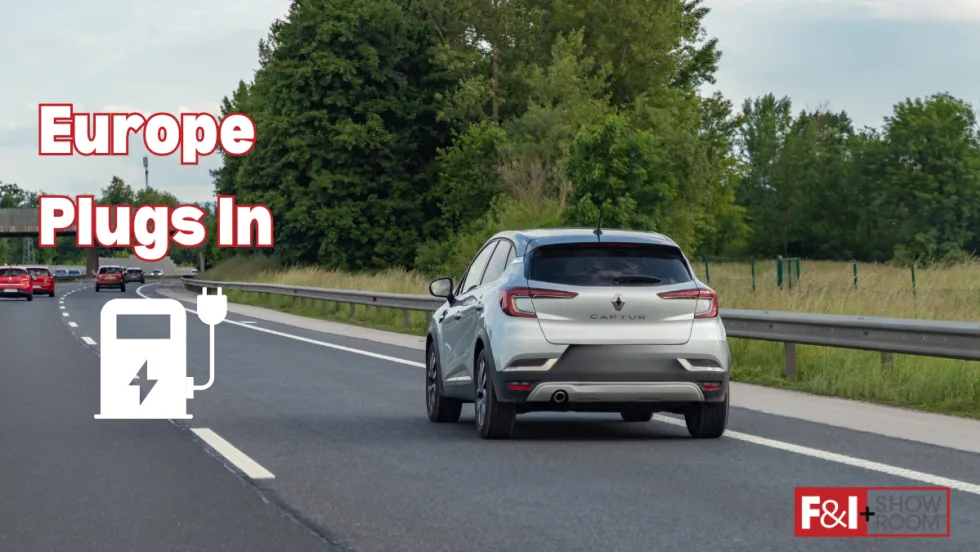
European EV Sales Skyrocket
The EV market on the continent held strong in July with almost 25% of new-car sales being fully electric units, a stark contrast to the U.S., where EV sales declined about 42%.
Read More →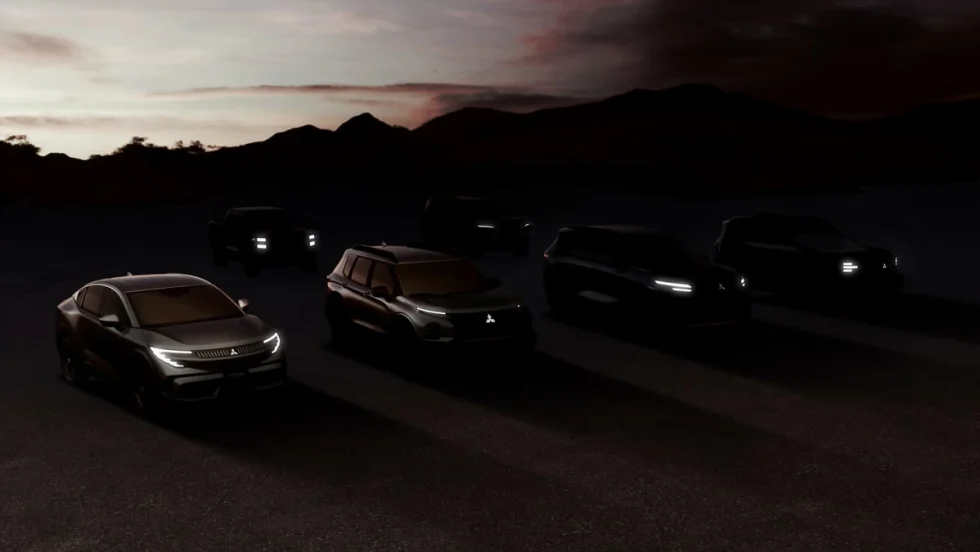
Mitsubishi Unveils U.S. Plan
The automaker announced a strategy that includes an expanded lineup and dealership presence, along with more ‘rugged’ and electric models.
Read More →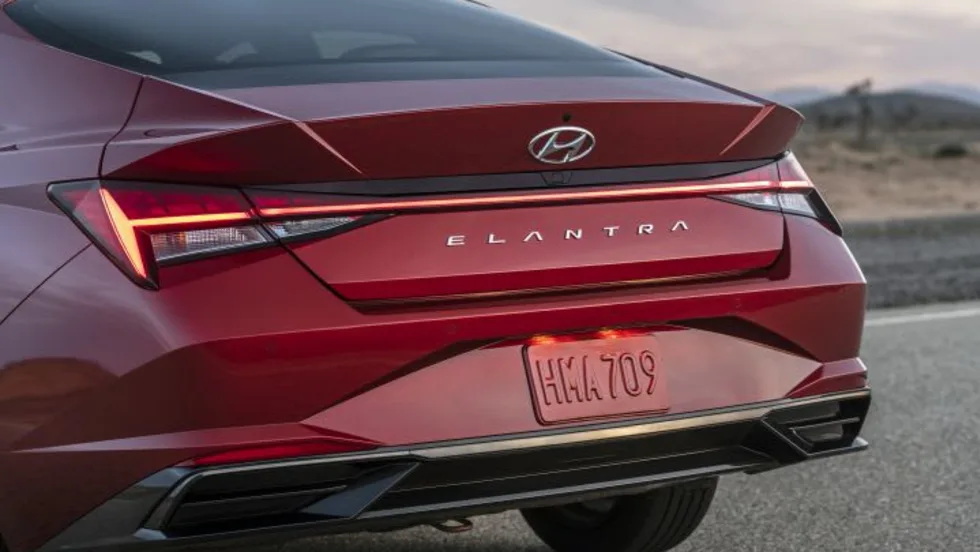
Used Lots Getting the Business
Many consumers are seeking out the units to save money, and the demand – higher in July than normal – is keeping supply limited and prices up.
Read More →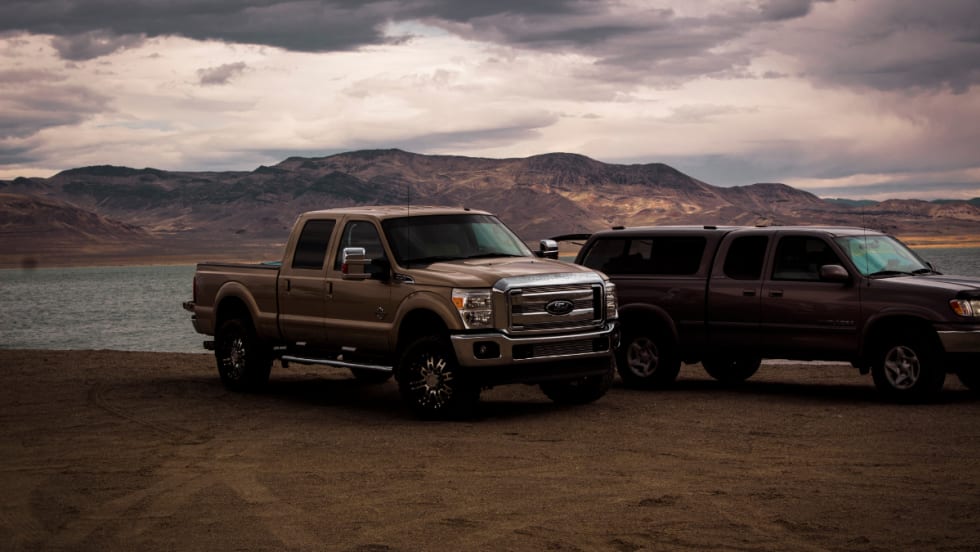
Used Market Stabilizes
The Carfax Used Car Index noted a major drop in used-vehicle price increases in July after several months of hikes.
Read More →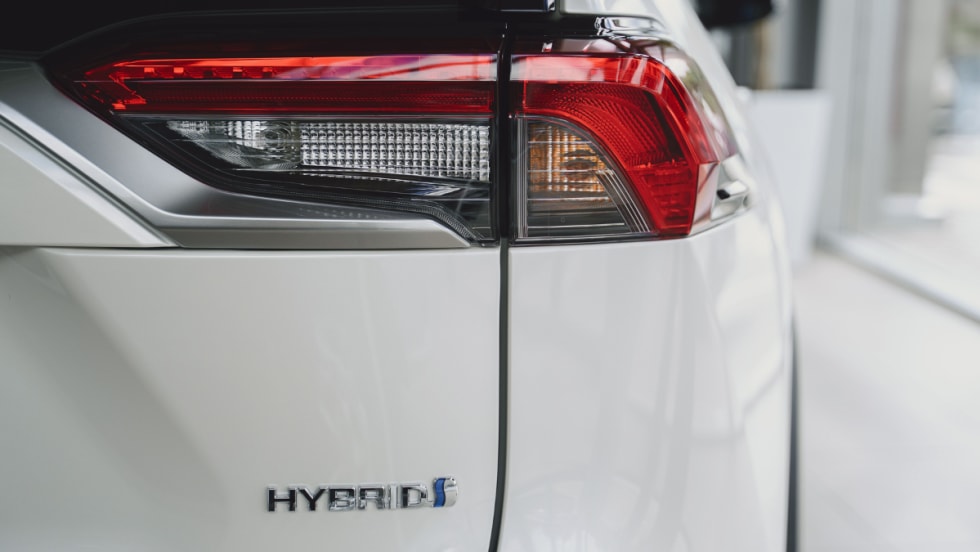
California Hybrids Reach State Record
The Golden State still leads the country in electric-vehicle registrations, but much like the rest of the U.S. its hybrid market share is up while full electrics stabilize after a dramatic first-quarter dip.
Read More →
My Mercedes in the U.S.
The German brand debuted its studio dealership concept for the first time in the states in Los Angeles, tapping Americans’ penchant for creative distinctions.
Read More →
Used Sales Hit Summer Drag
The vacation season, combined with high prices, has dented deliveries and added to inventories, though supply is still slim enough to keep listings elevated.
Read More →