



Aftermarket Sales to Drop 8.8% This Year
Total U.S. automotive aftermarket sales are forecast to decrease 8.8% in 2020 as a result of the impact of the COVID-19 pandemic and related factors.

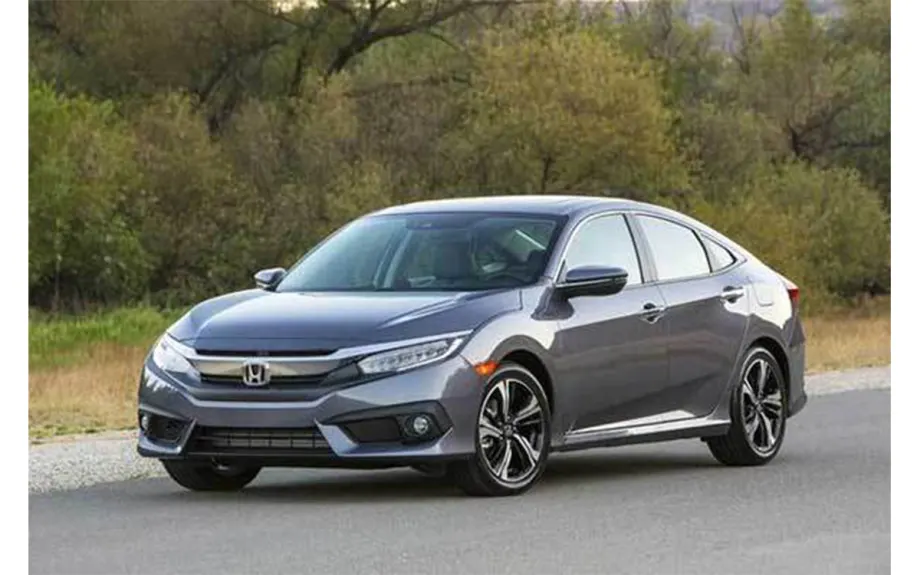
Total U.S. automotive aftermarket sales are forecast to decrease 8.8% in 2020 as a result of the impact of the COVID-19 pandemic and related factor.
Image courtesy of Autotrader
Total U.S. automotive aftermarket sales are forecast to decrease 8.8% in 2020 as a result of the impact of the COVID-19 pandemic and related factors, according to the 2020 Joint Channel Forecast Model produced jointly by the Auto Care Association and the Automotive Aftermarket Suppliers Association (AASA). But a rebound is expected to take place next year.
The foundation of our industry’s key drivers remains strong.
“Despite the ongoing COVID-19 pandemic, the Joint Channel Forecast shows that the continued strength and resilience of the automotive aftermarket will lead to a brighter 2021,” said Paul McCarthy, AASA president and COO. "The foundation of our industry’s key drivers remains strong. Miles driven continue to rise as global economies reopen, new technologies continue to emerge, and the desire to be with friends and family will propel further car usage.
“We are still facing a lot of challenges, but this forecast confirms the essential attractiveness of the aftermarket. The aftermarket supplier community is continuing to work hard to try and support our customers and our essential industry, which, despite the crisis, remains a vibrant contributor to our economy.”
“As industry businesses assess the impact and look to navigate the road ahead, there are a few certainties that provide a silver lining: DIY and e-commerce are growing during the pandemic, and early indicators show that the average age of vehicles on the road will continue to rise as consumers hold on to their aging vehicles during economic uncertainty,” says Bill Hanvey, president and CEO, Auto Care Association.
“Juxtaposing the data surrounding this event with other crises and observing these indicators further reinforce this industry’s tremendous ability to bounce back from downturns and in many cases, take advantage of new opportunities presented to us through technology.”
The market sizing and forecast is conducted on behalf of the Auto Care Association and AASA by IHS Markit, a leading business intelligence firm. The forecast is based on the U.S. Census Bureau’s Economic Census, IMR Inc., and proprietary economic analysis and forecasting models from IHS Markit.
More Showroom

New Cars Less Affordable
Buying conditions eroded for American shoppers last month due to inflation and interest rates, though they fared better than a year ago.

October Sales Divided
Inventory trends split between the new- and used-vehicle markets, though prices continued to rise for both in October.
Auto Transaction Prices Hit New Height
October sales of big, pricey models push up the average, even as budget-conscious consumers snag more economical options.

Making the Safe Choice
Kelley Blue Book has turned households with teen drivers onto safe and affordable options for their vehicles of choice
Inventory Holds Steady
September new-vehicle inventory rose slightly month-over-month, but dealer lots are laden with MY2026 vehicles as the typical model year changeover trudges along.

October Auto Sales Fall With the Leaves
A forecast anticipates retail deliveries are down this month as consumers continue to face cost challenges, though more are tapping long loans in order to buy.
California Sees Quarterly Gains
California’s new-vehicle market saw a boost in hybrids in the third quarter and its first overall quarterly market gain of the year.
New-Vehicle Prices Stay Put
Affordability pressures and model availability shaped new-vehicle sales in September, according to an analysis by Kelley Blue Book.
EV Buyer Consideration Shifts
What drives American consumers to purchase an electric vehicle is shifting as the question moves away from Should I?' to 'Which features and experience do I want to have?'

Year-to-Date Auto Sales Holding Their Own
A forecast through August shows that automakers have shifted strategies to keep deliveries and revenues up despite tariffs and other economic challenges.