



Audi SQIL Program Boosts Vehicle Quality
The SQIL strategy focuses on building up supplier capabilities versus finding new sourcing, punitive fines, and enhanced surveillance when suppliers don’t deliver.

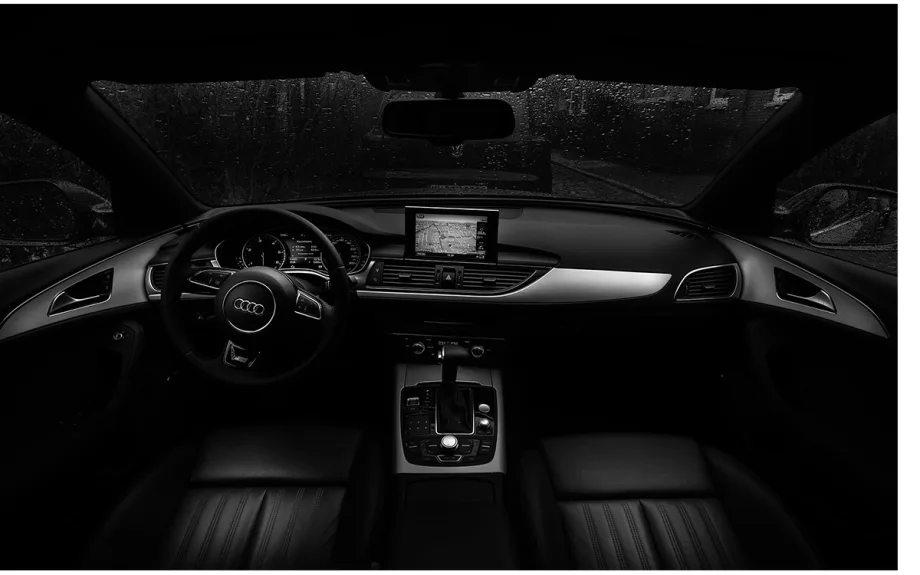
The SQIL strategy focuses on building up supplier capabilities versus finding new sourcing, punitive fines, and enhanced surveillance when suppliers don’t deliver.
When potential buyers look for a car, their top consideration is quality. These buyers turn to product comparisons on Consumer Reports or J.D. Power to inform them of reliability, safety, repair costs, warranty coverage and recalls for vehicle brands and models.
The automaker that wants to succeed must drive its quality scores higher than the others.
The automaker that wants to succeed must drive its quality scores higher than the others. This has long been a challenge for Audi and the Volkswagen Group, but the tides have changed.
In 2015, Audi and Volkswagen launched the Software Quality Improvement Leader (SQIL) program. With this program, a troubled supplier uses an objective measure from the Automotive SPICE® to hire an independent company to oversee ongoing improvements until it reaches an independent goal. Suppliers base improvements upon best practices known to boost quality while also lowering costs.
Volkswagen and Audio are seeing early returns on this effort. The automaker lowered recalls in 2019 and 2020. In July 2020, MotorBiscuit stated that “Audi vehicles are [now] known for being very dependable and safe.” And in 2019, J.D. Power remarked Audi had made “notable strides in reliability.”
This marks a significant improvement from 2014 to 2018 when the Volkswagen Group bore the distinction of having the fifth most recalls of any manufacturer. During that same period, the J.D. Power Initial Quality Study listed Volkswagen and Audi in the bottom 10 brands. And, in 2016, Popular Mechanics ranked Audi as the 5th most expensive vehicle brand because of high repair costs and repair frequencies.
The transformational SQIL strategy is a departure from the strategies of other automakers that find new sources of supply, levy punitive fines, and boost surveillance when suppliers don’t deliver.
These automakers often eliminate dysfunctional suppliers completely, leaving them with a singular vendor to supply a specific part or raw material. But a singular source enhances a company’s risk in a disruptive market and can lead to higher long-term pricing.
Switching to new suppliers can carry a hefty price tag. Supplier conversions require investments in costly and complex electronic platforms with over a billion lines of code.
Punitive fines punish suppliers for low quality, late shipments, etc., but rarely lead to lasting change. Reward systems drive better results. Tom Knoll, Deere & Co.’s Vice President of Worldwide Management and Logistics, told IndustryWeek that programs, like the company’s Achieving Excellence effort, boost reliability. The company’s reward system categorizes vendors as “approved supplier, key supplier, or partner” and rewards high performers with more business, Knoll reported.
Surveillance measures dispatch internal agents to supplier facilities to audit their processes and review recommended action items. The negative result of these measures are clandestine operations where suppliers work hard to hide risky behaviors and shift more resources to the competition.
The SQIL program maintains partnerships in a very disrupted industry and directs money toward better efficiency and improved products.
Originally posted on Auto Dealer Today
More Showroom

California Sees Quarterly Gains
California’s new-vehicle market saw a boost in hybrids in the third quarter and its first overall quarterly market gain of the year.
Read More →
New-Vehicle Prices Stay Put
Affordability pressures and model availability shaped new-vehicle sales in September, according to an analysis by Kelley Blue Book.
Read More →
EV Buyer Consideration Shifts
What drives American consumers to purchase an electric vehicle is shifting as the question moves away from Should I?' to 'Which features and experience do I want to have?'
Read More →
Year-to-Date Auto Sales Holding Their Own
A forecast through August shows that automakers have shifted strategies to keep deliveries and revenues up despite tariffs and other economic challenges.
Read More →
Slow to Robo
Ten years of polling consumers shows autonomous vehicles’ profiles have risen considerably, but even more people now want at least some level of control if they go that route.
Read More →
Dealers a Little Down
A third-quarter Cox Automotive survey finds them in a mixed mood, bummed by fallen customer traffic but encouraged by better profits, costs and EV interest.
Read More →
European EV Sales Skyrocket
The EV market on the continent held strong in July with almost 25% of new-car sales being fully electric units, a stark contrast to the U.S., where EV sales declined about 42%.
Read More →
Mitsubishi Unveils U.S. Plan
The automaker announced a strategy that includes an expanded lineup and dealership presence, along with more ‘rugged’ and electric models.
Read More →
Used Lots Getting the Business
Many consumers are seeking out the units to save money, and the demand – higher in July than normal – is keeping supply limited and prices up.
Read More →
Used Market Stabilizes
The Carfax Used Car Index noted a major drop in used-vehicle price increases in July after several months of hikes.
Read More →