



Auto Industry Readies for Magnesium Shortage
Parts manufacturers rely on magnesium from China to help reduce vehicle weights. But China’s current magnesium output is at 50% of normal levels.

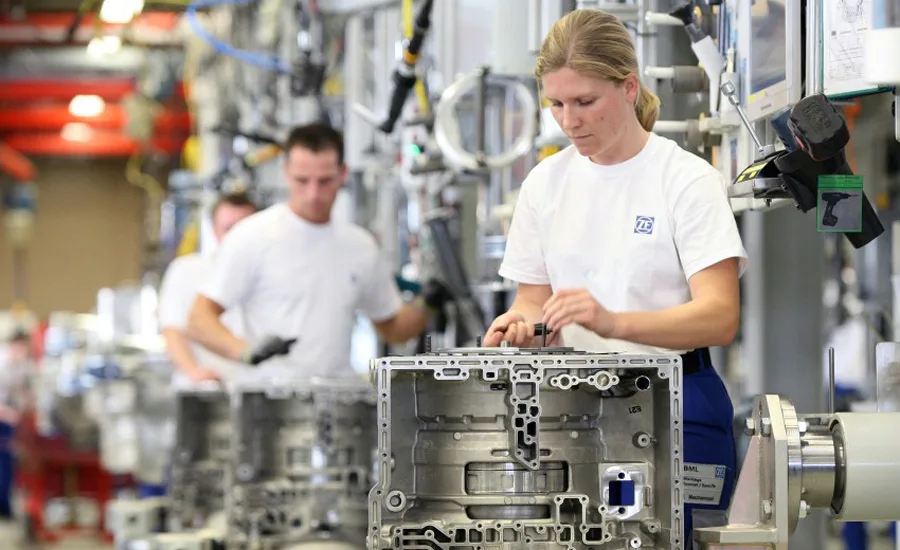
ZF, a German parts supplier than uses magnesium for gearboxes and steering wheels, reported it is seeking sources of magnesium in other countries.
ZF
Vehicle parts suppliers and auto industry associations warn that if China’s production of magnesium does not pick up soon, a significant shortage of magnesium could result.
China's magnesium output is currently at 50% of normal levels, industry sources report. Soaring coal prices and energy rationing in the country has forced smelters to cut or shut down operations.
Though the shortage will not impact auto manufacturers directly, parts manufacturers will be greatly affected. Parts manufacturers rely on magnesium, by itself or in combination with aluminum, to help reduce vehicle weights.
The shortage also impacts the push for electric vehicles (EVs). Lighter weight vehicles extend the range of EVs, which is crucial to help the Biden Administration increase EV adoption.
The ongoing semiconductor chip shortage has already extended delivery times for new cars, sometimes up to a year. Delivery times could further extend with a magnesium shortfall, claim auto industry sources.
Stellantis and BMW reported they do not see an imminent problem with magnesium supplies. Others in say their inventories and the magnesium already in transit will see them through to early 2022.
But Volkswagen's head of purchasing in an earnings call predicted a shortage. “We cannot forecast right now if the shortage on magnesium, which will definitely happen according to planning, will be bigger than the semiconductor shortage,” Volkswagen's Murat Aksel said.
ZF, a German parts supplier than uses magnesium for gearboxes and steering wheels, reported it is seeking sources of magnesium in other countries, but stressed offsetting the loss of Chinese supply will be limited given the size of the country’s market share.
China has allowed some magnesium producers to resume output. But experts say these efforts are insufficient to significantly ease the shortage. Magnesium prices have come down after hitting record highs, but remain more than double the cost in January.
Originally posted on Auto Dealer Today
More Showroom

New Cars Less Affordable
Buying conditions eroded for American shoppers last month due to inflation and interest rates, though they fared better than a year ago.

October Sales Divided
Inventory trends split between the new- and used-vehicle markets, though prices continued to rise for both in October.
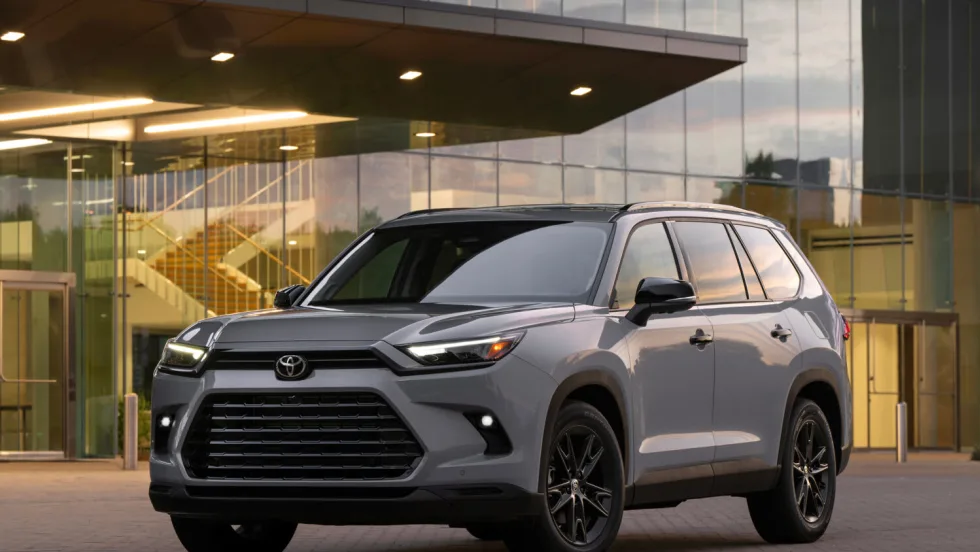
Auto Transaction Prices Hit New Height
October sales of big, pricey models push up the average, even as budget-conscious consumers snag more economical options.

Making the Safe Choice
Kelley Blue Book has turned households with teen drivers onto safe and affordable options for their vehicles of choice
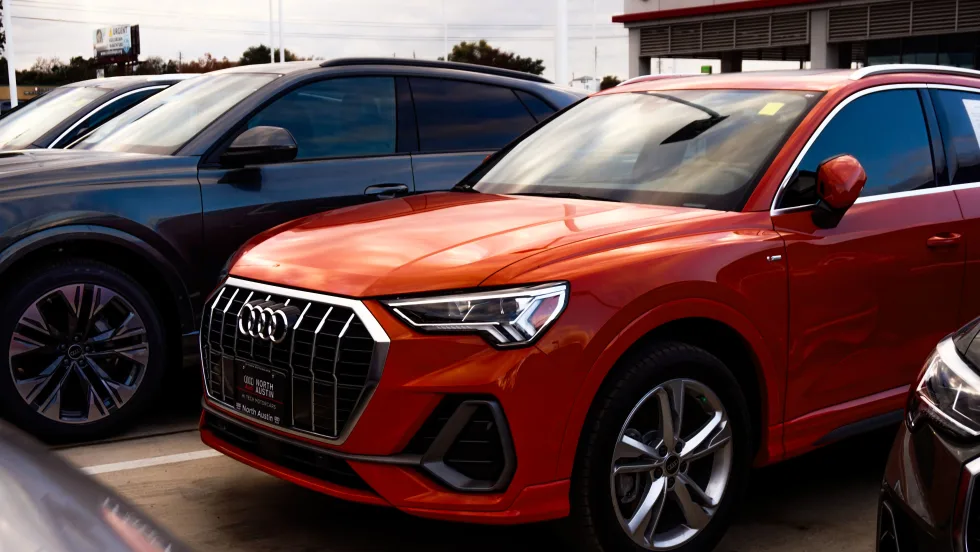
Inventory Holds Steady
September new-vehicle inventory rose slightly month-over-month, but dealer lots are laden with MY2026 vehicles as the typical model year changeover trudges along.

October Auto Sales Fall With the Leaves
A forecast anticipates retail deliveries are down this month as consumers continue to face cost challenges, though more are tapping long loans in order to buy.

California Sees Quarterly Gains
California’s new-vehicle market saw a boost in hybrids in the third quarter and its first overall quarterly market gain of the year.

New-Vehicle Prices Stay Put
Affordability pressures and model availability shaped new-vehicle sales in September, according to an analysis by Kelley Blue Book.
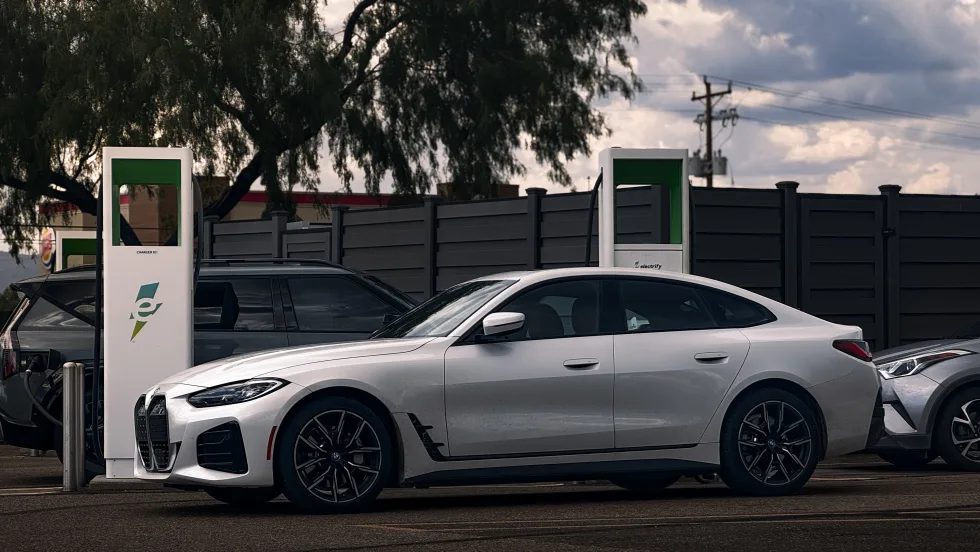
EV Buyer Consideration Shifts
What drives American consumers to purchase an electric vehicle is shifting as the question moves away from Should I?' to 'Which features and experience do I want to have?'

Year-to-Date Auto Sales Holding Their Own
A forecast through August shows that automakers have shifted strategies to keep deliveries and revenues up despite tariffs and other economic challenges.