



Auto Workforce Impacted by Skills Gaps
The transition to electric vehicles has impacted the automotive workforce in many ways, including the need for education and skills training on emerging technologies.

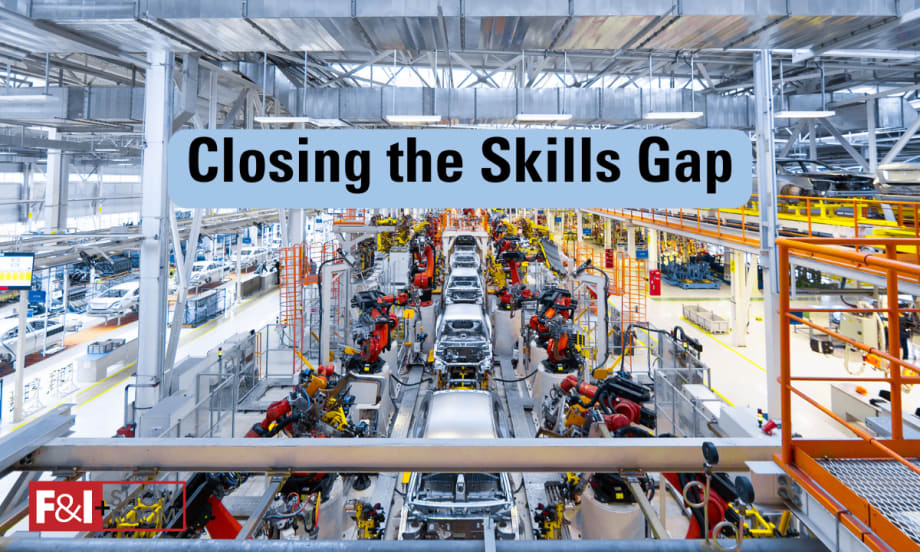
Digital and soft skills were noted as critical needs among current automotive industry employees.
Canva
Employers across Michigan’s automotive workforce are preparing for future skills gap challenges as the industry continues to shift to meet consumer demands while facing global competition.
The window into staffing needs in the heart of U.S. automotive manufacturing may be a mirror of nationwide conditions.
The Michigan Automotive Workforce Needs Assessment conducted by the Center for Automotive Research found that 29% of the state's employers expect significant or extensive skills gaps in the next one to three years. Employers in downstream businesses, like vehicle and parts sales, repair and maintenance, and logistics, reported the highest expectations for future skills gaps.
The transition to electric vehicles was ranked as one of the biggest impacts on the workforce, most respondents saying it currently poses challenges, but many said they're hopeful that in the future it would create more opportunities than challenges.
Digital and soft skills were noted as critical needs among current employees, as well as a demand for a diverse set of skills, including advanced software and programming, automation and robotics operation, and vehicle diagnostics and repair.
When it came to hiring, 43% of businesses reported moderate skills gaps when bringing on employees, the downstream sector reporting the largest share of significant upskilling needs.
The top role in demand across all sectors is general technicians. Respondents emphasized the need for stronger industry-education alignment and support for technical programs and training that is up-to-date with emerging technologies.
More Industry
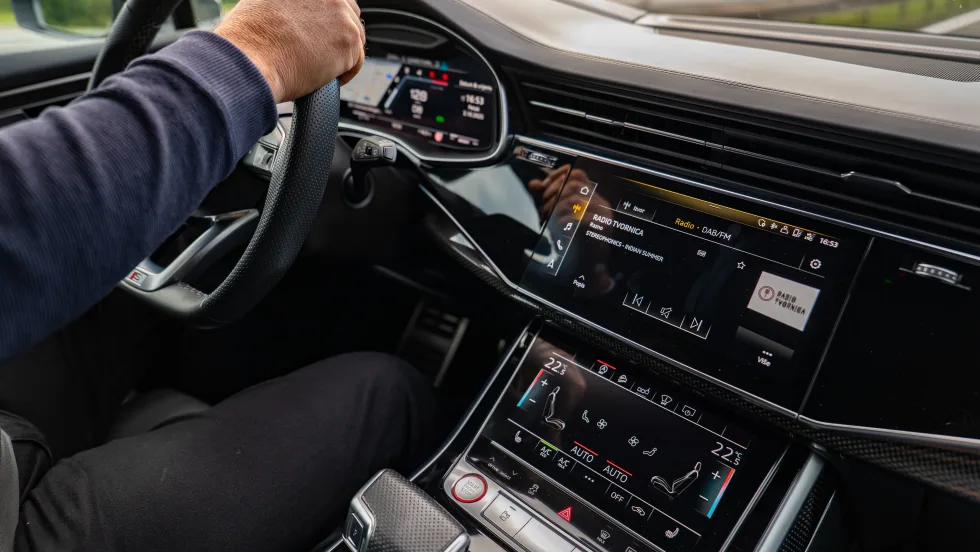
Connection Drives Consideration
Convenience and safety are top priorities for American drivers when it comes to connected vehicles and the services they expect with their next car.
Read More →
New-Vehicle Prices Stay Put
Affordability pressures and model availability shaped new-vehicle sales in September, according to an analysis by Kelley Blue Book.
Read More →
EV Buyer Consideration Shifts
What drives American consumers to purchase an electric vehicle is shifting as the question moves away from Should I?' to 'Which features and experience do I want to have?'
Read More →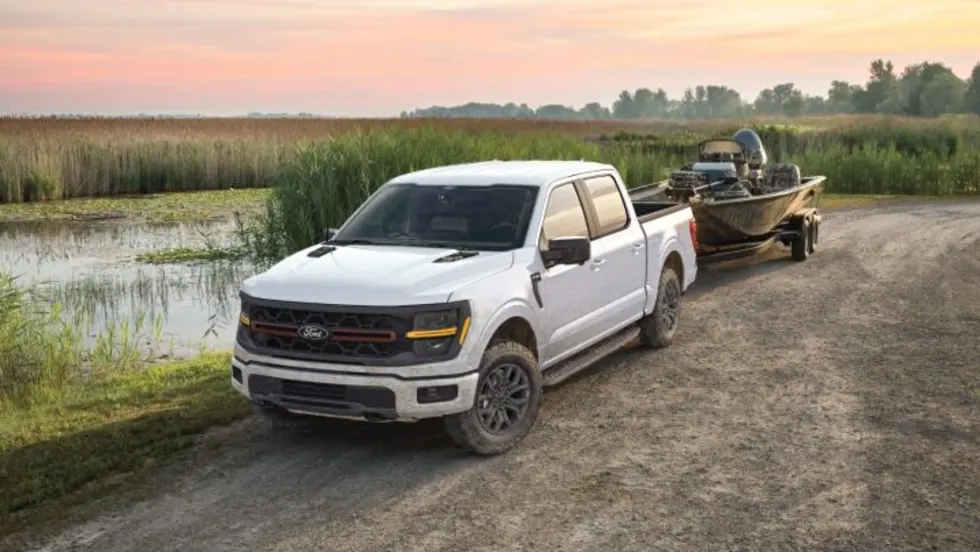
Auto Nameplate Loyalty Holds in Tough Times
Consumers have been faithful to brands despite financial pressures, and JD Power says that’s because automakers have made some wise moves.
Read More →
Top New Jersey RV Store Sells
Myer’s RV Superstore is expanding its footprint in the state with two new locations that it acquired from Ed Hutchinson Jr.
Read More →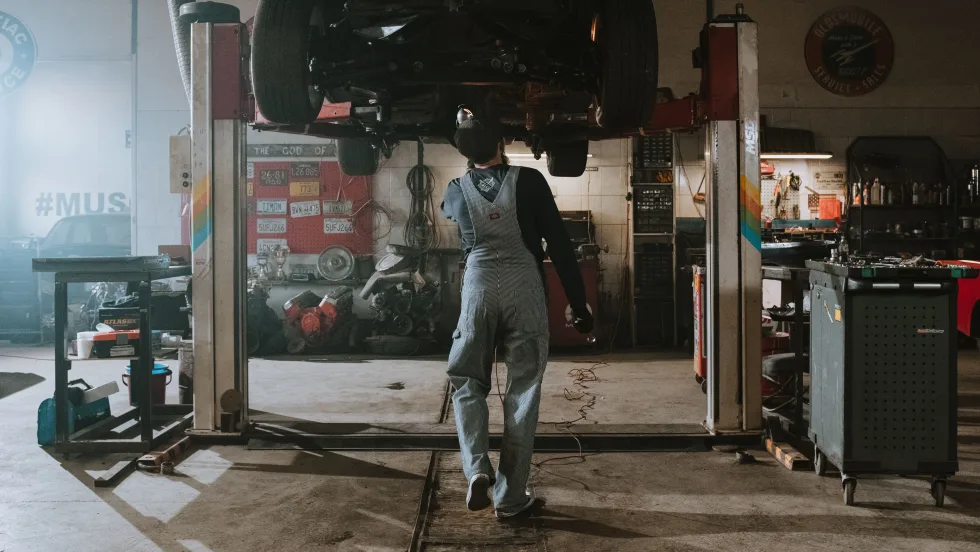
Alliance Analyzes Technician Pipeline
A new industry report examines the state of skilled trades in the U.S. and details the drivers of demand for automotive repair and how technicians enter and grow in the workforce.
Read More →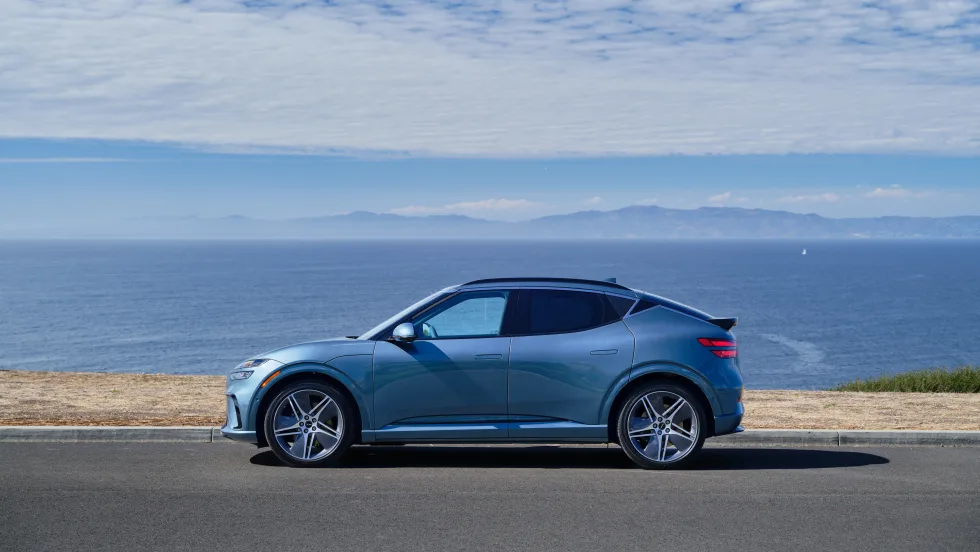
Luxury Rooftop Changes Hands
Genesis of Glenview is getting a new owner and a new location, but its name will stay the same.
Read More →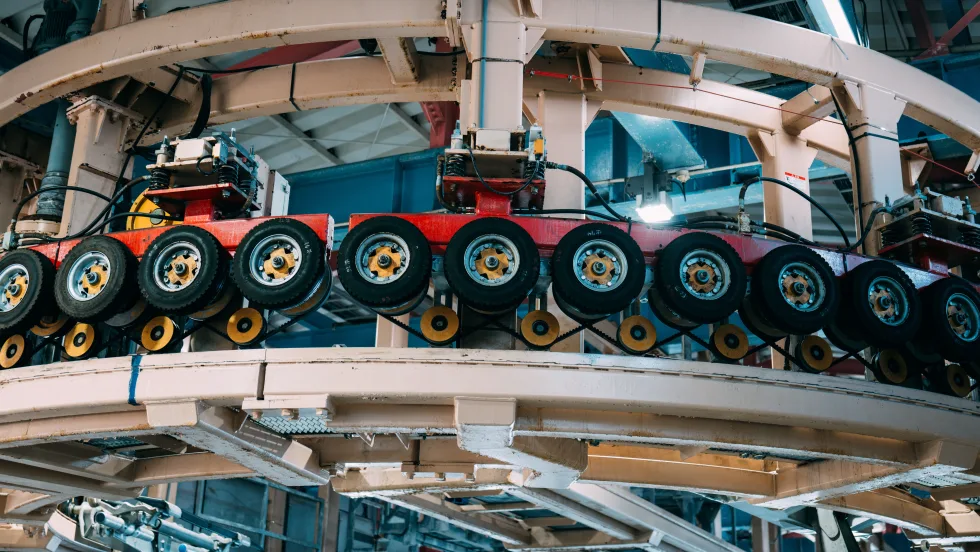
Future-Proof Your Business
A new industry outlook details several ways that automotive companies can use the rise in artificial intelligence and advanced technologies to their advantage.
Read More →
Dealership Buy-Sells Keep Going Up
First-half transactions reflect continued high appetite for acquisitions despite falling profits, the most sought-after franchises bringing record prices.
Read More →
California Makes Electric Moves
New laws in the Golden State aim to advance consumer access to public electric-vehicle chargers and reduce costs and barriers to its infrastructure.
Read More →