



Biden Administration Defers Credit Awards for EVs
Sources cite EPA concerns over finalizing the intricacies of the EV portion of ruling by the June 14 deadline.

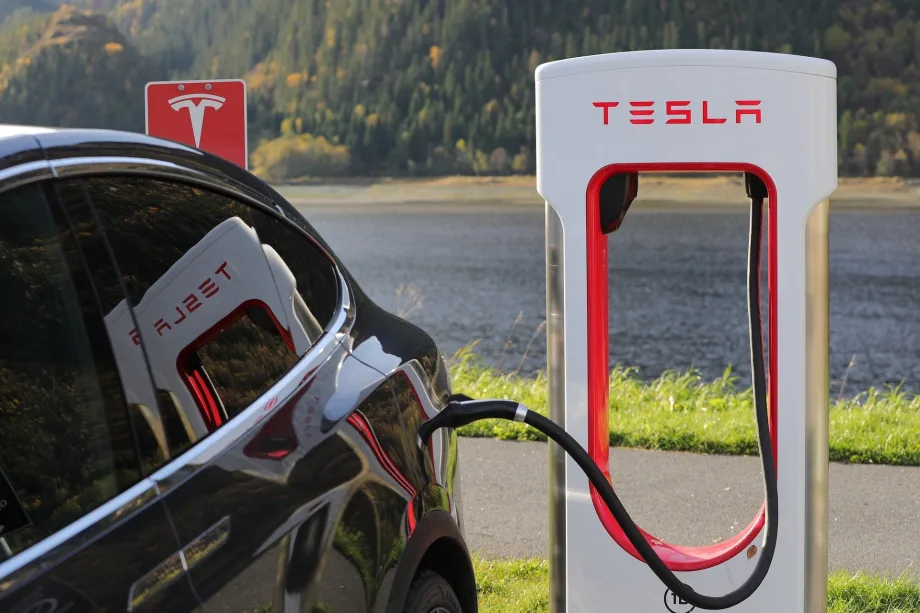
Tesla, Rivian Automotive Inc., and the Zero Emissions Transportation Association argue the proposed plan aligns with President Biden's objectives of decarbonizing the transportation sector.
Image by Blomst from Pixabay
The Biden Administration has shelved a proposal that would have provided automakers, including Tesla Inc., with credits for utilizing renewable natural gas to fuel electric vehicles.
According to insiders familiar with the matter, the administration omitted the plan from the draft regulation outlining biofuel-blending quotas for the next three years. The individuals spoke to Bloomberg anonymously, as the decision has not been made public.
Under the proposed initiative, automakers would have been incorporated into the existing 18-year-old Renewable Fuel Standard, which mandates refiners to blend biofuels into gasoline and diesel. EV makers would have been eligible to receive new, tradable credits by using electricity derived from natural gas sourced from landfills or farms.
Maria Michalos, spokesperson for the Environmental Protection Agency, declined to comment on the matter for the Bloomberg article, citing ongoing interagency review of the proposed rule. The draft regulation could still undergo modifications before its formal release, according to the EPA.
The sources noted EPA officials are concerned with completing the EV initiative by the court-ordered deadline of June 14. As a result, they reportedly informed stakeholders they plan to pursue the EV measure separately later this year.
Tesla, Rivian, and the Zero Emissions Transportation Association have lobbied the EPA in support of the plan. They say it aligns with Biden's objectives of decarbonizing the transportation sector. However, the proposal has encountered opposition from refiners, renewable fuel producers, and some lawmakers who assert it violates federal law.
The EV initiative is aimed to provide additional federal support for zero-emission vehicles, supplementing the expanded tax credits introduced in last year's climate legislation and the stringent proposed limits on tailpipe emissions.
The support would have come as tradeable credits known as "renewable identification numbers," or RINs, which refiners use to show compliance with annual biofuel-blending quotas. While the credits are typically generated by gallon of biofuel, the EPA's plan would have allowed automakers to acquire RINs when using electricity from specific renewable sources to power EVs.
Critics of the proposal, including owners of truck stops and charging stations, argue granting RINs to automakers would further stimulate EV production without adequately incentivizing investment in charging infrastructure and biogas-to-electricity projects. Fuel refiners also contend the EPA lacks the authority to establish a new biofuel credit linked to electricity.
Originally posted on Auto Dealer Today
More Showroom
New-Vehicle Prices Stay Put
Affordability pressures and model availability shaped new-vehicle sales in September, according to an analysis by Kelley Blue Book.
Read More →
EV Buyer Consideration Shifts
What drives American consumers to purchase an electric vehicle is shifting as the question moves away from Should I?' to 'Which features and experience do I want to have?'
Read More →
Year-to-Date Auto Sales Holding Their Own
A forecast through August shows that automakers have shifted strategies to keep deliveries and revenues up despite tariffs and other economic challenges.
Read More →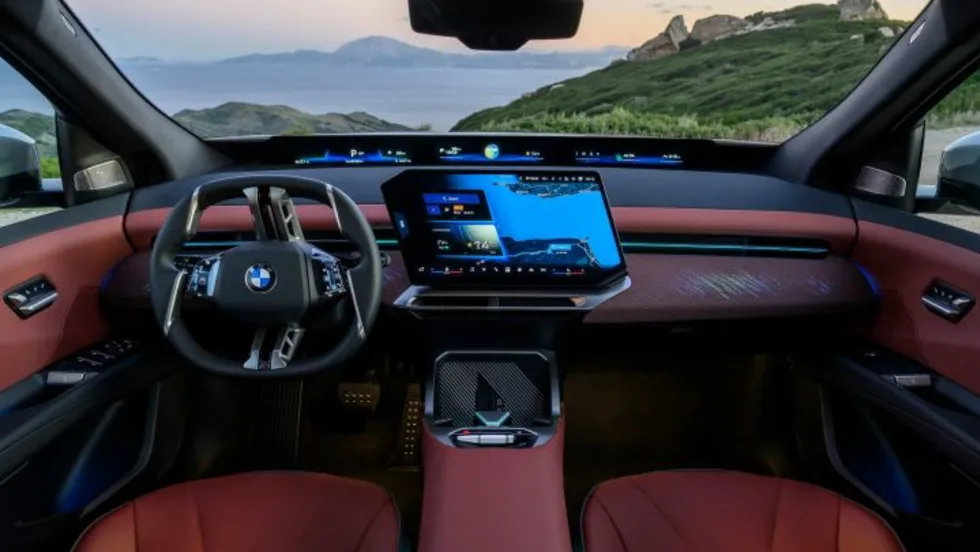
Slow to Robo
Ten years of polling consumers shows autonomous vehicles’ profiles have risen considerably, but even more people now want at least some level of control if they go that route.
Read More →
Dealers a Little Down
A third-quarter Cox Automotive survey finds them in a mixed mood, bummed by fallen customer traffic but encouraged by better profits, costs and EV interest.
Read More →
European EV Sales Skyrocket
The EV market on the continent held strong in July with almost 25% of new-car sales being fully electric units, a stark contrast to the U.S., where EV sales declined about 42%.
Read More →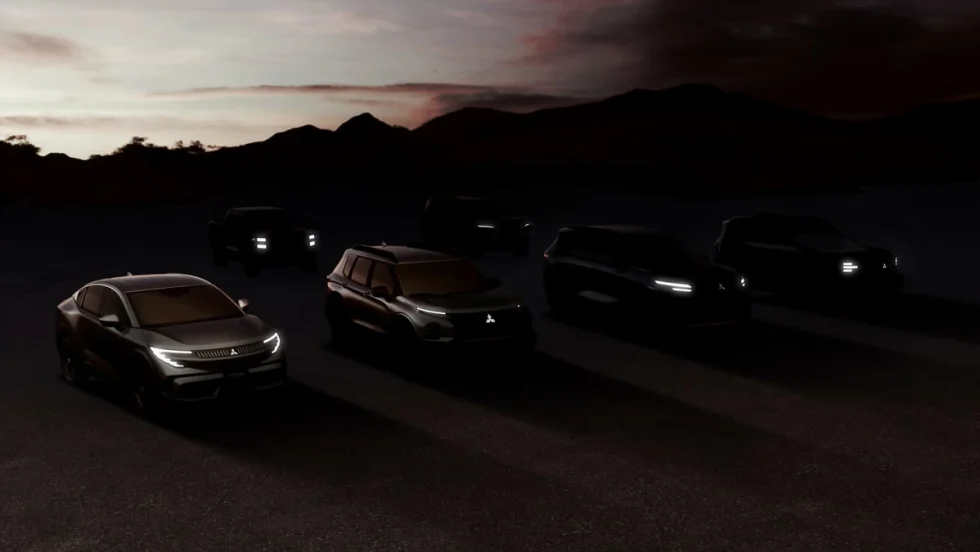
Mitsubishi Unveils U.S. Plan
The automaker announced a strategy that includes an expanded lineup and dealership presence, along with more ‘rugged’ and electric models.
Read More →
Used Lots Getting the Business
Many consumers are seeking out the units to save money, and the demand – higher in July than normal – is keeping supply limited and prices up.
Read More →
Used Market Stabilizes
The Carfax Used Car Index noted a major drop in used-vehicle price increases in July after several months of hikes.
Read More →
California Hybrids Reach State Record
The Golden State still leads the country in electric-vehicle registrations, but much like the rest of the U.S. its hybrid market share is up while full electrics stabilize after a dramatic first-quarter dip.
Read More →