



Biden Administration Protects California Vehicle Emission Rules
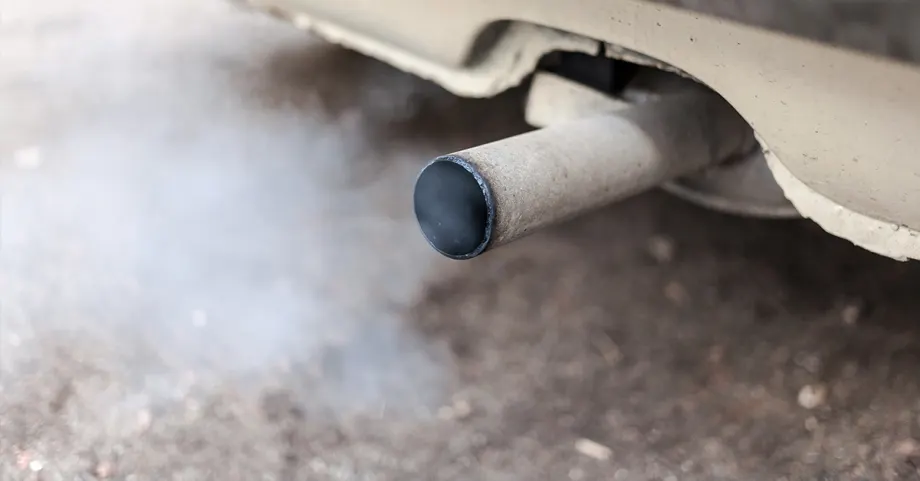
The Biden administration has reversed a rule issued under U.S. President Donald Trump that sought to quash California's vehicle emissions regulations.

Creative Commons
The Biden administration has reversed a rule issued under U.S. President Donald Trump that sought to quash California's vehicle emissions regulations.
The Department of Transportation told Reuters it is issuing final rules rescinding Trump’s action to bar California from setting vehicle rules that conflict with the federal government's authority to set Corporate Average Fuel Economy (CAFE) requirements.
California’s program, in place since 1975, sets vehicle fuel efficiency requirements.
"States can now pursue solutions to address the climate crisis and environmental challenges in their communities," Transportation Secretary Pete Buttigieg said in a statement.
The ruling comes after approximately two dozen U.S. states sued to block a pair of Trump actions that would have removed California from vehicle emissions regulations, while major automakers had backed the effort. After Biden become president in January, General Motors Co. switched gears and refused to block the Trump Administration’s efforts.
The U.S. Environmental Protection Agency (EPA) also has moved to reverse the Trump Administration's 2019 decision to withdraw California's authority to set vehicle emissions rules and set zero-emission vehicle mandates.
The EPA in 2013 granted California a waiver for its tailpipe greenhouse gas emissions and zero-emission vehicle regulations. Fourteen states have since adopted California's vehicle-emission rules and 11 have adopted its zero-emission vehicle mandates.
The EPA has finalized new vehicle emissions requirements through 2026 that reverse Trump's rollback of emission cuts and will propel the U.S. shift to electric vehicles (EVs). These mandates will reduce U.S. gasoline consumption by 15% through 2050, according to the EPA.
The EPA rules will mean the average new car or truck will achieve 40 miles per gallon by 2026, versus 38 mpg under the August proposal and 32 mpg under the Trump rules.
Biden is pushing that 50% of all new vehicles sold in 2030 be EV or plug-in hybrid models. He has not endorsed California's plan to phase out new gasoline-powered light-duty vehicles by 2035.
The Transportation Department is expected to complete its rewrite of CAFE standards in 2022.
Originally posted on Auto Dealer Today
More Showroom

New Cars Less Affordable
Buying conditions eroded for American shoppers last month due to inflation and interest rates, though they fared better than a year ago.
October Sales Divided
Inventory trends split between the new- and used-vehicle markets, though prices continued to rise for both in October.
Auto Transaction Prices Hit New Height
October sales of big, pricey models push up the average, even as budget-conscious consumers snag more economical options.
Making the Safe Choice
Kelley Blue Book has turned households with teen drivers onto safe and affordable options for their vehicles of choice
Inventory Holds Steady
September new-vehicle inventory rose slightly month-over-month, but dealer lots are laden with MY2026 vehicles as the typical model year changeover trudges along.
October Auto Sales Fall With the Leaves
A forecast anticipates retail deliveries are down this month as consumers continue to face cost challenges, though more are tapping long loans in order to buy.
California Sees Quarterly Gains
California’s new-vehicle market saw a boost in hybrids in the third quarter and its first overall quarterly market gain of the year.

New-Vehicle Prices Stay Put
Affordability pressures and model availability shaped new-vehicle sales in September, according to an analysis by Kelley Blue Book.

EV Buyer Consideration Shifts
What drives American consumers to purchase an electric vehicle is shifting as the question moves away from Should I?' to 'Which features and experience do I want to have?'

Year-to-Date Auto Sales Holding Their Own
A forecast through August shows that automakers have shifted strategies to keep deliveries and revenues up despite tariffs and other economic challenges.